Top Ball Valve Manufacturers in China for Global Buyers
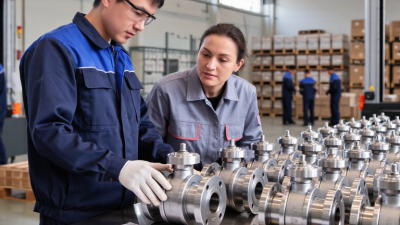
China’s ball valve manufacturers serve buyers across energy, water treatment, chemical processing, HVAC, and general industry. Their catalogs may look similar, yet small design choices matter: a full-bore opening, a stainless-steel body, a fire-safe design, or a specific seat material can change performance. Buyers comparing suppliers should check more than price and production capacity. Ask for material traceability, pressure and temperature ratings, test records, and clear answers about custom requirements. Details matter.
This guide examines leading Chinese manufacturers through practical purchasing questions: What products do they make? Which industries do they serve? How do they document quality, and can they support inspection before shipment? A useful comparison also considers communication, lead times, spare parts, and the exact standards named in the quotation. A polished catalog is not proof of consistent production. Request current documents and confirm that they match the quoted model. For dependable expertise, an attributed quotation should come from a verified interview or source; none was supplied for this introduction, so no expert’s words are invented here. The aim is a clearer shortlist, not a one-size-fits-all winner. A ball valve suited to clean water may be wrong for abrasive slurry or high-temperature service. Check the application carefully.
Ball Valve Fundamentals: 90° Operation, Bore Types, and Applications
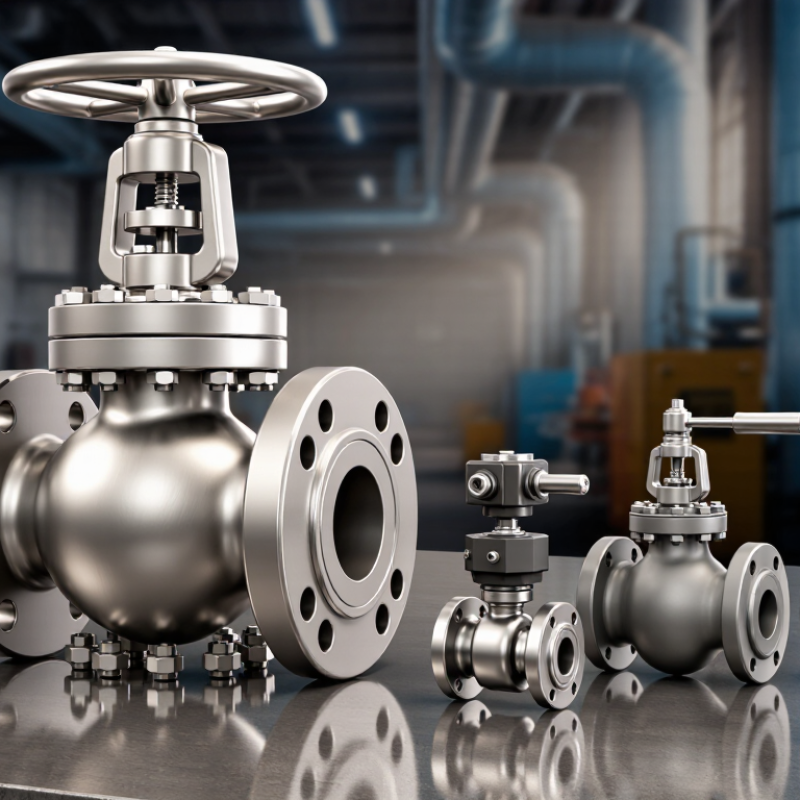
A ball valve opens or closes when its drilled sphere turns 90 degrees. The short rotation allows quick isolation, useful when operators need to shut a line without several handwheel turns. Full-bore valves have an opening close to the adjoining pipe’s internal diameter, reducing restriction and helping pass slurries or cleaning pigs. Reduced-bore designs use a smaller opening and can be more compact, but create a greater flow restriction. V-port balls shape the flow more gradually for control duties. A useful distinction. On-site, the bore choice affects pressure loss, space, and maintenance access.
In oil, gas, water, and process piping, ball valves commonly serve as isolation devices; they are not automatically suitable for precise throttling. Partly open positions can expose seats to concentrated flow and wear. The International Energy Agency’s Global Methane Tracker 2024 estimates that fossil-fuel operations released nearly 120 million tonnes of methane in 2023. This is not a ball-valve performance figure, but it underscores why gas-line isolation and sealing deserve careful attention. Check pressure-temperature ratings against the applicable design standard, such as ASME B16.34, and consider fluid, temperature, cycling, and maintenance needs. A quarter-turn handle looks simple. The selection is not.
Standards for Chinese Manufacturers: API 6D, ISO 17292, and ASME B16.34
For global buyers, API 6D, ISO 17292, and ASME B16.34 address different parts of ball-valve quality. API 6D covers pipeline and piping valves, including design and testing requirements. ISO 17292 specifies requirements for metal ball valves used in petroleum, petrochemical, and natural-gas applications. ASME B16.34 sets pressure-temperature ratings and requirements for materials, dimensions, and testing. A supplier’s claim of compliance should match the valve type, size, pressure class, and intended service.
Tips: Request the applicable certificates and test records. Check their scope, edition, and validity. Compare them with the exact model on your quotation. A certificate alone is not enough.
Ask for material traceability, pressure-test reports, and details of inspection procedures. For example, confirm that the body material and pressure class match the project specification, not just the product catalogue. When reviewing test documents, check that model numbers and serial numbers correspond to the valves being supplied. This detail is easy to miss. Requirements can vary by project, and standards are periodically revised, so verify the required editions with the project engineer. If a document is unclear, ask for clarification before purchase; a neat certificate does not always reveal how consistently production is controlled.
Pressure Selection: ASME Classes 150–2500 and NPS/DN Ratings
Selecting an ASME pressure class requires more than matching a number on a pipeline drawing. Classes 150, 300, 600, 900, 1500, and 2500 indicate pressure-temperature rating categories, not one fixed pressure limit. The allowable pressure depends on the valve’s material and operating temperature. Check the applicable rating table for the specified material group, then compare it with maximum operating pressure and credible pressure surges. Small details matter. A Class 300 valve may not retain its room-temperature rating in hot service.
NPS and DN identify nominal size, but they are not exact measurements of the valve’s flow opening. NPS 4 and DN 100 are commonly used size references; actual port diameter depends on valve design. Confirm the connection standard, pipe schedule, end type, and required bore. A reduced-port valve can restrict flow even when its nominal size matches the line. Not always obvious. Buyers should also verify differential pressure, temperature range, seat materials, and the required testing documentation. A specification that lists only “Class 600, DN 80” leaves important questions unanswered. Rechecking the full pressure-temperature basis may feel repetitive, but it can prevent a costly mismatch.
Quality Testing: API 598 and ISO 5208 Pressure and Leakage Requirements
For global buyers, pressure and leakage records reveal more than a polished product sheet. API Standard 598 commonly specifies shell testing at 1.5 times the valve’s pressure rating and closure testing at 1.1 times, subject to the applicable valve type and standard edition. ISO 5208 defines leakage-rate classes; Rate A means no visually detectable leakage during the test. These are measurable acceptance criteria, not interchangeable marketing terms.
A useful factory report identifies the valve size, pressure class, test medium, pressure, hold time, leakage class, and result. Check that gauges have current calibration records and that the tested valve matches the shipment specification. External leakage at the body or stem should be recorded separately from seat leakage. A clean test sheet is helpful, but it cannot replace clear traceability.
Details sometimes get missed.
Tips: Ask for the actual API 598 or ISO 5208 test record, not only a pass certificate. Confirm the agreed leakage class before ordering; a stricter class can affect seat design and inspection. Also verify that the report covers the same size and pressure rating as your valves.
Evaluating Global Suppliers: Materials, Traceability, Certifications, and Export Support
For global buyers, evaluating a Chinese ball valve manufacturer starts with the actual service conditions. Ask for body, ball, stem, and seat material grades—not broad labels such as “stainless steel.” Match them to the medium, pressure, temperature, and corrosion risks. A supplier’s material data should align with the purchase specification. Traceability matters. Heat numbers on material certificates should connect clearly to production and inspection records. Check that connection on a sample order; paperwork can appear complete while links between documents remain unclear.
Certifications are useful only when their scope, issuing body, and validity match the valves being purchased. Verify applicable product and quality-system requirements, then request inspection reports and test records for the quoted configuration.
Export support also deserves practical checks: confirm drawing approval, packaging details, shipping marks, document lists, and response times before production begins. A wooden crate label and a tidy document pack help, but neither proves valve performance. No checklist catches every production issue, and a first shipment may reveal gaps in communication. Buyers should record those gaps and agree on corrective steps before repeat orders.
Related Posts
-
China Best Ball Valve Manufacturers for Global Buyers
-
What Is the Best Ball Valve Manufacturer in China?
-
What is a 3 Way Ball Valve and How Does It Work?
-
What is a Ball Valve and How Does it Work?
-
2026 Best Ball Valve Manufacturers for Global Buyers
-
What Makes a Pneumatic Ball Valve the Best Choice for Industrial Applications