What Is the Best Ball Valve Manufacturer in China?
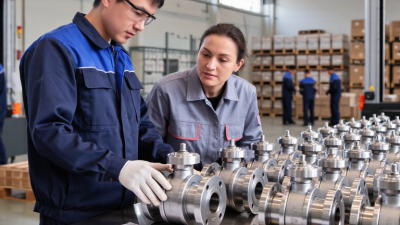
Choosing the best ball valve manufacturer in China requires more than comparing prices or polished catalogs. A dependable supplier should show how its products perform under real operating conditions. Look for clear material specifications, pressure and temperature ratings, seat and seal options, traceable testing records, and consistent quality controls. Ask for documents tied to the exact model, not a generic product family. Small details matter. A clean machining finish, legible nameplate, and complete test report can reveal how carefully a manufacturer manages production.
Valve engineer and author Philip L. Skousen’s published work offers a practical selection principle: match valve design to its service conditions, rather than choosing by name alone. That idea applies when evaluating Chinese manufacturers, too. A factory may offer stainless steel or carbon steel bodies, floating or trunnion-mounted designs, and manual or automated operation. Those options mean little unless they suit the fluid, pressure, temperature, and duty cycle. Request sample inspection records, discuss failure handling, and confirm whether production units follow the same specifications as approved samples. Ask direct questions. Then check the answers. A confident sales response is not proof of engineering depth. Neither is a long export history. The strongest shortlist balances technical capability, transparent communication, and evidence that can be independently reviewed. There may be no single “best” ball valve manufacturer for every project. That is worth remembering. A careful comparison may take longer, and some supplier claims will remain difficult to verify. Still, a measured choice is safer than trusting a low quote or an impressive website alone.
Understanding Ball Valves and Their Industrial Uses
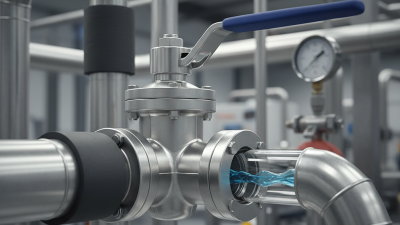
A ball valve controls flow with a drilled sphere that turns inside the valve body. When its bore aligns with the pipe, fluid passes through; a quarter-turn closes the passage. This simple action makes ball valves useful in water systems, process lines, and some gas applications. In a plant, an operator may close one valve to isolate a pump before maintenance. The handle position is easy to see. Still, a valve’s suitability depends on its materials, pressure rating, temperature range, and the fluid being handled.
Industrial selection calls for more than checking pipe size. Stainless steel may resist corrosion in certain services, while other applications need different body or seal materials. Seat compatibility matters, especially when heat or abrasive particles are present. A standard ball valve is often chosen for on-off control, but frequent throttling can wear its seats. That detail is easy to overlook. Engineers should also consider connection type, operating torque, and access for inspection. Actual service conditions can differ from a neat specification sheet.
Tips: Check the fluid, pressure, and temperature before choosing a valve. Confirm that seals suit the medium, and test operation after installation. Keep the handle clear of nearby equipment. If the valve will control flow continuously, ask a qualified engineer whether another valve type is more appropriate. I have seen selection decisions focus too heavily on price; that can be a costly shortcut.
How to Evaluate Chinese Ball Valve Manufacturers
The best Chinese ball valve manufacturer is the one that can prove its products fit your service conditions, not merely offer the lowest quotation. Grand View Research estimated the global industrial valves market at USD 77.5 billion in 2023 and projected 4.8% annual growth from 2024 to 2030. That growth makes careful supplier evaluation more important, especially for high-pressure or corrosive applications.
Check whether the manufacturer’s documented scope matches your valve type, pressure class, materials, and end connections. Ask for material certificates, heat-number traceability, and pressure-test records tied to the quoted model. For relevant pipeline valves, review API 6D requirements; for testing, compare procedures with API 598 or ISO 5208. Don’t rely on certificates alone. Confirm that the nameplate, drawings, and test results describe the same product. Small mismatches matter.
Inspect machining, assembly, and testing procedures, either in person or through a qualified third-party audit. Ask how the factory handles rejected castings, spare parts, and delivery delays. A polished factory tour can still miss weak recordkeeping. I would also request a sample order before approving a large purchase. It adds time. But a few hours checking documentation may prevent costly surprises later.
Key Standards, Materials, and Quality Indicators
For a ball valve, standards should match the intended service, not just appear on a certificate. API 6D is relevant to pipeline valves, while ISO 5208 specifies pressure testing for industrial valves. ASME B16.34 helps define pressure-temperature ratings and construction requirements. For fire-risk applications, check whether API 607 testing is applicable. These standards address different needs; one does not replace another. Ask for test reports tied to the valve’s model and size.
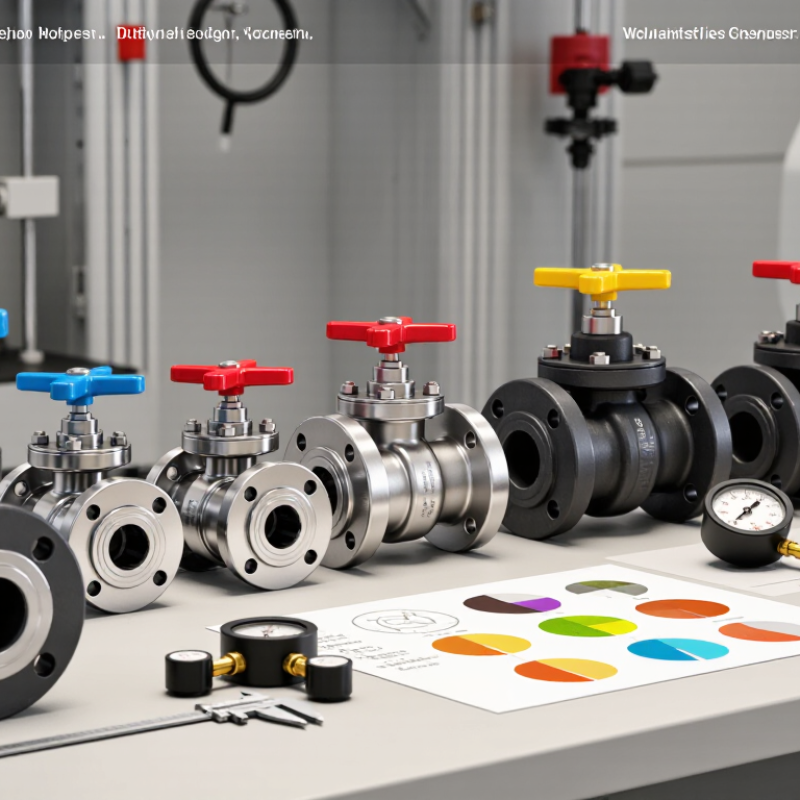
Material selection needs equal care. WCB carbon steel may suit many general services, while 316 stainless steel offers better resistance in some corrosive environments. Neither is universal. Check the fluid, temperature, pressure, and risk of chloride exposure before choosing. Seat materials such as PTFE, reinforced PTFE, or metal can change leakage performance and operating torque. Look for material certificates, heat-number traceability, dimensional inspection records, and documented shell and seat tests. Small details matter. A certificate alone does not prove that the delivered valve matches the tested design. I would also inspect machining and assembly records, though paperwork can never replace a clear review of service conditions and acceptance criteria.
Comparing Manufacturer Capabilities and Product Ranges
What makes a ball valve manufacturer the best in China depends on the job, not just the catalogue. Compare production capability with the actual service conditions. Can the factory machine the valve body consistently? Ask how it controls dimensions, inspects castings, and tests completed valves. Useful evidence includes pressure-test records, material traceability, and clear inspection procedures. A polished brochure is not enough.
Product range matters, but breadth alone proves little. Check whether the manufacturer offers floating and trunnion-mounted designs, relevant body materials, and suitable seat options. For a water line, a compact stainless-steel valve may fit. A larger pipeline carrying abrasive fluid could need a different design and tighter review of wear parts. Confirm pressure and temperature ratings against your operating data. Details matter. Also ask whether custom end connections or actuator packages are available, and how those changes affect lead time.
Compare technical support and delivery practices alongside price. Request drawings, dimensional data, and sample test documentation before approval. Ask who handles engineering questions after the order is placed. Specifications can look similar on paper, yet differ in testing depth or component sourcing. No comparison is perfect; published information may not reveal how a valve performs after years of cycling. A factory visit or independent inspection can help, though it adds time and cost.
How to use this benchmark: Pressure class is one useful comparison point when evaluating ball valve manufacturers, but it is not a measure of overall quality. Actual allowable pressure depends on material and temperature; check the manufacturer’s certified datasheets and applicable standards for each product.
How to Select the Right Chinese Ball Valve Manufacturer
Choosing a Chinese ball valve manufacturer starts with the service conditions, not the catalogue. Define the medium, pressure, temperature, flow direction, operating cycles, and required end connections. The Fortune Business Insights Industrial Valves Market report valued the global market at USD 78.18 billion in 2023. That scale signals a broad supplier base, not consistent quality. Ask shortlisted factories for drawings, material certificates, pressure-test records, and a sample inspection plan.
Check whether the proposed body, ball, and seat materials suit your fluid and operating temperature. Confirm applicable design and testing standards, such as API 608 or ISO 5208, against your project specification. The World Steel Association reported China produced about 1,005 million tonnes of crude steel in 2024. This reflects industrial capacity, not proof that a particular valve uses traceable steel. Ask for heat numbers and verify they match the product documents. Look closer.
Evaluate the factory’s testing equipment and procedures. Request recent test records showing test pressure, duration, acceptance criteria, and serial or batch identification. If possible, witness a sample test or use an independent inspector. A polished factory tour can be misleading; I would not treat clean floors as evidence of process control. Also compare lead times, spare-part availability, and how the supplier handles nonconforming items. One detail is easy to miss: confirm that quoted dimensions and face-to-face measurements match your installation drawing before placing an order.
Related Posts
-
China Best Ball Valve Manufacturers for Global Buyers
-
What is a 3 Way Ball Valve and How Does It Work?
-
What is a Ball Valve and How Does it Work?
-
What Makes a Pneumatic Ball Valve the Best Choice for Industrial Applications
-
Embracing Innovation in the Future of Best Motorized Valve Technology
-
Mastering the Basics of 3 Way Ball Valve Installation and Maintenance Guide