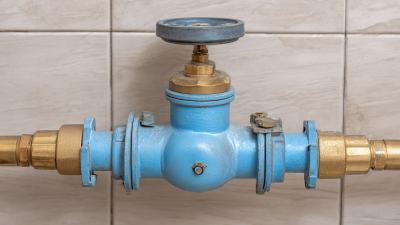
China Best Ball Valve Manufacturers for Global Buyers

China has become a major sourcing base for ball valve products used in water treatment, oil and gas, chemical processing, energy, and industrial automation. Global buyers often compare Chinese manufacturers by more than price. They examine material quality, machining accuracy, pressure ratings, certifications, production capacity, and after-sales support. A reliable manufacturer should explain these details clearly, not hide behind broad marketing claims.

Small differences matter. A stainless steel body, reinforced seat, or polished stem can affect service life in demanding environments. Experienced suppliers usually provide drawings, material certificates, inspection records, and pressure-test results before shipment. They may also support API, ISO, ANSI, DIN, or other project-specific requirements, depending on the application and destination market. Buyers should still verify every certificate and specification independently.

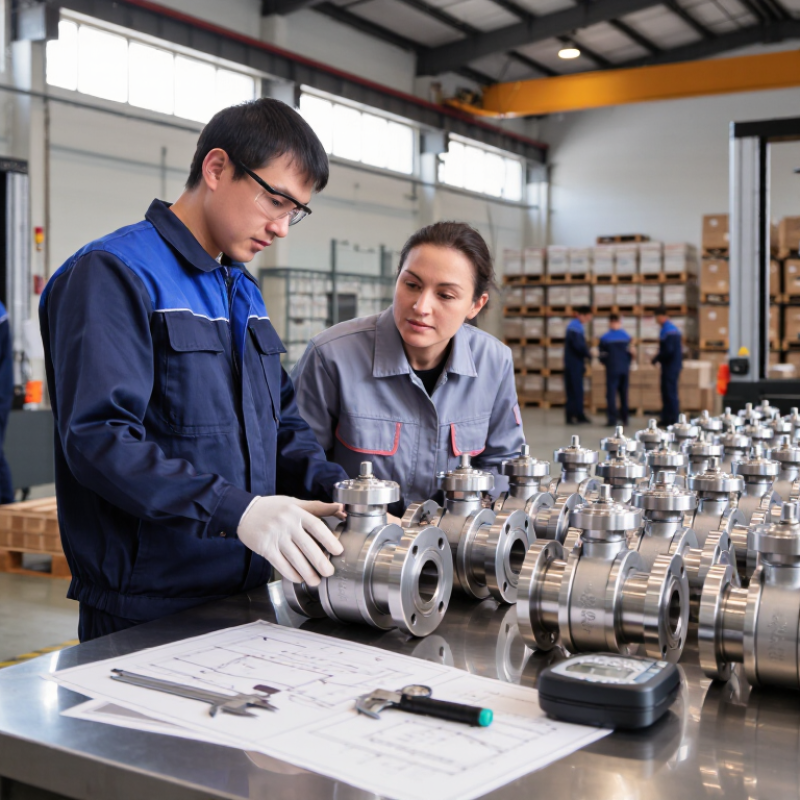
Factory visits can reveal useful details. Look for clean assembly areas, calibrated test equipment, organized inventory, and workers who understand the product. Ask how the manufacturer handles leakage testing, batch traceability, and replacement parts. Communication is another practical test. Slow replies may become a serious problem after an order is placed.

No supplier is perfect.

Even established companies can make mistakes, especially with custom designs or urgent deliveries. The best manufacturers acknowledge risks and offer corrective actions. This guide introduces China’s leading ball valve manufacturers for global buyers, focusing on manufacturing experience, technical capability, quality systems, customization, delivery reliability, and long-term cooperation. The final choice should match the project, not merely the lowest quotation.
China Best Ball Valve Manufacturers for Global Buyers

Ball Valve Fundamentals: Quarter-Turn Operation, DN15–DN600 Sizes, and Materials

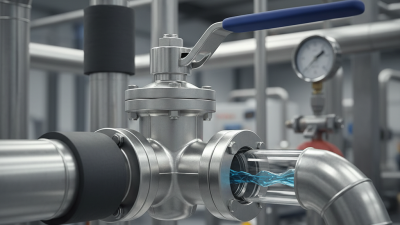
Ball valves use a quarter-turn motion to control fluid flow. A bored ball rotates 90 degrees inside the valve body. The open position aligns the bore with the pipeline. The closed position turns the bore across the flow path.

This action is fast and practical during isolation work. I have seen operators force a stiff handle, damaging the stem or actuator.

The handle should move smoothly, without sudden resistance.

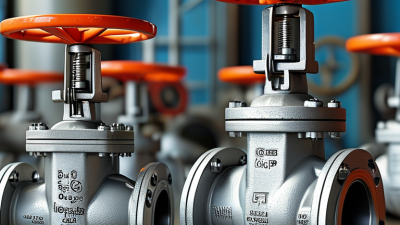
DN15 suits compact instrument lines and small utility circuits. DN600 belongs to large water, energy, and process pipelines.

DN sizing indicates nominal diameter, not always the exact internal bore.

Buyers should check face-to-face dimensions, pressure ratings, end connections, and flow capacity.

A large valve also needs lifting points and adequate support. Installation space is often underestimated.

Material selection must match the medium, temperature, pressure, and environment.

Brass can serve common low-risk services, while stainless steel offers stronger corrosion resistance.

Carbon steel supports demanding industrial duty when properly protected.

PTFE and elastomer seats require separate temperature and chemical checks.

A perfect selection on paper can still disappoint during cycling tests. I still reconsider choices made without reviewing actual fluid data.

Reliable purchasing includes body inspection, seat testing, traceable documents, and sample dimensional checks before shipment.

Industry Standards: API 6D, ASME B16.34, ISO 5211, and PED Compliance

China Best Ball Valve Manufacturers for Global Buyers

For global buyers, compliance begins before a ball valve reaches the test bench. API 6D supports pipeline valve design, inspection, pressure testing, and documentation. ASME B16.34 defines pressure-temperature ratings, materials, and essential testing requirements. The details matter.

ISO 5211 standardizes actuator mounting interfaces, helping buyers connect gearboxes or electric actuators without improvised drilling. PED 2014/68/EU adds conformity requirements for pressure equipment entering the European market. Manufacturers should provide material certificates, heat numbers, pressure-test records, dimensional reports, and declarations of conformity. A certificate is not proof of every delivery.

Fortune Business Insights valued the global industrial valves market at USD 77.88 billion in 2023. Its report projects the market to reach USD 106.11 billion by 2032, reflecting continuing demand across energy, water, and process industries. These figures explain the crowded supply landscape, but they do not measure manufacturing discipline. Buyers should audit welding controls, casting quality, calibration records, and final inspection practices. Factory experience helps.

A practical review should compare the valve’s size, class, sealing material, end connection, and temperature range with the project specification. API 6D marking alone cannot confirm PED suitability. No standard eliminates installation mistakes. That uncomfortable point deserves attention. Reliable manufacturers also support traceability after shipment, because field problems rarely arrive with perfect paperwork.

China’s Leading Manufacturers: API Certifications, Export Markets, and Production Capacity

China’s leading ball valve manufacturers increasingly serve oil, gas, water, chemical, and power projects worldwide. Fortune Business Insights valued the global ball valve market at about USD 12.71 billion in 2023, with continued growth expected through 2032. This demand explains China’s expanding export capacity, but published factory numbers require careful checking.

Serious suppliers should provide valid API 6D, API 608, or API 609 certificates, depending on valve design and application. API Q1 certification can also indicate controlled manufacturing and quality procedures. Buyers should verify certificate scope, expiry dates, manufacturing locations, and audit records. A certificate alone proves little if it excludes the purchased product range.

Production capacity becomes clearer through evidence. Ask for monthly output, machining equipment, pressure-test photographs, heat-number traceability, and recent inspection records. UN Comtrade data consistently places China among major exporters of industrial valves under HS 848180, supporting its broad export reach across Asia, Europe, the Middle East, and North America. Still, capacity figures can be optimistic. A factory claiming 100,000 units monthly may combine several product types, not equivalent ball valves. On-site audits, sample testing, and witnessed hydrostatic tests remain practical safeguards. Small details matter, such as readable nameplates and consistent test pressure records.

China Ball Valve Manufacturers for Global Buyers

ASME pressure-class reference commonly used when evaluating API 6D and industrial ball valves

The chart shows the nominal pressure ratings for common ASME B16.34 classes at 38°C for a typical carbon-steel material group. These standardized ratings help global buyers compare valve specifications, certification requirements, and application suitability without relying on individual company or brand data.

Supplier Comparison: Class 150–2500 Ratings, API 598 Testing, and Lead Times

For global buyers, comparing ball valve suppliers means more than checking a low quotation. Class 150, 300, 600, 900, 1500, and 2500 ratings indicate pressure design, but temperature changes the real operating limit. Ask for pressure-temperature charts, material certificates, and dimensional drawings. A Class 150 valve may suit a water line, while a Class 2500 valve needs stricter machining and testing controls. Ratings are not interchangeable.

API 598 testing should be documented, not merely mentioned in a catalog. Request the test procedure, seat and shell pressure values, holding times, medium, and acceptance results. Witness testing can reveal small leakage, rough stem movement, or damaged sealing surfaces. I have seen clean reports hide unclear test dates. That deserves a second question. Independent inspection adds confidence, especially for large orders or critical service. Check calibration records too.

Lead time should include engineering review, production, testing, packing, and export documentation. A quoted 25-day shipment may exclude casting delays or inspection scheduling. Ask for a milestone schedule with named checkpoints. Smaller batches may move faster, but custom materials can reverse that advantage. Be careful with promises. A reliable supplier explains risks early and offers recovery options. The best comparison weighs pressure class, API 598 evidence, traceability, response speed, and delivered timing. My own weakness is trusting neat spreadsheets too quickly; factory capacity and communication often matter more than polished figures.

China Best Ball Valve Manufacturers for Global Buyers - Supplier Comparison: Class 150–2500 Ratings, API 598 Testing, and Lead Times
Anonymous supplier comparison based on commonly specified industrial ball-valve configurations and indicative export procurement benchmarks
Supplier Profile Typical Valve Scope Pressure Classes Nominal Size Range Body and Trim Options Seat Design API 598 Test Coverage Common Certifications and Documents Typical Production Lead Time Export Packaging and Inspection
Profile A
Standard Export
Two-piece and three-piece floating ball valves for water, air, oil and general process service Class 150, 300 and 600 NPS 1/2–12 WCB or CF8M body; 316 stainless-steel trim; anti-static and blowout-proof stem options PTFE, reinforced PTFE or fire-safe soft seat Shell test and low-/high-pressure closure test available in accordance with API 598; test reports supplied per order Material test certificates, dimensional inspection, hydrostatic test report and certificate of conformity 25–35 calendar days Export-grade plywood cases; visual inspection and random dimensional inspection commonly available
Profile B
Process Service
Trunnion-mounted and floating ball valves for refinery, petrochemical and gas-processing applications Class 150, 300, 600 and 900 NPS 2–24 Carbon steel, low-temperature carbon steel or stainless steel; NACE-related material options by specification Soft seat, metal-seated or double-piston-effect configurations API 598 shell and closure testing; optional fugitive-emission, fire-safe and gas-seat testing when specified in the purchase order EN 10204 3.1 material certificates, pressure-test records, coating report and final inspection dossier 35–50 calendar days Sealed flange protectors, corrosion inhibitor and third-party inspection coordination available
Profile C
Large-Diameter
Large-bore trunnion-mounted ball valves for transmission pipelines, terminals and high-flow systems Class 300, 600, 900 and 1500 NPS 10–48 Forged or cast carbon steel; stainless-steel or nickel-alloy trim options; extended-body designs available Soft seat, metal seat and emergency sealant injection arrangement API 598 pressure testing; API 6D or project-specific testing may be added for pipeline applications Heat-treatment records, NDE reports, material certificates, coating records and full data book by project requirement 55–80 calendar days Heavy-duty timber packing, lifting points and pre-shipment inspection recommended for large valves
Profile D
High-Pressure
Forged-body and fully welded ball valves for high-pressure oil, gas and energy service Class 600, 900, 1500 and 2500 NPS 1–16 Forged carbon steel, low-temperature steel or stainless steel; tungsten-carbide or nickel-alloy trim options Metal-seated or reinforced soft-seat designs; cavity-pressure-relief options available API 598 shell and seat testing; supplementary fire-safe, fugitive-emission and high-pressure gas testing may be requested Full traceability, NDE documentation, welding procedure records, heat-treatment records and third-party inspection dossier 70–100 calendar days Individual valve protection, moisture control and witnessed inspection generally recommended
Profile E
Automated Package
Automated on/off ball-valve packages for water treatment, utilities, HVAC and process skids Class 150 and 300; selected Class 600 configurations NPS 1/2–10 Stainless steel or carbon steel valve; pneumatic or electric actuator; solenoid, limit switch and positioner options PTFE, RPTFE or PEEK-based seat options depending on temperature and media API 598 pressure testing for the valve; actuator functional testing and open/close cycle verification available Valve test report, actuator data sheet, wiring diagram, calibration record and operation manual 30–45 calendar days Actuator travel secured for shipment; functional test video or inspection record available by request
Procurement note: Lead times are indicative calendar-day ranges for standard export orders and can change with size, pressure class, material, seat design, actuator configuration, inspection scope and production loading. API 598 testing should be confirmed in the purchase order, including test medium, pressure, duration, acceptance criteria and required documentation. Pressure-temperature ratings must be verified against the applicable material standard and project specification.

Global Buyer Checklist: Traceability, MOQ, Incoterms, Warranty, and After-Sales Support

Choosing China’s best ball valve manufacturers requires more than comparing unit prices. Traceability should begin with the material heat number and continue through machining, assembly, pressure testing, and final inspection. Ask for matching material certificates, serial numbers, test records, and calibrated-gauge details. The ISO Survey 2022 reported more than 1.2 million ISO 9001 certificates worldwide, yet certification alone proves little about one shipment. Verify whether factory records match the valve in your crate.

MOQ can quietly damage cash flow. Request separate quantities for standard sizes, customized ends, and spare parts. Confirm whether samples count toward production MOQ. Incoterms 2020, published by the International Chamber of Commerce, allocates costs, risk, and delivery duties differently under EXW, FOB, CIF, and DDP. A low FOB quote may exclude inland handling, export clearance, or destination charges. Get the named place in writing. Small wording matters.

Warranty terms should state coverage, exclusions, claim evidence, and response time. Ask who pays return freight and how replacement valves are approved. After-sales support needs practical proof: spare-seat availability, bilingual manuals, remote troubleshooting, and a named technical contact. The World Bank’s 2023 Logistics Performance Index treats tracking and tracing as a core logistics capability, so request shipment milestones and packing photographs. I have seen buyers overlook gasket compatibility and ambient temperature limits. The checklist is useful, but it can still miss an installation detail. Review the datasheet with the actual operator.