What is a Ball Valve and How Does it Work?

In the world of industrial valves, the ball valve stands out for its simplicity and efficiency. According to John Smith, an expert in fluid dynamics, “A ball valve offers unmatched durability and reliability.” This statement encapsulates the essence of a ball valve’s functionality. These valves use a spherical disc to control flow, allowing for quick shut-off and precise flow regulation.

Ball valves have become a staple in various applications, from water systems to oil pipelines. Their design minimizes pressure drops and enhances performance. However, not all ball valves operate perfectly under every condition. Issues such as wear and misalignment can arise, leading to potential leaks. This highlights the importance of regular maintenance and evaluation of ball valve systems.

Understanding how a ball valve works is crucial for anyone involved in engineering or industrial management. The balance between efficiency and the potential for failure is a constant consideration. As we explore this topic, we will delve into the workings of ball valves and their significance in maintaining fluid control across diverse industries.
What is a Ball Valve and How Does it Work?

What is a Ball Valve?

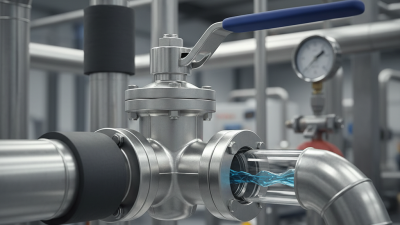
A ball valve is a type of valve that uses a spherical disc to control fluid flow. Its design allows for quick shut-off and is known for durability. The basic mechanism consists of a hollow, perforated ball which rotates to open or close the passage. When the ball is aligned with the flow, the fluid passes through. When it is perpendicular, the flow stops. This simple yet effective design has made ball valves a popular choice in various applications, particularly in water and gas systems.

Industry reports indicate that the global ball valve market is expected to grow at a CAGR of around 5% over the next five years. This growth is driven by increased investments in infrastructure and energy projects. For instance, the use of ball valves in oil and gas industries has become essential, given their reliability under high pressure and temperature conditions. However, not all applications suit ball valves. Their sealing capabilities may falter under certain conditions, leading to potential leaks.

Maintenance of ball valves can also pose challenges. Regular inspections are crucial, as wear and tear can affect their performance. Although ball valves are generally low-maintenance, neglect can lead to issues. Understanding when to replace or service these valves is vital for ensuring operational efficiency. Not every engineer might be aware of these nuances, and this oversight could impact system reliability.

Ball Valve Usage by Industry

Ball valves are widely used in various industries due to their durability and ability to provide tight sealing with minimal flow resistance. The chart above illustrates the percentage usage of ball valves across different sectors, showing the predominant reliance on them in oil & gas and water supply industries.

The Components of a Ball Valve

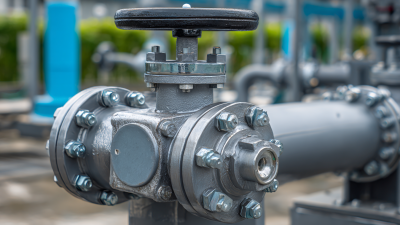
A ball valve is a simple yet effective device used to control the flow of liquids and gases. Understanding its components helps in appreciating its function. A typical ball valve consists of four main parts: the body, ball, seat, and stem. The body houses the internal components and connects to pipes. The ball, shaped like a sphere, contains a hole in its center. This hole allows flow when aligned with the pipeline.

The seat provides a sealing surface for the ball, preventing leakage. It is usually made of materials like PTFE, which offers durability. The stem connects the ball to the handle outside the valve. When you turn the handle, it rotates the ball. This simple mechanism controls flow efficiently, making ball valves popular in various industries.

Ensure regular maintenance of ball valves for optimal performance. Inspecting seals can prevent leaks. Sometimes, valves may stick due to inactivity. In such cases, consider gently rotating the handle to loosen them. Familiarizing yourself with these components enhances your ability to troubleshoot issues effectively.

How a Ball Valve Operates

Ball valves are essential components in various piping systems. They control the flow of fluids through the rotation of a ball with a hole in its center. When the ball is aligned with the flow, the valve is open. When turned 90 degrees, it closes off the flow completely. This simple design allows for quick operation and reliable sealing.

Operation of a ball valve is straightforward. When the handle is rotated, it moves the ball inside the valve body. The sealing surfaces of the ball and valve seat create a tight seal. This reduces the risk of leaks, making ball valves a popular choice in industries like oil and gas. However, improper installation can lead to issues.

In practice, maintenance is crucial. Regular inspections help ensure proper function. Accumulation of debris can hinder movement and lead to malfunction. As with any mechanical device, operators must be vigilant. Awareness of potential issues can save time and resources in the long run. Understanding how a ball valve operates enhances its reliability in various applications.

Advantages of Using Ball Valves

Ball valves exhibit impressive advantages that enhance various applications. Their simple design allows for rapid on-off control, making them efficient for fluid regulation. When fully open, ball valves minimize friction loss, promoting high flow rates. This characteristic is particularly beneficial for systems requiring quick fluid transit.

Durability is another key attribute. Ball valves are built to withstand high pressures and temperatures. Their sturdy construction resists wear and tear, ensuring long-term reliability in demanding environments. This longevity means less frequent replacements, ultimately saving costs on maintenance and downtime.

Consider these factors when selecting ball valves for your system. Always assess the specific requirements of your application. Ensure that the size matches your piping dimensions. Regular inspections can identify any emerging issues before they escalate. Ball valves, while durable, can develop leaks if not monitored correctly. Understanding their strengths helps you maintain efficient operations.

Common Applications of Ball Valves

Ball valves are widely used in various industries due to their reliability and efficiency. A common application is in the oil and gas sector, where they help control the flow of liquids and gases. Their design allows for quick shutoff. In refineries and pipelines, the ability to tightly seal when closed prevents leaks. This is crucial for maintaining safety and minimizing environmental impacts.

Water treatment facilities also benefit from ball valves. They are used to regulate water flow through treatment processes. The ease of operation allows for quick adjustments during varying conditions. Additionally, in commercial buildings, ball valves are often installed in heating, ventilation, and air conditioning (HVAC) systems. They enable efficient temperature control and improve energy efficiency.

However, while ball valves are effective, they are not without their challenges. Over time, wear and tear can affect their performance. In high-pressure systems, failures may occur if valves are not regularly inspected. Employing proper maintenance practices ensures longevity. Awareness of these factors is critical for professionals in the field.

What is a Ball Valve and How Does it Work? - Common Applications of Ball Valves

Application Description Advantages Common Industries
Water Supply Used to control the flow of water in pipelines. Quick opening and closing, minimal pressure drop. Municipal, Agriculture
Chemical Processing Regulates the flow of chemicals, ensuring safe handling. Resistant to corrosive materials, reliable performance. Pharmaceutical, Petrochemical
HVAC Systems Controls air and water flow in heating and cooling systems. Energy efficient, easy to maintain. Building Management, Industrial
Oil and Gas Used for controlling flow in pipelines and storage tanks. High durability, can handle high-pressure environments. Oil, Natural Gas
Food and Beverage Maintains flow in food processing and beverage production. Sanitary design, easy to clean. Beverage, Dairy, Food Processing