Why Choose a 3 Way Ball Valve for Global Sourcing?

Global sourcing decisions are rarely made on price alone. Buyers must weigh flow requirements, material compatibility, delivery time, and long-term maintenance. A 3 way ball valve can direct or mix flow through one compact body, reducing the need for multiple separate valves in some piping layouts. The detail matters: a stainless-steel valve on a process line faces different demands from a brass valve serving a low-pressure utility system.

Market context helps explain the attention these products receive. Grand View Research estimated the global industrial valves market at approximately USD 79.4 billion in 2023 and projected continued growth through 2030. That estimate covers many valve types, not 3 way ball valves alone, so it should not be treated as a direct measure of demand for this product. Still, it signals a large and evolving supply base. For sourcing teams, that can mean broader supplier choice—but also more variation in specifications, testing, and documentation.

The case for choosing a 3 way ball valve depends on the application, not the label. Port arrangement, pressure and temperature ratings, seat material, actuation, and applicable standards all deserve careful review. A lower unit price may look attractive. It may not tell the whole story. Buyers should compare drawings, inspection records, and delivery terms, then confirm details with the manufacturer. Even a careful checklist can miss something; that is a reason to ask better questions, not to assume every supplier offers the same product.
Why Choose a 3 Way Ball Valve for Global Sourcing?

What Is a Three-Way Ball Valve and How Does It Work?

Why Choose a 3 Way Ball Valve for Global Sourcing?

What Is a Three-Way Ball Valve and How Does It Work?

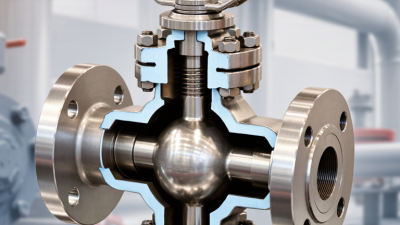
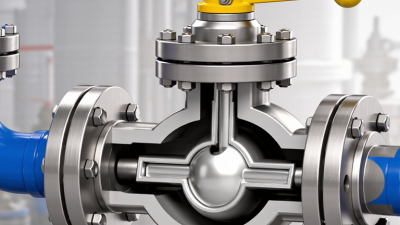
A three-way ball valve controls flow through one body with three connected ports. Inside, a drilled ball rotates around a fixed axis. When the handle turns, the bore aligns with selected ports. This action can divert, mix, or isolate fluid paths. Unlike a two-way valve, it offers routing choices without another valve body. Common designs include L-port and T-port configurations. An L-port usually selects one outlet. A T-port can connect several paths, depending on its position.

For global sourcing, this compact structure can simplify piping layouts and reduce installation points. Selection should follow the medium, pressure, temperature, and operating frequency. Material compatibility matters, especially with corrosive fluids or abrasive particles. Seal material also affects service life. During inspection, check the flow arrow, port pattern, stem movement, and connection dimensions. A valve may look correct but route flow differently than expected. That mistake is easy to miss. I would verify the bore pattern with a simple rotation test before commissioning. It takes minutes, but prevents costly rework.

Tips: Request drawings, pressure ratings, connection standards, and test records from the supplier. Confirm whether the valve is designed for diverting or mixing service. Do not assume every three-way valve provides identical shutoff performance. Ask for sample inspection when tolerances are critical. Leave room for human error; specifications are not always interpreted perfectly across regions.

Key Valve Configurations for Different Flow Control Needs

When sourcing a three-way ball valve, configuration matters more than the body label. Flow direction, pressure, temperature, and maintenance access should guide the selection. An L-port ball directs media between two outlets. It suits simple diversion, such as sending wash water to either of two lines. A T-port ball can connect three passages. It supports mixing, distribution, or temporary bypass arrangements. The valve bore and seat materials must match the process fluid.

For mixing service, two inlet streams enter the valve and leave through one outlet. Stable flow requires balanced pressure and correctly sized piping. For diverting service, one inlet feeds either outlet, but both branches need clear operating limits. A full-port design can reduce pressure loss in larger pipelines. A reduced-port design may lower cost and improve control in compact systems. That trade-off is easy to overlook.

During global sourcing, request flow diagrams, port orientation drawings, test records, and material certificates. Ask how the actuator indicates each position. Small details matter. I once treated an L-port and T-port selection as interchangeable; that assumption could create an unintended cross-connection. It is better to verify the bore pattern with a real operating sequence. Check shutoff performance, torque margins, seal compatibility, and spare-part availability. Packaging and documentation also affect installation reliability across different sites.

Why Three-Way Ball Valves Support Efficient Global Sourcing

Why Choose a 3 Way Ball Valve for Global Sourcing?

Three-way ball valves support efficient global sourcing by combining several flow-control functions in one compact unit. A single valve can divert, mix, or isolate media, reducing equipment count and installation work. This matters when projects involve multiple countries, different suppliers, and strict delivery schedules. The L-port and T-port designs serve different routing needs, so the flow pattern must match the process drawing. Small errors here can create expensive delays.

In practical sourcing evaluations, buyers should compare pressure ratings, temperature limits, body materials, seal compatibility, and connection standards. Clear technical documents make supplier communication easier across languages and time zones. Request dimensional drawings, material certificates, pressure-test records, and traceable inspection data. These details improve reliability. They also help engineers review substitutions without guessing. However, a three-way valve is not automatically the best option. Poor access for maintenance, unsuitable seals, or unclear port labeling can weaken the entire installation. That deserves honest review.

Tips: Define the media and flow direction before requesting quotations. Confirm whether the valve uses a T-port or L-port ball. Check actuator compatibility, spare-part availability, and delivery packaging. Ask for sample documentation, not only a price. A lower purchase cost may hide longer commissioning work. In some projects, a simpler two-valve arrangement could be easier to service, so the “efficient” choice still needs careful comparison.

Material, Standard, and Quality Factors to Evaluate Suppliers

Why Choose a 3 Way Ball Valve for Global Sourcing?

A 3 way ball valve can redirect, mix, or isolate flow in compact piping systems. Its value depends heavily on material selection. Stainless steel suits corrosive fluids and humid facilities, while carbon steel may offer better cost control for compatible services. Seat materials also matter. PTFE handles many chemicals, but high temperatures can reduce its service life. Confirm pressure, temperature, and media compatibility before comparing prices.

Standards provide a common technical language between buyers and suppliers. Request compliance with relevant valve, flange, and pressure-testing standards for your application. Ask for dimensional drawings, material certificates, pressure-test records, and batch traceability. A reliable supplier should explain deviations instead of hiding them. During inspection, check casting surfaces, port alignment, stem operation, and leakage results. Small machining errors can create difficult installation problems. The cheapest quotation is not always economical. Sometimes, we still overlook packaging quality and spare-part availability.

Tips: Compare identical specifications, not just unit prices. Request a sample valve when volume is significant. Check whether the supplier can repeat test results across batches. Clarify inspection responsibilities before production begins. Photos help, but they cannot replace documented testing. Allow time for technical questions. A rushed decision often leaves important details unresolved.

Why Choose a 3 Way Ball Valve for Global Sourcing? — Material, Standard, and Quality Factors to Evaluate Suppliers

Evaluation Factor What to Specify or Verify Common Options or Reference Why It Matters in Global Sourcing
Flow configuration Confirm whether the valve needs an L-port or T-port ball, and document the required flow paths for each handle or actuator position. L-port valves typically divert flow between two outlets. T-port designs can provide mixing, diversion, or straight-through flow, depending on the port arrangement. Port layouts and operating positions can vary by design. A flow-path diagram helps prevent selection of a valve that cannot perform the required process function.
Body and end-connection material Match the pressure-containing material to the fluid, corrosion conditions, operating temperature, and applicable piping specification. Common choices include carbon steel castings such as ASTM A216 WCB and stainless steel castings such as ASTM A351 CF8M. Forged options may include ASTM A105 or ASTM A182 F316. Material names alone do not establish suitability. Verify the material grade, product form, and compatibility with the service conditions.
Ball and stem material Request material identification for wetted trim, including the ball and stem, and check compatibility with the process fluid. Stainless steel grades are common for general corrosion resistance; specific grades or treatments may be required for more demanding services. Trim materials can differ from the body material and may affect corrosion resistance, wear, and service life.
Seat and seal materials Confirm seat, stem seal, and body seal materials against the complete temperature, pressure, and chemical service range. PTFE is commonly used for soft seats. Other polymer or elastomer options may be selected when service conditions require them. Seat-material limits are product- and service-dependent. Request the supplier’s published limits rather than relying on a generic temperature range.
Pressure and temperature rating State the design pressure and temperature, including any relevant operating or upset conditions. Confirm the rating for the selected material and end connection. ASME B16.34 provides pressure-temperature rating requirements for applicable valves. Ratings must be checked at the specified temperature. A nominal pressure class is not a single allowable pressure for every temperature or material. Verify the complete rating basis for the order.
Valve design standard Identify the required design standard and confirm that its scope covers the valve type and construction being offered. API 608 and ISO 17292 are commonly referenced for metal ball valves; ASME B16.34 is also widely used for valve design and pressure-temperature requirements. Standards can have different scopes and requirements. The purchase specification should name the applicable standard instead of assuming equivalence.
Inspection and pressure testing Specify the inspection and test standard, test stages, acceptance criteria, and required test records. API 598 and ISO 5208 are commonly used for valve inspection and pressure testing. Testing requirements should be agreed before production. Confirm that certificates identify the valve or production lot and the tests performed.
Flange and piping interfaces Verify end type, nominal size, pressure class, facing, dimensions, and any piping-system requirements. ASME B16.5 is commonly used for pipe flanges and flanged fittings within its scope. Other piping systems may require different dimensional standards. Matching the valve standard to the site piping standard helps avoid fit-up problems during installation.
Fire-safe or sour-service requirements Specify these requirements only when the application or project calls for them, and confirm the design and material requirements with supporting documentation. API 607 and ISO 10497 address fire testing for applicable valves. NACE MR0175/ISO 15156 addresses materials for use in H₂S-containing environments in oil and gas production. These requirements are service-specific. A general-purpose valve should not be assumed to meet them without appropriate design evidence or material qualification.
Material traceability and documentation Define required material certificates, heat or lot traceability, inspection records, and final documentation before placing the order. EN 10204 Type 3.1 is a commonly specified inspection document for metallic products; the required certificate type should be stated in the purchase documents. Clear documentation requirements make it easier to verify materials and maintain records across international shipments and project handovers.
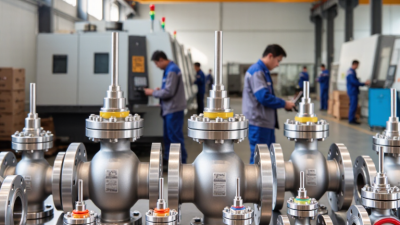
Manufacturing quality controls Ask for the inspection and test plan, checks for dimensions and assembly, leakage-test records, and procedures for handling nonconformities. Evaluate evidence against the agreed valve standard, purchase specification, and project quality requirements. Consistent, documented controls help compare supplier offers on more than price and support repeatable inspection outcomes.
Actuation and operating method Define manual or actuated operation, required operating positions, mounting interface, and any control or safety requirements. Options may include a lever, gear operator, or actuator. Actuator sizing depends on the valve torque requirements and operating conditions. Confirming the operating arrangement early helps ensure that the valve can be installed, operated, and integrated with the control system as intended.

How to Select the Right Three-Way Ball Valve for Your Application

Selecting a three-way ball valve starts with the flow path, not the catalog description. An L-port valve usually connects one inlet to either of two outlets, while a T-port design can mix or divert flow between three ports. Check the valve’s port diagram against your operating sequence. A small mismatch can send fluid to the wrong branch.

Next, define the service conditions. Record the medium, operating pressure, temperature range, and expected cycling frequency. Water, oil, and mildly corrosive fluids may require different body and seal materials. Confirm compatibility with the supplier’s technical data, rather than relying on material names alone. Also check connection type, pipe size, and available installation space. A handle that cannot complete a quarter-turn is a practical problem.

Consider how the valve will be operated. Manual control may suit an accessible line with occasional adjustments; frequent cycling or remote control may call for an actuator. Ask for the pressure rating at your actual temperature and clarify whether the valve is intended for shutoff or flow control. It is easy to over-specify. I have seen selection discussions focus on a larger pressure class while overlooking seal compatibility. Request drawings and test documentation, and compare the stated limits with your process conditions before ordering.

Why Choose a 3-Way Ball Valve for Global Sourcing?

A three-way ball valve can simplify piping layouts by combining flow routing, mixing, or diverting functions in one valve body. The chart presents representative engineering selection ranges commonly used for industrial applications. Actual limits must always be verified against the valve datasheet, fluid compatibility requirements, and applicable standards.

For selection, compare the required pressure and temperature envelope with the valve rating, select an L-port or T-port configuration according to the desired flow path, and confirm body, seat, and seal materials for the process medium. Stainless steel is commonly selected for corrosion resistance, while reinforced PTFE seats are widely used for many general chemical and water-service applications.