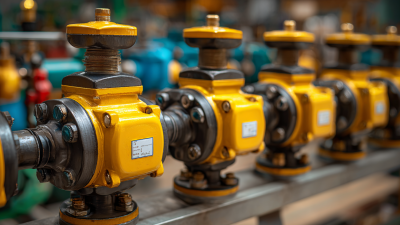
China Top 10 3 Way Ball Valve Manufacturers?

Choosing a reliable 3 way ball valve manufacturer requires more than comparing product prices. Flow direction, pressure rating, sealing materials, and connection standards can affect the entire system.

This guide introduces ten notable manufacturers in China and examines their practical strengths. The selection considers manufacturing experience, technical capability, quality control, customization, certifications, and export service. Factory audits, product catalogs, test reports, and customer feedback provide useful evidence. Still, no list is perfect.

Every project has different requirements.

A valve used in chemical processing may need corrosion-resistant materials and strict sealing performance. A heating system may prioritize temperature stability, compact installation, and frequent cycling. Buyers should also check machining accuracy, actuator compatibility, pressure testing procedures, and spare-part availability.

Details matter.

Some manufacturers focus on stainless steel valves, while others serve water treatment, HVAC, food processing, or industrial automation markets. Their production scale may differ significantly. A large factory is not automatically the best choice for a small custom order. Likewise, a lower quotation may hide limited inspection records or longer replacement times.

The profiles in this article are intended as a practical starting point, not a final purchasing decision. Readers should verify current certifications, factory capacity, lead times, and warranty terms directly with each supplier. If possible, request samples and test them under real operating conditions. That step can reveal issues that brochures often overlook.

Reliable sourcing takes careful questioning, technical judgment, and sometimes a second review.
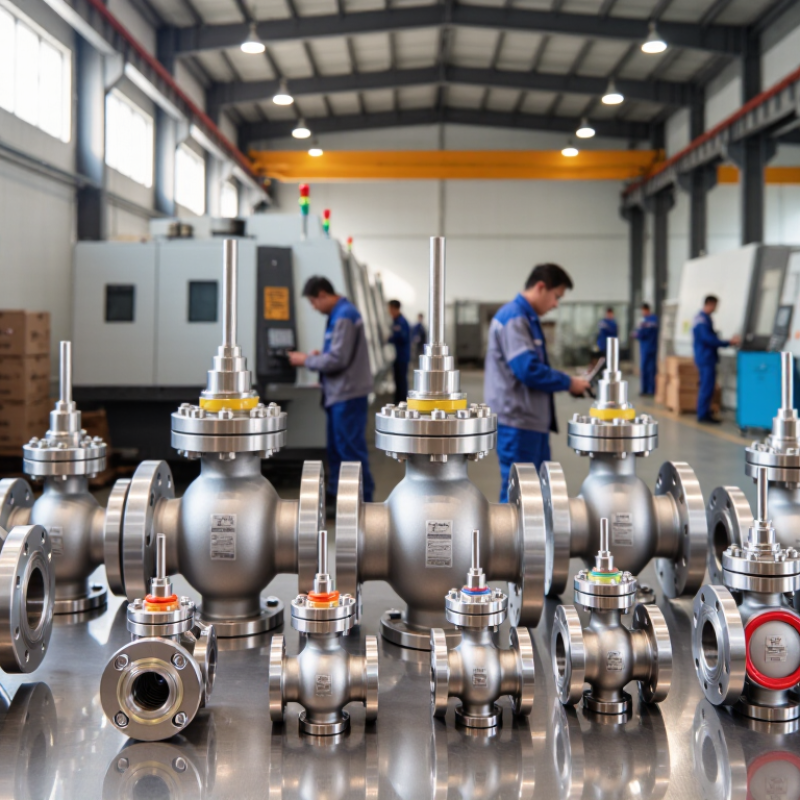
China Top 10 3 Way Ball Valve Manufacturers?

What Is a Three-Way Ball Valve and How Does It Work?

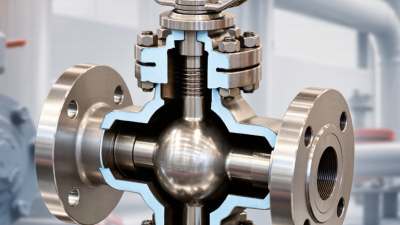
A three-way ball valve controls fluid through three connected ports. Its bored ball rotates inside the valve body. The ball’s passage aligns with one port, two ports, or another flow route. This design supports mixing, diverting, and shutoff duties in compact piping systems.

L-shaped and T-shaped passages create different flow patterns. An L-port usually switches flow between two lines. A T-port can connect several lines at once. However, the actual function depends on the handle position and internal port geometry.

When comparing China’s top ten three-way ball valve manufacturers, buyers should inspect more than catalog prices. Ask for pressure ratings, body materials, seat specifications, and leakage test records. Experienced suppliers can explain how the valve performs with water, oil, air, or corrosive media. They should also provide clear drawings and traceable inspection documents.

During practical installation checks, I look for smooth stem movement and accurate port markings. Small details matter. A missing flow arrow can cause an avoidable commissioning error. Some product descriptions also simplify pressure limits too much, so technical confirmation remains necessary.

Tips:

Match the valve pattern to the required flow path before ordering. Confirm connection standards and operating temperature. Request sample test reports, not only certificates. Leave space around the actuator for maintenance access. A valve may look suitable, yet poor alignment can create unnecessary stress and leakage. Review the application with an engineer when fluid behavior is uncertain.

How to Evaluate Three-Way Ball Valve Manufacturers in China

Evaluating three-way ball valve manufacturers in China requires more than comparing quotations. Market research supports this caution. The 2024 MarketsandMarkets Industrial Valves report projects steady global growth through 2028, driven by process industries and replacement demand. Buyers should inspect production capacity, machining accuracy, and test discipline. Ask for material certificates, pressure-test records, and traceability from heat number to finished valve. ISO 5211 compatibility matters for actuator mounting. API 6D or applicable project standards may also be essential.

Experience reveals small details. During factory assessments, check whether test gauges have current calibration labels. Watch how operators inspect seats and stems. A clean assembly area is encouraging, but it is not proof of reliability. Request sample reports for shell, seat, and functional tests. Confirm the rated pressure, temperature range, media compatibility, and flow direction. EN 12266 leakage classifications can clarify acceptance criteria. The Global Industrial Valve Market analysis by Grand View Research also identifies oil, gas, water, and chemical processing as major demand sectors. Yet market size does not measure one factory’s consistency.

Tips: Compare three recent orders, not one perfect sample. Audit subcontracted casting and coating processes. Ask for replacement-part lead times. Check communication during a technical dispute. Some evaluations overvalue certificates and undervalue production records. That is a mistake. A manufacturer may pass documentation review but still show uneven machining. Require an independent inspection for the first production batch. Keep the inspection scope written and measurable.

China’s Top 10 Three-Way Ball Valve Manufacturers

China’s Top 10 Three-Way Ball Valve Manufacturers

China’s top ten three-way ball valve manufacturers are often judged by engineering depth, production control, and field reliability. A capable factory should offer L-port and T-port designs for mixing or diverting flow. Stainless steel, carbon steel, and special alloys may suit different media and temperatures. Machining quality matters. A rough ball surface can cause leakage, high torque, or premature seat wear.

Reliable manufacturers usually provide material certificates, pressure-test records, dimensional drawings, and traceable batch numbers. Look for documented testing under realistic pressure and temperature conditions, not only attractive catalog photos. Technical teams should explain actuator sizing, seal selection, port configuration, and maintenance intervals. ISO-based quality systems can support consistency, but certification alone does not prove every valve performs well. That part deserves careful checking.

Tips: Request a sample valve and inspect its operation by hand. Confirm the flow direction before installation. Ask whether spare seats and seals remain available after delivery. Factory audits can reveal details, such as poor storage, mixed materials, or incomplete inspection records. Do not judge purely by price. I have found that low-cost quotations sometimes exclude testing, packaging, or customized machining. That assumption can be wrong, though, when a smaller supplier has stronger process control. Compare evidence, not promises.

China Top 10 Three-Way Ball Valve Manufacturers

Reference pressure ratings commonly specified in industrial three-way ball valve product ranges.

The chart compares standard pressure designations used when evaluating Chinese three-way ball valve suppliers. PN values follow metric nominal-pressure conventions, while ASME Class 150 and Class 300 are shown as approximate bar equivalents at ambient conditions. Actual allowable pressure depends on material, temperature, design standard, and valve size.

Key Products, Industries, and Applications of These Manufacturers

China’s top ten three-way ball valve manufacturers usually serve different technical needs. Their key products include L-port and T-port valves, stainless steel and carbon steel bodies, threaded or flanged connections, and automated models with pneumatic or electric actuators. Some manufacturers focus on compact valves for water treatment and HVAC systems. Others produce heavy-duty designs for chemical processing, energy facilities, and industrial pipelines.

Their applications are practical and varied. T-port valves can divert flow between several lines, while L-port valves often support selective switching. Food-processing plants may require smooth internal surfaces and suitable sealing materials. Chemical plants need careful material selection, pressure ratings, and corrosion resistance. Gas, water, steam, and process-fluid systems each create different demands. Product brochures help, but field conditions matter more. A valve that works well in clean water may fail early in abrasive service.

Tips: Check media, temperature, pressure, port configuration, and actuator torque before ordering. Ask for pressure-test records, material certificates, and dimensional drawings. Confirm compatibility with local piping standards. Do not rely on price alone. A low-cost valve may create higher maintenance expenses later. Supplier experience is useful, but independent verification remains important. Mistakes happen, especially when buyers overlook cycle frequency or seal wear. Specification reviews should include maintenance teams, not only purchasing staff.

China Top 10 3 Way Ball Valve Manufacturers? - Key Products, Industries, and Applications of These Manufacturers
Anonymized comparison of representative Chinese three-way ball-valve manufacturing profiles. Product ranges, materials, pressure ratings, and standards shown below reflect commonly available industrial configurations rather than company-specific claims.
No. Anonymous Manufacturer Profile Key 3-Way Ball Valve Products Port Configuration Typical Size Range Typical Pressure Range Common Materials Actuation Options Primary Industries Typical Applications Commonly Referenced Standards
01 Industrial Process Valve Profile Flanged 3-way ball valves Threaded valves Full-bore models L-port and T-port DN15–DN300
NPS ½–12
PN16–PN40
Class 150–300
Carbon steel, stainless steel, CF8M, PTFE or reinforced PTFE seats Manual lever, pneumatic actuator, electric actuator Chemical processing, general manufacturing, water treatment Fluid diversion, mixing, isolation, process-line switching ASME B16.34, ASME B16.5, ISO 5211, EN 12516
02 Petrochemical Service Profile High-pressure flanged valves Fire-safe designs Antistatic configurations L-port and T-port DN25–DN600
NPS 1–24
Class 150–600
PN16–PN100
WCB, WC6, CF8M, duplex stainless steel, graphite packing Manual gearbox, pneumatic, electric, hydraulic actuation Oil and gas, refining, petrochemicals Hydrocarbon transfer, tank isolation, pipeline routing, blending API 608, API 607, API 6FA, ASME B16.34, API 6D where applicable
03 Sanitary and Food-Process Profile Sanitary 3-way ball valves Tri-clamp valves Polished-bore models T-port and L-port DN15–DN100
½–4 inches
Typically PN6–PN16
Low-to-medium pressure service
316L stainless steel, EPDM, PTFE, silicone seats Manual handle, pneumatic actuator, hygienic control actuator Food and beverage, dairy, brewing, biotechnology Product transfer, cleaning-in-place routing, hygienic flow control 3-A sanitary principles where specified, ISO 2852, ASME BPE, EHEDG design practices
04 Water and Utility Valve Profile Flanged water-service valves Drain and bypass valves Actuated control packages Primarily T-port; L-port for line selection DN25–DN400
NPS 1–16
PN10–PN25
Class 150
Ductile iron, carbon steel, stainless steel, EPDM, NBR Manual, pneumatic, electric Municipal water, wastewater, irrigation, utilities Water distribution, bypass service, filtration systems, treatment skids EN 1092-2, EN 12266, ISO 5211, relevant potable-water requirements
05 High-Temperature and Steam Profile Metal-seated valves High-temperature 3-way valves Jacketed options L-port and T-port DN15–DN250
NPS ½–10
Class 150–600
PN16–PN100
WCB, WC6, WC9, stainless steel, graphite sealing materials Manual gearbox, pneumatic, electric Power generation, steam systems, thermal processing Steam diversion, heat-transfer circuits, high-temperature process isolation ASME B16.34, API 608, API 607 or API 6FA when fire-safe qualification is required
06 Cryogenic and Low-Temperature Profile Extended-bonnet valves Cryogenic 3-way valves Low-temperature service packages L-port and T-port DN15–DN200
NPS ½–8
Class 150–600
PN16–PN100
CF8M, 316L stainless steel, low-temperature carbon steel, PTFE or PCTFE seats Manual, pneumatic, electric LNG, industrial gases, refrigeration, hydrogen-related systems Gas distribution, cryogenic transfer, vaporization skids, low-temperature isolation ASME B16.34, ISO 28921-1, EN 12567 where applicable
07 Instrumentation and Compact Valve Profile Threaded 3-way valves Small-bore valves Panel-mounted valves L-port, T-port, and multi-position configurations DN6–DN50
¼–2 inches
Up to approximately Class 600 or 6,000 psi, depending on design 316 stainless steel, brass, carbon steel, PTFE, PEEK Manual handle, pneumatic actuator, compact electric actuator Instrumentation, laboratories, compressed gas, automation Sampling, calibration, gas switching, analyzer and instrument panels ASME B16.34, ISO 5211 for actuated versions, applicable tube-fitting standards
08 Mining and Slurry-Service Profile Heavy-duty ball valves Abrasion-resistant options Large-bore process valves Primarily T-port; L-port for selective routing DN50–DN400
NPS 2–16
PN16–PN40
Class 150–300
Carbon steel, stainless steel, hardened alloys, reinforced PTFE, elastomer seats Manual gearbox, pneumatic, hydraulic, electric Mining, mineral processing, cement, aggregates Slurry diversion, abrasive media handling, reagent and wash-water systems ASME B16.34, ISO 5211, EN 12516, project-specific abrasion requirements
09 Marine and Offshore Profile Marine-grade flanged valves Compact skid valves Fire-safe configurations L-port and T-port DN25–DN300
NPS 1–12
PN16–PN40
Class 150–300
316 stainless steel, duplex stainless steel, carbon steel, seawater-resistant alloys Manual, pneumatic, electric, remote-actuated packages Marine engineering, offshore platforms, shipbuilding Seawater service, fuel transfer, ballast systems, utility distribution API 607, API 6FA, ASME B16.34, ISO 5211, applicable marine-class rules
10 Customized OEM and Automation Profile Integrated valve-and-actuator assemblies Custom port arrangements Skid-mounted packages L-port, T-port, multi-port, and customized switching patterns DN15–DN500
NPS ½–20
PN10–PN100
Class 150–600
Carbon steel, stainless steel, duplex, alloy steel, PTFE, PEEK, graphite Pneumatic, electric, hydraulic, solenoid-controlled packages Industrial automation, packaged equipment, OEM systems, energy equipment Automated sequencing, media selection, mixing, diversion, and remote isolation ISO 5211, ASME B16.34, IEC 60534-related control practices where applicable
Technical ranges are typical market configurations and should be verified against the selected valve drawing, material certificate, pressure-temperature rating, leakage class, end-connection standard, and project specification before procurement.

How to Select the Right Chinese Three-Way Ball Valve Supplier

China Top 10 3 Way Ball Valve Manufacturers?

Choosing the right Chinese three-way ball valve supplier requires more than comparing prices or online rankings. Grand View Research valued the global industrial valves market at approximately USD 78 billion in 2023, showing how competitive this sector has become. A “top ten” list may attract attention, but it cannot confirm product suitability.

Start with the valve’s service conditions: media, pressure, temperature, flow direction, port configuration, and actuation frequency. Request drawings, pressure ratings, material certificates, and a clear explanation of L-port or T-port performance. Small details matter.

Check whether the supplier operates a documented quality system and can provide traceability from raw material to final testing. Relevant references include ISO 9001, API 6D, ASME B16.34, and ISO 5211, depending on the application. Bureau Veritas reported that manufacturing quality inspections commonly identify documentation, dimensional, and testing gaps, so independent inspection is worth considering.

Ask for hydrostatic and seat-leakage test records, not only a certificate with a stamp. Visit the factory if possible. Observe machining areas, assembly cleanliness, calibration labels, and spare-part control. I have found that polished showrooms reveal little about production discipline.

Do not overlook communication. Confirm lead times, warranty limits, replacement-part availability, and engineering support in writing. A low quotation can become expensive after redesigns or delayed delivery.

No checklist is perfect. Recheck the supplier after the first order, because consistency is harder to prove than capability.