China Top Electric Valve Manufacturers for Global Buyers
China has become a major sourcing base for electric valve equipment used in water treatment, energy, chemical processing, HVAC, and factory automation. Grand View Research valued the global industrial valves market at approximately USD 77.6 billion in 2023, with continued growth expected through 2030. MarketsandMarkets also identifies automation, process control, and infrastructure investment as important demand drivers. These figures are useful, but they are not perfectly comparable. Definitions differ between industrial valves, actuated valves, and electric valve products.
For global buyers, supplier quality matters more than factory scale alone. A credible manufacturer should provide torque calculations, actuator protection ratings, pressure-test records, material certificates, and traceable inspection results. Look for practical details: stainless-steel bodies beside corrosive wastewater lines, sealed cable entries in dusty plants, and fail-safe settings tested before shipment. IEC, ISO, API, and CE-related documentation may support evaluation, but certificates should match the exact model and application.
Valve automation specialist Dr. John P. O’Brien has expressed a useful principle: “A valve is only as reliable as its actuator, controls, and installation.” That warning deserves attention. A low purchase price can become expensive after leakage, poor feedback signals, or delayed spare parts. This guide examines China’s leading electric valve manufacturers through engineering capability, production experience, export reliability, customization, testing, and after-sales support. Some rankings remain subjective. Buyers should still verify factory records, sample performance, and independent inspection before placing a large order.
China’s Electric Valve Manufacturing Industry
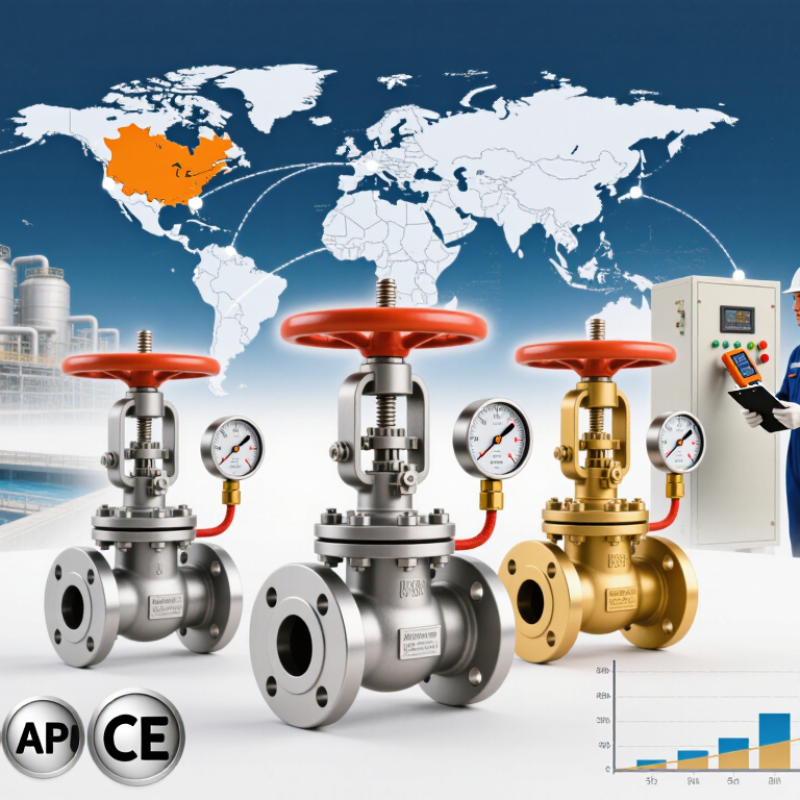
China’s electric valve manufacturing industry has developed through large-scale machining, assembly, and export experience. Factories now produce valves for water treatment, heating systems, energy projects, and industrial automation. Production often combines CNC machining, actuator assembly, wiring, and pressure testing. In supplier evaluations, buyers may see automated equipment beside manual inspection benches. Small details matter. A clean assembly area helps, but it does not prove long-term reliability.
Experienced manufacturers usually control material selection, dimensional accuracy, motor performance, and sealing quality. Each production batch should carry traceable inspection records. Testing may include pressure holding, leakage checks, electrical insulation, and repeated opening cycles. For outdoor installations, enclosure protection and corrosion resistance require careful verification. For high-temperature systems, seal materials must match actual operating conditions. Numbers can look convincing. Testing methods still need review.
Global buyers should request clear drawings, wiring diagrams, operating limits, and maintenance instructions before placing orders. Communication becomes easier when technical terms and acceptance criteria are agreed in writing. Many disputes begin with vague specifications, not poor machining. Sampling is useful, but one successful sample cannot represent every batch. Manufacturers also need to explain their correction process when defects appear. No production line is flawless. A reliable supplier records problems, investigates causes, and improves its process instead of hiding minor failures. Pricing deserves attention, yet replacement labor and downtime may cost more than the initial valve purchase.
| Product Category | Typical Valve Size | Common Pressure Range | Typical Temperature Range | Common Valve Materials | Typical Electric Actuator Features | Common Global Applications |
|---|---|---|---|---|---|---|
| Electric Ball Valve | DN15–DN300 (½–12 in) |
PN10–PN63 Class 150–300 |
Approximately −20°C to 180°C, depending on seat material | Carbon steel, stainless steel, ductile iron; PTFE or reinforced polymer seats | Quarter-turn operation; on/off or modulating control; manual override commonly available | Water treatment, HVAC, process skids, compressed air, chemical dosing |
| Electric Butterfly Valve | DN50–DN2000 (2–80 in) |
PN6–PN25 Class 150 |
Approximately −20°C to 200°C, depending on liner and disc material | Ductile iron, carbon steel, stainless steel; EPDM, NBR, PTFE or metal seats | Compact quarter-turn actuator; suitable for frequent cycling and large pipe diameters | Cooling water, municipal water, fire protection, wastewater, ventilation systems |
| Electric Gate Valve | DN50–DN1200 (2–48 in) |
PN10–PN420 Class 150–2500 |
Approximately −29°C to 425°C, depending on trim and packing | Cast steel, forged steel, stainless steel, ductile iron | Multi-turn actuator; designed mainly for fully open or fully closed service | Oil and gas, power generation, water transmission, steam and utility pipelines |
| Electric Globe Valve | DN15–DN400 (½–16 in) |
PN16–PN420 Class 150–2500 |
Approximately −29°C to 450°C, subject to material selection | Carbon steel, alloy steel, stainless steel | Multi-turn actuator; suitable for throttling and flow regulation when correctly sized | Steam control, boiler systems, refinery service, process and thermal-fluid systems |
| Electric V-Ball Valve | DN25–DN500 (1–20 in) |
PN10–PN40 Class 150–300 |
Approximately −20°C to 250°C, depending on seat and trim | Stainless steel, carbon steel, alloy steel; metal or soft seats | Quarter-turn operation; high-rangeability control; useful for fluids containing limited solids | Industrial process control, pulp and paper, mineral processing, chemical plants |
| Electric Diaphragm Valve | DN15–DN300 (½–12 in) |
PN6–PN16 Low-to-medium pressure service |
Approximately −10°C to 150°C, depending on diaphragm compound | Cast iron, ductile iron, plastic-lined bodies, stainless steel; elastomer diaphragms | Good isolation from the actuator and valve stem; available for corrosive or hygienic service | Corrosive chemicals, wastewater, slurry, pharmaceutical and food-processing systems |
| Electric Actuator | Torque-based selection from small quarter-turn to heavy multi-turn units |
Selected according to valve thrust or torque requirements | Common ambient rating: approximately −20°C to 70°C | Aluminium alloy, cast iron, carbon steel, stainless steel housings | 24 VAC/DC, 110 VAC, 220–240 VAC or 380–415 VAC options; limit switches and position feedback commonly available | Automated pipelines, HVAC controls, water plants, industrial equipment and remote stations |
| Ingress Protection | Not applicable to valve size | Not applicable to valve pressure rating | Depends on actuator enclosure and ambient conditions | Enclosure materials vary by duty and environment | IP65, IP67 and IP68 are common IEC 60529 enclosure ratings; verify the exact test conditions before outdoor installation | Indoor plants, outdoor pipelines, coastal sites and washdown areas, subject to the specified enclosure rating |
| Control and Feedback | Applicable across multiple valve sizes | Electrical requirements are independent of pressure class | Must remain within the actuator’s rated ambient temperature | Depends on actuator enclosure and terminal materials | Common interfaces include dry contacts, 4–20 mA position feedback, 0–10 V control and fieldbus options | PLC, DCS, SCADA and building-management-system integration |
| International Design References | Size designation normally uses DN or NPS | Pressure designation commonly uses PN or ASME Class | Temperature and pressure ratings must be checked together | Material identification should follow the applicable standard and purchase specification | ISO 5211 is commonly used for quarter-turn actuator mounting; IEC 60529 covers enclosure protection | API 608 for metal ball valves, API 609 for butterfly valves, API 600 for steel gate valves, and ASME B16.34 for pressure-temperature and design requirements |
| Export Documentation | Confirm DN/NPS, end connection and face-to-face dimensions | Confirm PN/Class, test pressure and allowable operating pressure | State the minimum and maximum operating temperature | Provide body, trim, seat, liner and sealing-material details | Include wiring diagram, motor voltage, duty cycle, enclosure rating, control mode and actuator torque data | Dimensional drawings, inspection records, pressure-test reports, certificates and installation manuals |
| Buyer Selection Priorities | Pipe size, flow coefficient and installation space | Pressure class, shut-off differential pressure and line-pressure conditions | Media temperature, ambient temperature and thermal cycling | Corrosion resistance, compatibility with the medium and required service life | Fail position, operating speed, duty cycle, manual override and signal compatibility | Compliance, spare parts availability, commissioning support and total cost of ownership |
| Reference note: The values shown are typical industry ranges and design references for product comparison. Actual limits vary by valve construction, pressure class, sealing system, actuator selection, medium and applicable certification requirements. Final specifications should be confirmed against the manufacturer’s datasheet and the project standard. | ||||||
Related Posts
-
China Best Electric Valve Suppliers for Global Buyers
-
What Is an Electric Valve and How Does It Work?
-
Discover Top Quality Electric Valves from Leading Manufacturers in China
-
Exploring the Impact of Motorized Valve Technology on Energy Efficiency in Industrial Applications
-
Understanding the Advantages of Electric Actuated Ball Valves in Modern Industrial Applications
-
2026 Best Motorized Valve Options for Global Buyers?