
What Is a Vertical Cartoning Machine Used For?
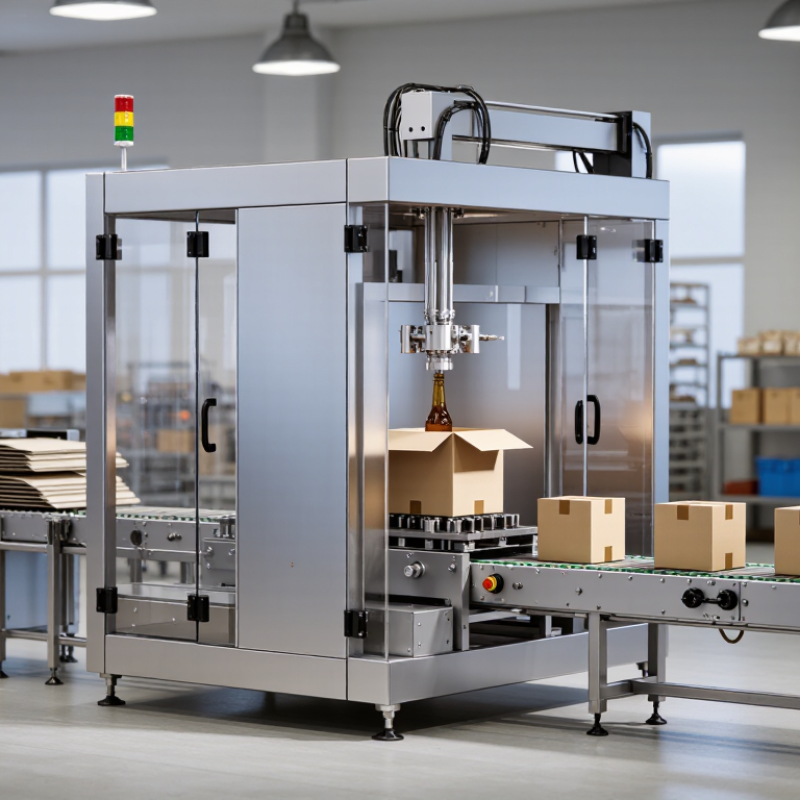
A Vertical Cartoning Machine is used to form flat carton blanks into packages, load products, and close the cartons. It is often installed near the end of a production line. The machine usually opens each blank, holds the carton upright, places a product inside from above, and folds or seals the flaps. This top-loading design can handle items such as bottles, jars, pouches, and trays, provided they fit the carton and can be fed consistently.
The name sounds straightforward, but choosing a machine takes more than matching carton dimensions. Product shape, loading method, required speed, and changeover needs all affect performance. Fit matters. In practice, manufacturers use cartoning equipment to reduce repetitive hand packing and create a more consistent presentation for shipping or retail shelves. Some lines also add leaflets or other inserts, depending on the machine’s configuration.
A useful assessment starts with real carton blanks and product samples. Teams can check whether items enter smoothly, flaps close cleanly, and changeovers suit daily production. Not every carton. A setup that works for a rigid bottle may struggle with a soft pouch or an unstable tray. That distinction is easy to overlook. Machine specifications should be confirmed with the supplier, including line integration, operator access, guarding, and cleaning requirements. Those details help explain what a vertical cartoner is used for—and where its limits may appear.
What a Vertical Cartoning Machine Does in Secondary Packaging
A vertical cartoning machine handles secondary packaging by placing already packed products into cartons. These products may include pouches, bottles, jars, blister packs, or small trays. The machine forms a flat carton, loads the product from above, and closes the carton with tuck flaps, glue, or another specified closure. The exact sequence depends on the carton design and product shape.
This top-loading method suits items that can be guided vertically without damage. Operators may feed products by hand, while automated lines use conveyors, counting systems, or pick-and-place units. Leaflets, dividers, and other inserts can be added when needed. Sensors may check carton presence, product position, and closure to catch empty or poorly formed packs. They help, but do not replace routine inspection.
In practical use, the machine connects primary packaging with case packing. A sealed pouch, for example, can be placed in a carton, closed, and conveyed to the next station. Changeovers matter: carton dimensions, flap style, product orientation, and loading speed all affect performance. A slight mismatch can cause jams or crushed edges. Not every product feeds cleanly. Testing filled packs and real cartons at normal line speed can reveal issues that a bench check misses. This step is easy to underestimate.
Which Products and Industries Use Vertical Cartoners
Vertical cartoners place products into cartons from a compact, upright footprint. They commonly package blister cards, small bottles, tubes, sachets, and folded product inserts. In food production, they handle tea bags, confectionery, snack bars, and portion packs. Personal-care lines use them for creams, soaps, and sample sachets. Pharmaceutical manufacturers may carton unit-dose packs and medicine bottles, where accurate counting and leaflet insertion matter. Small cartons, moving steadily.
The industries are varied, but the package format drives machine choice. A Grand View Research Pharmaceutical Packaging Market report estimated the global market at USD 124.4 billion in 2023. That figure covers many packaging formats, not cartoners alone; it signals the scale of a sector where reliable secondary packaging is important. Before selecting a machine, compare carton dimensions, product orientation, changeover frequency, and required line speed. Irregular products can interrupt feeding, even when the carton former runs smoothly.
Tips: Test real products and cartons at the intended speed. Check whether inserts, closures, or fragile packs need extra handling. One overlooked detail: frequent format changes can reduce output more than a modest speed limit.
How Cartons Are Erected, Filled, and Sealed
What Is a Vertical Cartoning Machine Used For?
How Cartons Are Erected, Filled, and Sealed
A vertical cartoning machine turns flat carton blanks into filled, closed packages. A blank is drawn from a magazine, opened into a carton shape, and held upright. The machine then loads a product through the open top. Depending on the setup, products may drop in by gravity or arrive on a guided feed system. Small bottles, jars, pouches, and folded items are common examples. The exact sequence varies by machine and package design.
After loading, the machine folds the carton flaps and closes them with adhesive or tuck-in tabs. Sensors can check carton position and detect some missing products or open flaps, but they do not replace routine inspection. Operators should confirm that blanks open cleanly and products enter without catching. A slightly bent flap can cause a jam; it is a small detail, but an easy one to overlook.
Tips: Match carton dimensions and product orientation to the machine before a run. Test a few cartons at a slow speed, then inspect the folds, seals, and print alignment. Keep the carton magazine evenly stocked. Still, setup can take a little trial and error, especially with a new carton style.
Typical Output: 30–60 Cartons per Minute, Depending on Model
A vertical cartoning machine forms cartons from flat blanks, holds each carton upright, then loads product from above or through an open end. It is often used for bottles, jars, pouches, small boxes, and grouped items that fit a carton. The carton is then closed with tuck flaps, glue, or another specified closure. In many lines, operators add inserts or leaflets during loading.
Typical output is 30–60 cartons per minute, depending on model. That range is a planning reference, not a promise. A compact unit handling larger cartons may run near the lower end; a faster configuration with steady, uniform products may approach the upper end. Carton dimensions, product orientation, blank quality, and closure method all affect actual speed. Small details matter.
The quoted rate usually counts completed cartons, not individual items inside them. A carton containing six units still counts as one carton. During a trial, measure sustained output over a realistic run, including replenishment and ordinary stoppages. Changeovers take time. A crooked blank, a difficult product feed, or frequent size adjustments can lower the average. Ask for a test using your actual cartons and products, and check that the rate remains stable across a full production period.
Key Specifications: Carton Size, Product Feed, and Changeover Needs
A vertical cartoning machine forms cartons upright, loads products, and closes each pack. Its usable range matters more than headline speed. Measure carton length, width, and depth using actual production samples, including flap overlap and board thickness. A carton that looks close on paper may snag at the magazine or fail to square cleanly. Small differences matter.
Product feed design should match the item’s shape and arrival pattern. Bottles may need spacing guides, while pouches can buckle if pushed too hard. Check whether products arrive single-file, in groups, or from an upstream line with brief gaps. Ask for a trial using real products and cartons. Watch for scuffs, skewed inserts, and missed picks, not just cartons per minute. Speed is not everything.
Changeover needs are easy to underestimate. If the line runs several carton sizes, note which rails, pockets, and folding parts need adjustment, and whether tools are required. Record changeover time with a trained operator; estimates may assume ideal conditions. A clear setup chart and marked handwheels can reduce guesswork, though they cannot correct poor carton quality. Leave room for learning.