
Top 10 Electric Valve Benefits for Industrial Applications You Should Know
In the rapidly evolving landscape of industrial automation, the adoption of electric valves has emerged as a transformative force across various applications. According to a recent report by Grand View Research, the global electric valve market is projected to reach $10.72 billion by 2025, growing at a compound annual growth rate (CAGR) of 6.5% from 2019. This remarkable growth is driven by the increasing demand for precise control and improved efficiency in manufacturing processes. Electric valves, known for their reliability and adaptability, play a crucial role in enhancing operational performance and reducing downtime in systems requiring precise flow control.
Industry expert Dr. Emily Chen, a leading authority in industrial automation, emphasizes the significance of electric valves, stating, "The integration of electric valves into industrial systems not only optimizes performance but also aligns with sustainability goals by minimizing energy consumption." As businesses seek smarter solutions to combat rising operational costs and environmental concerns, the advantages of electric valves become increasingly evident. Understanding the top benefits of these advanced control devices can empower industries to leverage their potential, marking a pivotal step towards achieving operational excellence in the coming years.
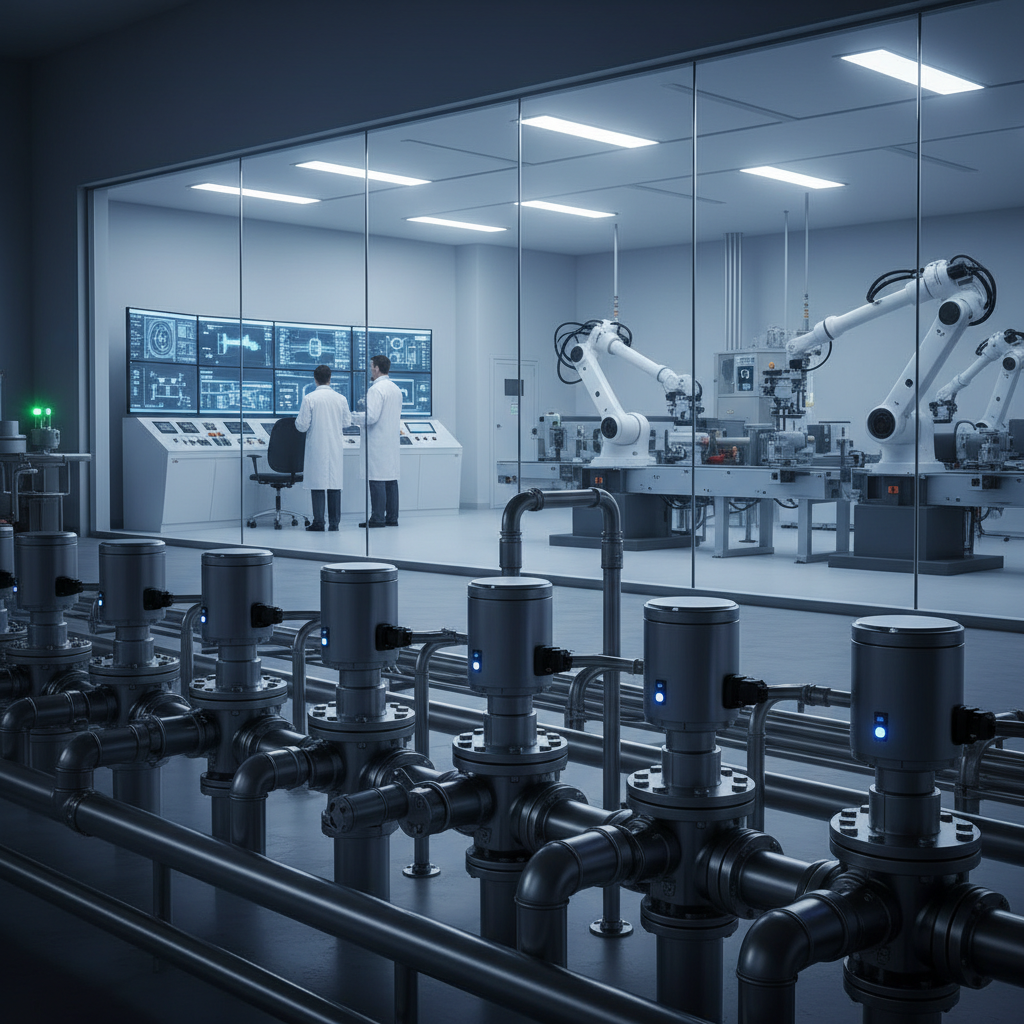
Key Advantages of Electric Valves in Industrial Settings
Electric valves play a crucial role in enhancing industrial processes, offering numerous advantages that make them a preferred choice over traditional mechanical valves. One key benefit is their precise control capabilities. Electric valves can be operated with pinpoint accuracy, allowing for exact flow regulation and improved system performance. This precision is particularly vital in applications requiring strict adherence to specifications, such as in chemical processing or food production, where maintaining certain parameters is critical for safety and quality.
Another significant advantage of electric valves is their ease of automation and integration into modern control systems. They can be easily interfaced with sophisticated monitoring and control software, enabling real-time data collection and remote operation. This connectivity not only streamlines operations but also facilitates predictive maintenance, thereby reducing downtime and maintenance costs.
Additionally, electric valves often come equipped with built-in features like position feedback and diagnostic capabilities, providing operators with valuable insights into the valve’s performance and the overall health of the system. This ensures optimal functioning and longevity, making electric valves an essential component in modern industrial settings.
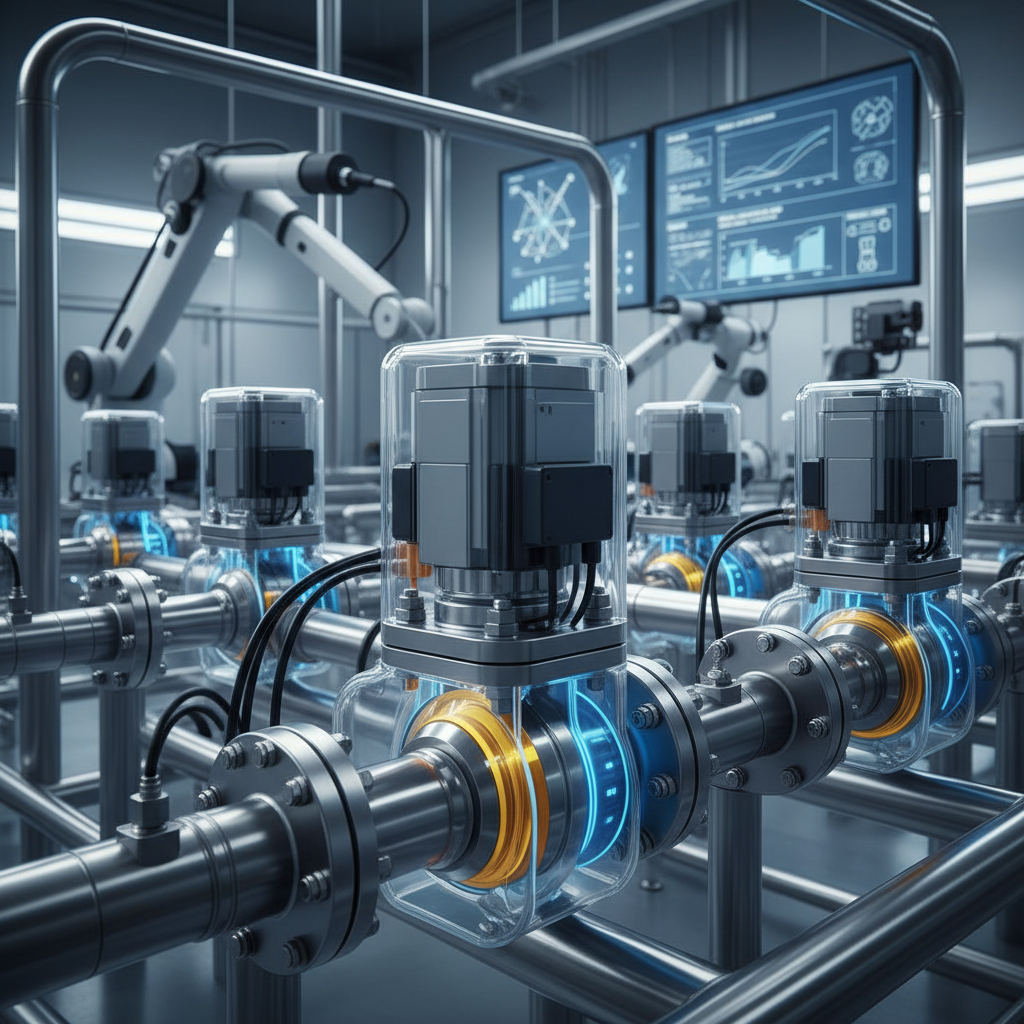
Enhanced Precision Control for Increased Operational Efficiency
Electric valves have revolutionized the way industries manage fluid control, particularly through their enhanced precision control capabilities. This advanced level of control allows for more accurate regulation of flow rates, pressures, and temperatures, which is crucial in maintaining optimal operational efficiency. By utilizing electric actuators, industries can achieve finer adjustments and quicker response times compared to traditional mechanical valves. This precision not only minimizes waste but also ensures that processes operate within the desired parameters, significantly reducing the risk of costly downtime or equipment failure.
Moreover, the consistency that electric valves provide in their operations enhances overall system reliability. With the ability to integrate smart technology and automation systems, industries can monitor and adjust valve positions real-time, leading to more informed decision-making. This not only streamlines processes but also supports predictive maintenance strategies, allowing plants to preemptively address potential issues before they escalate. As a result, the precision control afforded by electric valves contributes not only to immediate efficiency gains but also fosters a longer lifecycle for both equipment and systems within the industrial environment.
Reduced Maintenance Requirements for Lower Operational Costs
Electric valves are quickly becoming a key component in many industrial applications, primarily due to their reduced maintenance requirements compared to traditional mechanical valves. The elimination of mechanical linkage and moving parts significantly lowers wear and tear, resulting in less frequent repairs and replacements. With fewer components subject to failure, operations experience enhanced reliability and uptime, directly contributing to lower operational costs.
Furthermore, the integration of smart technologies in electric valves allows for real-time monitoring and diagnostics. This capability enables predictive maintenance, where potential issues can be identified and addressed before they lead to costly downtime. Such proactive measures not only streamline maintenance schedules but also extend the lifespan of the valves, further reducing the need for routine service. Overall, electric valves represent a strategic investment that enhances operational efficiency and minimizes the long-term costs associated with maintenance.
Improved Safety Features for Hazardous Environments
In industrial applications, safety is paramount, especially in hazardous environments where the risk of leaks, spills, or explosions can have catastrophic consequences. Electric valves are engineered with advanced safety features that significantly reduce these risks. One of the most notable advancements is the integration of fail-safe mechanisms. In the event of a power loss or system failure, these valves automatically revert to a predetermined safe position, preventing dangerous situations from escalating.
Moreover, electric valves often incorporate real-time monitoring and control systems that enhance situational awareness for operators. With capabilities such as remote monitoring and diagnostics, operators can track the status of the valves and receive alerts about any potential issues before they become critical. This proactive approach not only mitigates risks associated with hazardous materials but also ensures compliance with industry safety regulations. The ability to manage these valves from a distance means that personnel can maintain a safer distance from potential hazards, further enhancing the overall safety of industrial operations.
Top 10 Electric Valve Benefits for Industrial Applications
Integration Capabilities with Modern Automation Systems
The integration capabilities of electric valves with modern automation systems significantly enhance operational efficiency in industrial applications. These valves can be seamlessly connected to advanced control systems, allowing for real-time monitoring and adjustments based on process demands. This capability ensures that industries can respond swiftly to changing conditions, minimizing downtime and optimizing resource utilization.
Moreover, electric valves can facilitate the implementation of smart technologies, such as IoT (Internet of Things) solutions, which further bolster automation. The data collected from electric valves can be analyzed to provide insights into performance trends and maintenance needs, enabling predictive maintenance strategies. Such integration fosters a more connected and responsive industrial environment, paving the way for enhanced productivity and reduced operational costs.
Top 10 Electric Valve Benefits for Industrial Applications
| Benefit | Description | Integration Capability | Automation Compatibility |
|---|---|---|---|
| Precision Control | Electric valves provide accurate flow regulation, critical for process control. | Easily integrates with SCADA and PLC systems. | Supports advanced automation frameworks. |
| Energy Efficiency | Lower energy consumption compared to pneumatic actuated systems. | Compatible with energy management systems. | Facilitates integration with IoT platforms for monitoring. |
| Reduced Maintenance | Fewer moving parts lead to decreased maintenance requirements. | Integrates with predictive maintenance tools. | Supports condition-based monitoring systems. |
| Quick Response Time | Fast operation times improve system responsiveness. | Compatible with high-speed control systems. | Works well with real-time control applications. |
| Compact Design | Smaller size allows more flexible installation options. | Easily integrated into space-constrained areas. | Compatible with modern compact automation systems. |
| Enhanced Safety | Improves safety by reducing the risk of leaks and failures. | Integrates into safety management systems. | Supports safety protocols in automated environments. |
| Remote Operation | Allows for remote control and monitoring capabilities. | Can be integrated with remote access technologies. | Works with remote process control systems. |
| Versatility | Suitable for various fluids and conditions. | Can be tailored for specific industrial applications. | Compatible with diverse automated systems. |
| Data Feedback | Provides real-time data on flow and valve status. | Integrates with analytics platforms for data collection. | Works with data-driven automation frameworks. |
Conclusion
Electric valves have become increasingly vital in industrial applications due to their numerous advantages. These components provide enhanced precision control, which translates into increased operational efficiency by allowing for more accurate flow regulation. Furthermore, electric valves require less maintenance compared to traditional valve types, leading to lower operational costs over time.
In addition to cost savings, electric valves offer improved safety features, particularly in hazardous environments, minimizing risks associated with fluid handling. They also boast excellent integration capabilities with modern automation systems, facilitating seamless connectivity and control. Lastly, the sustainability benefits of electric valves contribute to more eco-friendly industrial processes, making them an essential choice for forward-thinking industries.
Related Posts
-
How to Choose the Best Motorized Valve for Your Industrial Needs
-
Why Choosing PVC Ball Valves Can Enhance Your Fluid Control Solutions
-
What Makes the Best PVC Ball Valve Ideal for Your Business Needs
-
What Defines an Actuated Ball Valve and Its Importance in Industrial Applications
-
What Makes a Pneumatic Ball Valve the Best Choice for Industrial Applications
-
Mastering the Basics of 3 Way Ball Valve Installation and Maintenance Guide