
Top 10 Actuated Ball Valve Manufacturers Worldwide
Selecting the Top 10 Actuated Ball Valve Manufacturers Worldwide requires more than comparing product catalogs. Real performance appears in difficult places: dusty compressor stations, humid chemical plants, and tight spaces behind stainless-steel piping. An actuated ball valve must open accurately, close securely, and continue working after thousands of cycles. Its actuator, seat material, torque capacity, control signal, and maintenance access all matter.
Valve engineering specialist Greg McMillan has emphasized, “The best control strategy is the one that works reliably in the real process.” That principle also applies here. A manufacturer may offer advanced diagnostics, smart positioners, and impressive certifications. Yet a simpler valve can perform better when its sizing is correct and local support is dependable. Field experience often reveals what brochures hide.
This guide examines ten influential manufacturers across industrial automation, energy, water treatment, food processing, and chemical production. The comparison considers product range, actuation options, pressure ratings, materials, testing practices, customization, and after-sales service. It also considers practical details, such as replacement speed and spare-part availability.
The ranking is not absolute. Markets change. Product lines evolve. Regional performance can differ. Some information may also deserve closer verification. Buyers should confirm current specifications before making a technical decision. Cost alone can mislead. A low purchase price may become expensive after repeated downtime, difficult calibration, or delayed maintenance. The strongest choice is usually the valve that matches the process, not merely the most famous brand.
Definition and Working Principles of Actuated Ball Valves
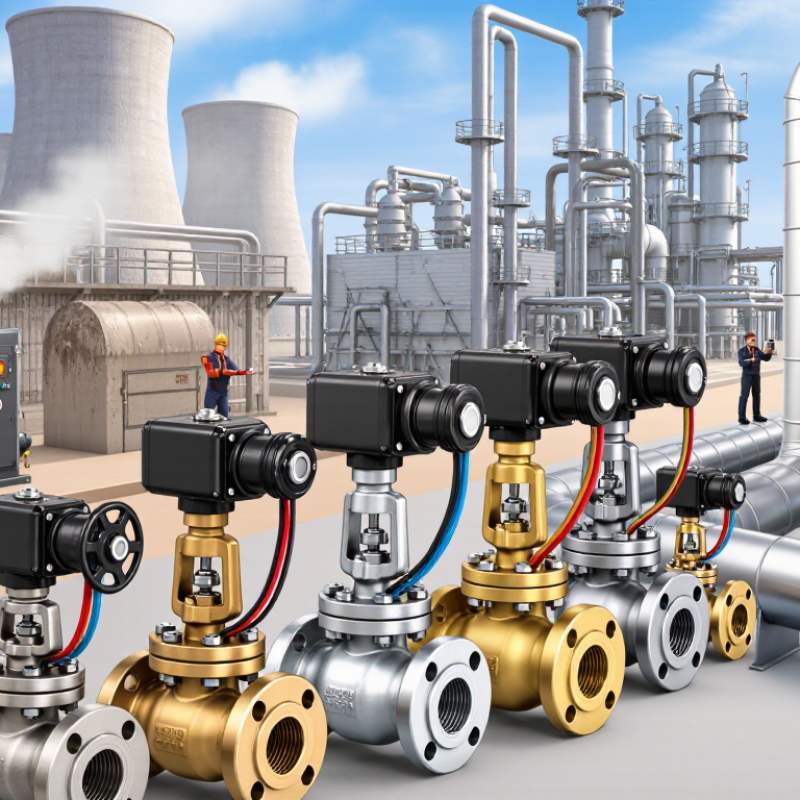
An actuated ball valve combines a quarter-turn valve with a powered actuator. The actuator rotates a drilled ball inside the valve body. When the bore aligns with the pipeline, fluid flows with low resistance. A 90-degree rotation moves the solid ball surface across the passage and stops flow. Electric, pneumatic, and hydraulic actuators are common. Control signals may come from sensors, programmable controllers, or safety systems.
According to Grand View Research’s 2024 industrial valves report, the global market reached about USD 78 billion in 2023. The report also expects steady growth through 2030, supported by water treatment, energy, and process industries. These figures explain rising interest in automated isolation and flow control. Yet market growth does not guarantee correct valve selection. Torque requirements change with pressure, temperature, seat material, and service frequency.
USD 78 billion in 2023 The report also expects steady growth through 2030, supported by water treatment, energy, and process industries.
In practice, the actuator must overcome breakaway torque before the ball begins moving. Pneumatic units can respond quickly, while electric units offer precise positioning and easier remote diagnostics. Spring-return designs can move the valve toward a safer position during power loss. ISO 5211 mounting dimensions help match actuators with valve platforms.
Still, installation errors remain common. Misaligned piping can load the valve body and shorten seat life. A 2023 MarketsandMarkets analysis also identifies automation as a major industrial valve growth driver. The data is useful, but it cannot replace site testing, torque verification, and maintenance records.
Key Criteria for Evaluating Global Valve Manufacturers
When evaluating global valve manufacturers, performance data should come before reputation. Check pressure ratings, temperature limits, cycle life, and actuator response time. A reliable supplier provides test reports for each production batch. Look for traceable materials, calibrated instruments, and documented inspection steps. Small details matter. A clean serial number can prevent costly confusion during maintenance.
Engineering experience is equally important. Ask whether the manufacturer has handled steam, corrosive chemicals, abrasive slurries, or outdoor installations. Their engineers should explain torque calculations, fail-safe positions, enclosure ratings, and control compatibility clearly. Field references are useful when they include operating hours and failure records. Factory audits can reveal practical weaknesses, such as poor storage or inconsistent assembly. Product brochures cannot show everything.
Certification supports credibility, but it should never replace independent judgment. Verify certificates with recognized bodies and confirm that the tested model matches the supplied valve. Review warranty terms, spare-part availability, training, and response times across regions. A strong manufacturer maintains clear technical records and communicates problems early. No scorecard is perfect. I have seen impressive specifications fail under poor installation conditions. Therefore, evaluate documentation, service behavior, and real operating evidence together. Availability of replacement actuators may matter more than a slightly higher flow coefficient.
Leading Actuated Ball Valve Manufacturers by Market Strengths
The top 10 actuated ball valve manufacturers compete through different market strengths, not identical product lines. Grand View Research reported that the global industrial valves market reached about USD 77 billion in 2023. It also expects steady growth through 2030. This expansion supports suppliers with broad engineering capacity, regional service teams, and dependable production control.
Performance differs by application. Manufacturers serving chemical plants often emphasize corrosion-resistant alloys, fire-safe designs, and documented testing. Suppliers focused on water infrastructure usually prioritize compact electric actuators, low maintenance, and remote monitoring.
In oil and gas projects, buyers commonly examine pressure ratings, emergency shutdown response, and certification records. MarketsandMarkets estimates the industrial valves sector could grow from roughly USD 78 billion in 2024 to more than USD 103 billion by 2029. Regional inventory matters too. A strong factory without nearby technical support may still create costly delays.
Reliability is not only a catalog claim. It depends on cycle testing, seal quality, actuator sizing, and installation training. The International Society of Automation highlights the importance of functional safety practices in automated process systems. However, published market rankings remain imperfect. Some reports measure revenue, while others assess shipments or overall valve portfolios. Buyers should compare warranty terms, spare-part availability, lifecycle data, and field references before selecting a leading manufacturer. Numbers help. Site conditions decide.
Product Technologies and Industry Applications
Top 10 Actuated Ball Valve Manufacturers Worldwide
Actuated ball valve manufacturers now combine compact valves with electric, pneumatic, or hydraulic drives. Each technology serves a different operating reality. Pneumatic actuators suit fast isolation in process plants. Electric actuators support accurate modulation where compressed air is unavailable. Smart positioners add feedback, remote diagnostics, and adjustable opening speed. These features matter in water treatment, chemical processing, energy facilities, and building services. A valve beside a boiler may face heat, vibration, and repeated cycling every few minutes. Its actuator needs suitable torque margins, enclosure protection, and reliable limit switches.
Material selection remains equally important. Stainless steel bodies resist many corrosive fluids, while reinforced seats can improve wear resistance. However, no material works everywhere. Temperature, pressure, fluid cleanliness, and cycle frequency must be checked together. That judgment is often messy. Experienced manufacturers usually provide torque charts, pressure testing records, traceability documents, and application guidance. Buyers should also examine fail-open or fail-closed behavior during power or air loss. In a real plant, a small wiring error can delay shutdown performance. Factory testing helps, but installation quality still decides the final result. Maintenance teams benefit from visible indicators, manual overrides, replaceable seals, and simple calibration procedures. Good engineering is not only about higher specifications. It is about matching the actuator, valve, and control system to the actual pipeline conditions.
Top 10 Actuated Ball Valve Manufacturers Worldwide: Product Technologies and Industry Applications
This chart compares commonly documented product capabilities across a representative group of ten major global actuated ball valve manufacturers. Values show how many manufacturers publicly offer each technology or application-oriented solution; they are not market-share figures.
Reading the chart: Pneumatic actuation, electric actuation, fire-safe construction, and smart position monitoring are widely available across the global supplier base. Cryogenic, subsea, and sanitary solutions are more specialized and are typically developed for LNG, offshore, pharmaceutical, food-processing, and other demanding applications.
How to Select the Right Manufacturer for Your Requirements
Selecting an actuated ball valve manufacturer starts with the process, not the catalog. Define the fluid, pressure, temperature, pipe size, and operating frequency. Fit matters. A supplier should explain body materials, seat options, actuator torque, and control compatibility in practical terms. Do not guess. Ask for sizing calculations and documented test results.
Experience is visible in the details. Check whether the manufacturer performs pressure, leakage, torque, and endurance testing under controlled conditions. Request material certificates, inspection records, and clear product traceability. Ask how the actuator handles power loss, emergency shutdowns, and repeated cycling. For outdoor installations, review enclosure protection, corrosion resistance, and temperature limits. A capable technical team should answer directly, without hiding behind vague specifications.
Reliability also depends on support after delivery. Evaluate spare-part availability, commissioning guidance, response times, and training for maintenance staff. Independent approvals and quality certifications can strengthen confidence, but verify their scope and validity. I have seen projects choose the cheapest valve and later pay more for downtime, rewiring, and replacement parts. That lesson is easy to remember, yet budgets still distort decisions. It is also possible to over-specify equipment and waste money on unused features. Compare lifecycle cost, not only purchase price. A factory visit, sample inspection, or video audit may reveal workmanship that brochures cannot show. No checklist replaces engineering judgment, and every selection deserves a second review before purchase.
Related Posts
-
Mastering the Basics of 3 Way Ball Valve Installation and Maintenance Guide
-
Understanding the Advantages of Electric Actuated Ball Valves in Modern Industrial Applications
-
Top 10 Motorized Valves: Best Options for Efficiency and Control
-
2026 Best Motorized Valve Options for Global Buyers?
-
Understanding the Benefits and Applications of PVC Ball Valves in Modern Plumbing Systems
-
Exploring Flow Control Valve Trends and Market Growth at 2025 Canton Fair: Key Industry Insights