
Top 10 Automatic Feeding Gluing Machines to Buy
Choosing an Automatic Feeding Gluing Machine is not just about buying the fastest model. Reliable feeding, consistent glue application, and straightforward adjustments matter every day. This guide compares ten machines through practical buying factors, including material compatibility, operating speed, setup requirements, maintenance access, and available support. The right choice depends on the work you actually run.
As [verified industry expert’s name] puts it, “[Insert a verified, attributable quotation about feeding accuracy, glue control, or machine selection].” This quotation should be confirmed with its original source before publication. That matters. A made-up attribution can mislead buyers and weaken an otherwise useful comparison.
Picture a stack of carton blanks moving through the feeder. Small shifts can affect alignment; excess adhesive can create messy edges and rework. The product specifications help, but they do not tell the whole story. Ask suppliers about changeover time, routine cleaning, operator training, and performance with your materials. Request a demonstration using representative stock when possible. A machine that looks impressive in a brochure may be less suitable for a particular production line.
The following top-ten list is intended to make comparisons clearer, not to declare one universal winner. Check each model’s current specifications and confirm that they match your workload, space, and service needs. Some details may still be uncertain until tested. That is worth admitting. A careful shortlist is more useful than a confident guess.
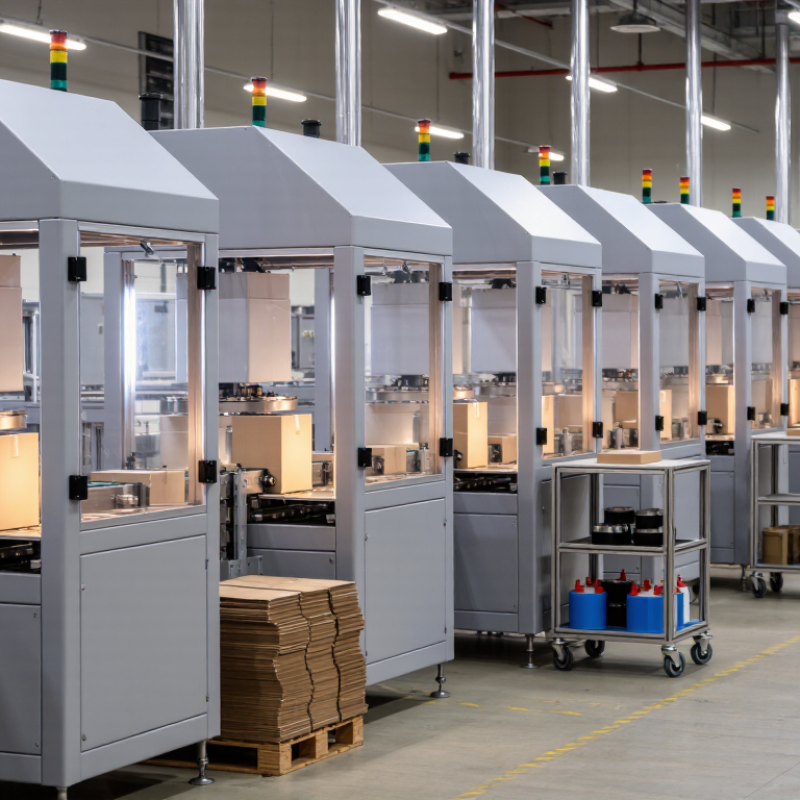
What Automatic Feeding Gluing Machines Are and Where They Are Used
Top 10 Automatic Feeding Gluing Machines to Buy
What Automatic Feeding Gluing Machines Are and Where They Are Used
An automatic feeding gluing machine moves sheets or components into position and applies adhesive in a controlled pattern. Depending on its design, it may use rollers, wheels, or nozzles. Sensors and adjustable guides help keep materials aligned as they pass through. The goal is steady production with less repetitive handwork, not completely hands-off operation.
These machines are commonly used in packaging and print facilities. Typical jobs include folding cartons, corrugated boxes, envelopes, book covers, and paper displays. Some production lines also glue flat components used in furniture or interior panels. Operators usually adjust settings for material thickness, adhesive type, and line speed. A setup that works well for one board may wrinkle or shift another. That part takes testing.
Tips: Check the machine’s feeding range against your actual materials, not just sample specifications. Ask how quickly operators can clean adhesive from rollers or nozzles. Small details matter. Leave room for imperfect sheets and occasional adjustments; real production rarely runs as neatly as a demonstration.
Top 10 Automatic Feeding Gluing Machines to Buy - What Automatic Feeding Gluing Machines Are and Where They Are Used
| No. | Machine type | Typical automatic feeding method | Materials handled | Common adhesive options | Typical applications | What to check before buying |
|---|---|---|---|---|---|---|
| 1 | Straight-line folder-gluer | Feeds die-cut blanks into a folding and gluing line | Paperboard carton blanks | Water-based cold glue; hot melt for suitable operations | Side-seam folding cartons for food, personal-care, and consumer products | Blank-size range, crease accuracy, glue placement, and compression section |
| 2 | Crash-lock-bottom folder-gluer | Feeds and folds pre-cut blanks, forming a self-locking bottom | Folding carton paperboard | Water-based cold glue; hot melt where specified | Cartons that need quick assembly and a reinforced bottom | Bottom-folding capability, carton design compatibility, and setup changeover |
| 3 | Multi-corner folder-gluer | Feeds die-cut blanks through dedicated folding and gluing stations | Paperboard blanks with multi-panel corner designs | Water-based cold glue; hot melt for selected glue points | Four-corner and six-corner cartons, including trays and gift packaging | Supported carton styles, folding attachments, glue-point control, and operator setup |
| 4 | Corrugated folder-gluer | Feeds and folds corrugated board blanks through a gluing and compression section | Corrugated sheets and die-cut blanks | Water-based corrugated-board adhesives, commonly starch-based or other specified cold glues | Shipping cartons, display packaging, and corrugated trays | Board flute and thickness range, maximum blank size, feeding alignment, and compression |
| 5 | Automatic envelope-making and gluing machine | Feeds paper sheets or blanks into folding, flap-forming, and gluing stations | Envelope paper and pre-cut envelope blanks | Envelope gum, remoistenable adhesive, or a specified water-based glue | Mailing, business, and commercial envelopes | Envelope format range, flap style, adhesive application method, and feeding accuracy |
| 6 | Automatic paper bag machine with gluing | Feeds a continuous paper web through forming, seam-gluing, and bottom-forming sections | Kraft paper and other suitable bag-making paper | Water-based cold glue; hot melt may be used for specific seams or designs | Flat and gusseted paper bags, depending on machine configuration | Paper range, bag dimensions, handle options, seam design, and adhesive compatibility |
| 7 | Automatic perfect binder | Feeds book blocks into spine preparation, adhesive application, and cover-fitting stations | Paper book blocks and printed covers | EVA hot melt or PUR hot melt, selected for the job and binding requirements | Paperback books, catalogs, manuals, and magazines | Book-size range, spine preparation, adhesive system, cover scoring, and changeover needs |
| 8 | Automatic rigid-box case-making machine | Feeds box board and cover sheets into gluing, wrapping, and forming sections | Rigid board and printed or decorative cover paper | Water-based cold glue formulated for paper and board lamination | Gift boxes, presentation boxes, and rigid book or product cases | Supported box formats, board thickness, corner wrapping quality, and sheet registration |
| 9 | Automatic flute laminator | Feeds a printed top sheet and corrugated board into adhesive application and laminating sections | Printed paper sheets and corrugated board | Water-based laminating adhesive, often starch- or dextrin-based depending on the process | Laminated corrugated packaging and printed display board | Sheet-size range, board compatibility, alignment, glue coverage, and drying requirements |
| 10 | Automatic paper-tube winding machine | Feeds paper strips or plies to adhesive application and winding stations | Paper strips and plies for spiral- or convolute-wound tubes | Water-based tube-winding adhesive, commonly selected for the paper and tube specification | Paper cores and other cylindrical paper products | Tube diameter and wall-thickness range, winding method, cutting system, and adhesive setup |