Why Do You Need a Water Valve for Your Home?

The importance of a water valve for your home cannot be overstated. Water valves are essential for controlling water flow and preventing leaks. According to a study by the American Water Works Association, nearly 14,000 gallons of water can be wasted each year due to leaks in average homes. This issue highlights the need for a reliable water valve system.

John Leighton, a leading expert in plumbing systems, emphasizes, "A functional water valve is your first line of defense against water damage." This statement rings true, as homes often suffer severe damage when water leaks go unchecked. A proper water valve can mitigate these risks significantly.

Many homeowners overlook valve maintenance, thinking it’s unnecessary until an emergency arises. Choosing the right water valve and ensuring it's in good condition is vital for any homeowner. Neglecting this aspect can lead to expensive repairs and inconveniences. Awareness and understanding of water valves should be a priority for everyone.
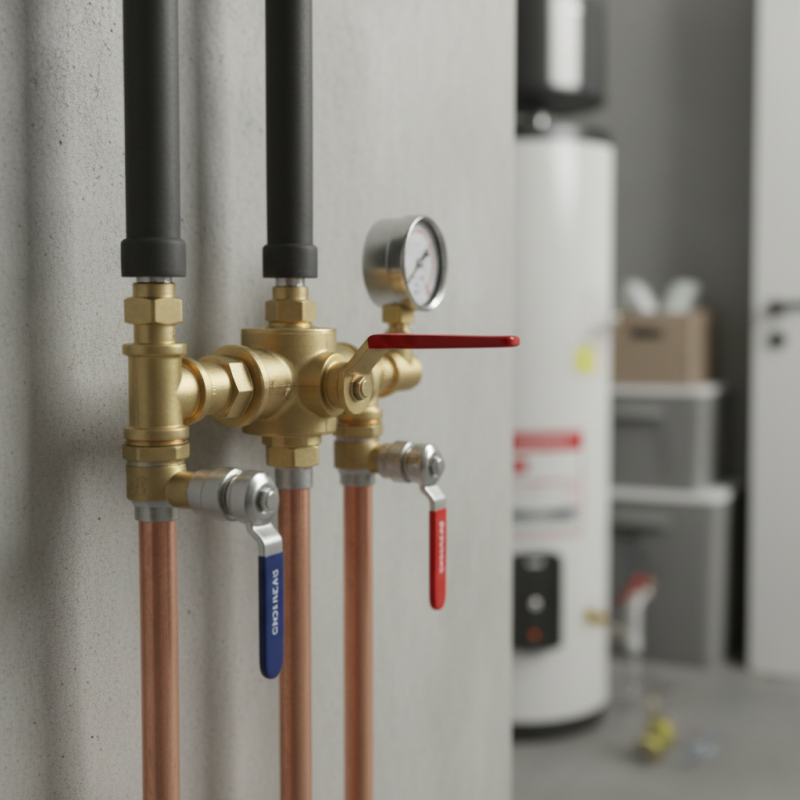
Why Do You Need a Water Valve for Your Home?

Understanding the Purpose of Water Valves in Home Plumbing Systems

Water valves play a crucial role in home plumbing systems. They control the flow of water to various fixtures in the house. Without them, managing water supply becomes chaotic. A study indicated that nearly 50% of plumbing issues arise due to improper valve usage. That's significant.

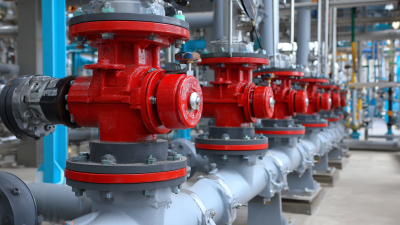
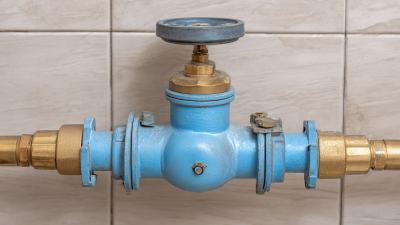
Different types of valves exist. Gate valves, ball valves, and globe valves serve different purposes. For instance, a ball valve allows quick shut-off. Homeowners often overlook routine maintenance of these valves. Neglecting them can lead to leaks. In fact, around 14,000 water main breaks occur daily in the U.S. This clearly shows the need to pay attention to valves.

Knowing where your main valve is located is essential. In emergencies, you need to act fast. Unfortunately, many individuals aren’t aware of their plumbing setup. This lack of knowledge can lead to disaster during leaks or bursts. Ensuring regular checks and understanding functionality can save both water and money in the long run.
Types of Water Valves Commonly Used in Residential Settings

Water valves play a crucial role in managing water flow in homes. Different types of valves cater to various needs. The most common types in residential settings include gate valves, globe valves, and ball valves. Each has its specific use and advantages.

Gate valves are often used for shutting off water completely. They are reliable but can be slow to operate. In some cases, these valves may require periodic maintenance to avoid seizing.

Globe valves, on the other hand, are designed for regulating flow. They are effective for controlling water pressure but can create turbulence in the flow, leading to energy loss. Studies show that improper use of these valves can result in increased water bills.

Ball valves are known for their quick operation. They provide a tight seal and can handle high pressure. However, they may not be suitable for applications requiring precise flow control. In addition, ball valves are not immune to wear over time, which might lead to leaks or inefficiency. Regular inspections can catch these issues early, saving homeowners from costly repairs.

How Water Valves Help Prevent Water Damage and Leaks

Water valves are essential for any homeowner. They play a crucial role in preventing water damage and leaks. Research shows that water leaks can cause significant damage, with costs averaging around $9,000 per incident. This is a staggering amount that can strain household budgets.

When a pipe bursts or a fixture fails, a water valve acts as the first line of defense. It can quickly shut off the water supply, minimizing potential damage. According to the Insurance Institute for Business & Home Safety, 37% of homeowners will experience a water damage incident. This statistic highlights the importance of proactive measures like installing water valves.

Regular maintenance is often overlooked. Many homeowners ignore checking their valves until a problem arises. Neglecting this task can lead to bigger issues. For instance, a small leak can escalate if not addressed promptly. Experts suggest checking your water valves annually to ensure they function correctly. Small, consistent efforts can save substantial costs and headaches later on. Investing a little time can yield great benefits in protecting your home from water-related disasters.

Tips for Installing and Maintaining Water Valves in Your Home

When installing water valves in your home, it's crucial to consider the materials you choose. Copper and PVC are popular options. According to industry reports, about 70% of homeowners prefer these materials due to their durability. However, improper installation can lead to leaks. A study found that over 30% of water damage claims involve poor valve installation.

Maintain your water valves regularly to ensure they function well. Check for corrosion and leaks at least once a year. Simple inspections can prevent costly repairs down the line. Data shows that routine maintenance can extend the lifespan of water valves by up to 25%.

Don’t overlook the importance of proper tools. Using the right equipment can make installation easier. However, many homeowners often skip this step. This oversight can lead to future issues. Consider consulting a professional if you're unsure about the installation process. Always remember, a small mistake can lead to significant problems.

When to Call a Professional for Water Valve Issues and Repairs

Why Do You Need a Water Valve for Your Home?

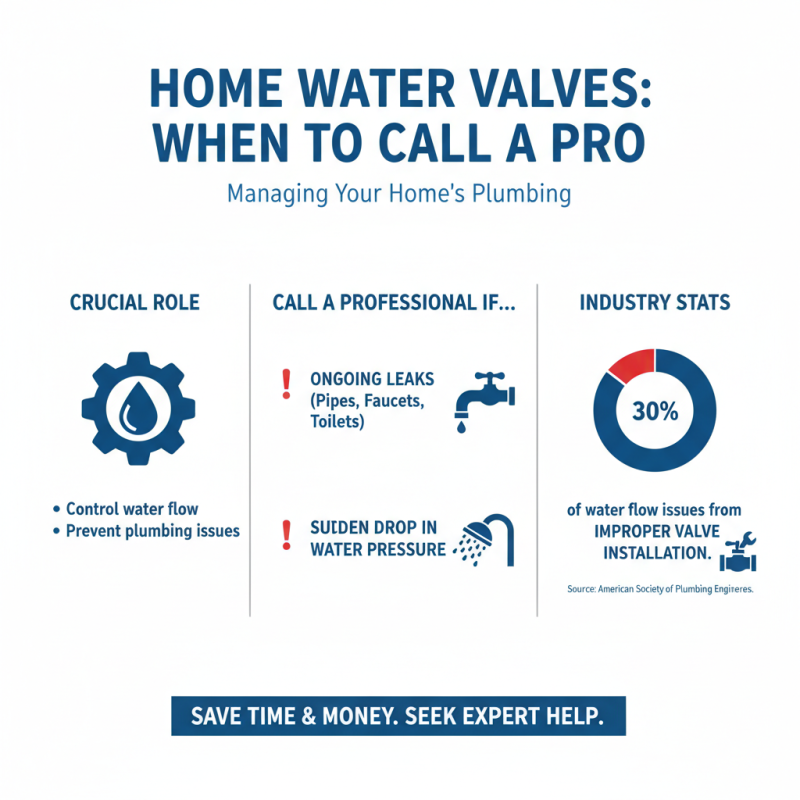
Water valves play a crucial role in managing your home's plumbing. Knowing when to call a professional can save you time and money. If you notice ongoing leaks or a sudden drop in water pressure, it’s time to seek help. According to the American Society of Plumbing Engineers, improper valve installation leads to about 30% of water flow issues.

If you detect rust or corrosion around a valve, don't ignore it. These signs can indicate bigger problems brewing within your plumbing system. In fact, the Environmental Protection Agency states that leaks from faulty valves can waste over 10,000 gallons of water per year. A single malfunction can lead to costly water damage and increased bills.

**Tip:** Regularly inspect your water valves for signs of wear. Address small leaks before they escalate.

In some cases, people try to fix valves without sufficient knowledge. This often leads to more damage. Professionals have the tools and expertise to handle complex repairs. Hiring an expert can be less stressful in the long run.

**Tip:** Know the location of your main water valve. Being informed can help you take action quickly during emergencies. Always prioritize safety in plumbing.