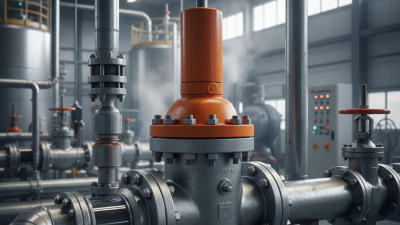
How to Choose the Right Plug Valve?
Choosing the right plug valve is a practical decision, not a catalog exercise. The wrong trim can seize in a sticky process line; an unsuitable lining may wear under abrasive flow. Small details matter. Port size, operating pressure, temperature, and the fluid’s chemistry all affect performance.
The scale of the market reflects how widely industrial valves are used. Grand View Research’s Industrial Valves Market report estimated the global market at USD 78.4 billion in 2023 and projected a 4.3% compound annual growth rate from 2024 to 2030. This broad estimate covers many valve types, not plug valves alone. Still, it points to the importance of specifying equipment carefully across industrial systems.
A good selection starts with the service conditions. Is the line carrying clean gas, viscous oil, or solids-laden slurry? Will the valve open and close occasionally, or cycle throughout each shift? These answers help narrow choices among lubricated, sleeved, and non-lubricated designs. Then check the pressure-temperature limits, materials, end connections, actuation needs, and applicable project specifications against the manufacturer’s documentation. Do not assume that a familiar design suits every duty. Real operating conditions can be messier than a datasheet suggests. This guide explains what to compare, which questions to ask suppliers, and where selection trade-offs deserve a second look.
Understand Plug Valve Design and Operating Principles
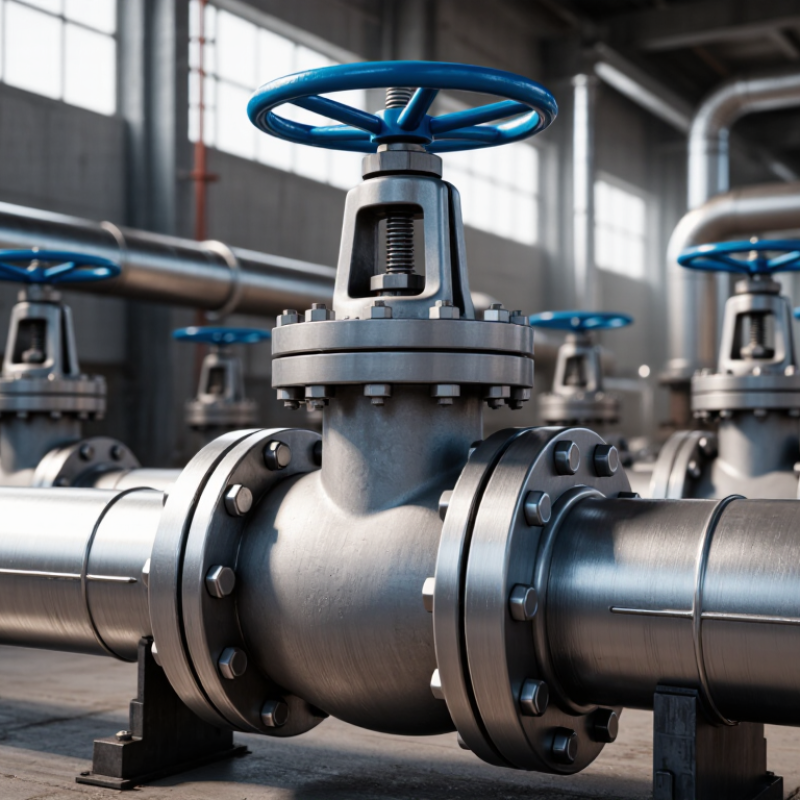
A plug valve controls flow by rotating a bored plug inside a valve body. In a typical quarter-turn design, a 90-degree rotation moves the plug port from open alignment to shut. Simple motion. But sealing depends on more than the handle position. Tapered plugs can wedge against the body; lubricated designs use sealant to reduce friction and help limit leakage. Sleeve-lined designs use a nonmetallic liner instead. API Standard 599 covers metal plug-valve construction, while ASME B16.34 sets pressure-temperature ratings according to material and service conditions. These references matter: there is no single pressure rating that fits every plug valve.
During operation, pressure difference, fluid properties, temperature, and deposits can all affect turning torque. A plug that feels stiff may need maintenance, but forcing it can damage sealing surfaces. Check the flow direction and port arrangement on the valve drawing; some designs are not interchangeable. ISO 5208 provides pressure-testing procedures and leakage criteria, so specify the acceptance requirement rather than relying on “bubble-tight” as an undefined promise. One practical detail is often overlooked: leave enough clearance around the stem and actuator for inspection and removal. Field conditions are rarely as tidy as drawings suggest.
Define the Requirements of Your Piping Application
How to Choose the Right Plug Valve?
Define the Requirements of Your Piping Application
Start with the fluid, not the valve. Record its composition, viscosity, temperature, pressure, and any suspended solids. A line carrying warm process water has different demands from one handling abrasive slurry. Note whether the valve will provide on-off isolation or regulate flow; many plug valves are better suited to isolation than precise throttling.
Check the pipe size, connection type, available installation space, and expected operating frequency. Consider pressure drops and the torque needed to turn the plug, especially in larger valves or systems with sticky fluids. Choose body, plug, and seal materials that suit the fluid and temperature range. Then verify the valve’s pressure and temperature ratings against actual operating conditions, including likely peaks. I have seen a selection look sound on paper, only for infrequent operation to expose a torque issue. That detail is easy to miss.
Tips: Write down normal and worst-case conditions before comparing valves. Include cleaning needs, maintenance access, and actuator preferences. If the fluid data is incomplete, pause and confirm it; a reasonable guess can still be wrong. Check the technical documentation and involve a qualified piping professional when the service conditions are uncertain.
Compare Plug Valve Types, Materials, and Port Designs
Plug valves differ in how they seal and handle wear. Lubricated designs use sealant to reduce friction and help close against pressure. Non-lubricated sleeve valves use a soft lining around the plug, while eccentric designs lift the plug during rotation to reduce rubbing. Each solves a different problem. For frequent cycling or dirty service, check the manufacturer’s pressure, temperature, and maintenance limits rather than choosing by valve type alone.
Material selection starts with the fluid and operating conditions. Stainless steel suits many corrosive services, but some chemicals can still attack it. Carbon steel may work for compatible, less corrosive fluids; liners and sleeves such as PTFE can add chemical resistance. Check compatibility at the actual temperature, not just at room temperature. Small details matter.
Port design affects flow. A full-port valve offers a passage close to the connected pipe’s inside diameter, which can reduce restriction. Reduced-port designs are often more compact, but may increase pressure loss. Multiport valves can direct flow between lines, though their internal paths need careful review. Compare connection size, flow rate, solids, shutoff needs, and available space. A catalog chart may not capture the whole installation; that is easy to overlook.
Assess Pressure, Temperature, and Compatibility Ratings
How to Choose the Right Plug Valve?
Assess Pressure, Temperature, and Compatibility Ratings
Start with the valve’s actual operating conditions, not just the pipe size. Check both working pressure and differential pressure across the valve. A pressure rating can change as temperature rises, so compare the rating table at your expected operating temperature. Leave room for brief pressure spikes, too. They happen.
Temperature affects more than the valve body. Plug sleeves, seals, and lubricants may have different limits. Consider cold starts, hot cleaning cycles, and temperature changes during the day. A valve that handles steady heat may not suit repeated thermal swings. Small details matter.
Check every wetted material against the fluid, including its concentration and any suspended particles. A fluid may be compatible with the body but still swell a sleeve or wear a seal. Review the technical data for pressure, temperature, and material limits, and confirm that the stated ratings apply to your service conditions. If the fluid or duty cycle is uncertain, ask a qualified supplier or engineer to review the details. A pressure number alone can feel reassuring, but it leaves out important context. Not always obvious. Recheck the assumptions before ordering.
How to Choose the Right Plug Valve? Assess Pressure, Temperature, and Compatibility Ratings
Reference pressure ratings for ASTM A216 Grade WCB steel valves at 100°F (38°C), by ASME pressure class.
Ratings shown are ASME B16.34 reference values at 100°F; allowable pressure changes with temperature and material group. Confirm the valve’s certified pressure-temperature rating and check body, seat, and seal compatibility with the process fluid before selection.
Check Standards, Maintenance Needs, and Total Cost of Ownership
How to Choose the Right Plug Valve?
Check the standards that apply to your service before comparing valve prices. Confirm the required pressure and temperature ratings, body and plug materials, and testing documentation. Requirements can differ across industries and operating conditions, so a familiar specification may not cover every detail. Ask for traceable test records and material information. That matters.
Maintenance needs deserve equal attention. A valve handling sticky or abrasive media may need more frequent inspection than one used with clean fluids. Check whether the design allows practical access to the plug, seals, and lubrication points. Consider how the valve will be isolated and serviced in your actual pipe layout. A cramped installation can turn a routine repair into hours of downtime. Small details count.
Estimate total cost of ownership, not just the purchase price. Include installation, replacement parts, labor, inspection intervals, and the cost of unplanned shutdowns. For example, a valve that takes two technicians and a full shift to service may cost more over time than its invoice suggests. Still, precise maintenance forecasts are difficult; actual wear depends on media, cycling, and operating practice. Compare realistic scenarios, and leave room for what you do not yet know.
How to Choose the Right Plug Valve? - Check Standards, Maintenance Needs, and Total Cost of Ownership
| Plug Valve Configuration | Typical Strengths and Limits | Common Service Fit | Maintenance Considerations | Standards and Checks | Total Cost of Ownership Factors |
|---|---|---|---|---|---|
| Lubricated plug valve | A lubricant injected between the plug and body helps seal the valve and reduce operating friction. Lubricant compatibility and pressure limits must be checked for the specific design. | May suit higher-pressure duties and some services where a compatible lubricant can be used. Confirm suitability for the fluid, temperature, and operating frequency. | Periodic lubrication may be required, along with checks of injection fittings, seal condition, and operating torque. The maintenance interval depends on service and valve design. | Check whether API 599 applies to the specific metal plug valve. Also verify the project’s pressure-design, end-connection, fire-testing, and emissions requirements where applicable. | Consider purchase price, lubricant use, labor and access for injection, and the cost of unplanned downtime. TCO can be favorable where the design fits the duty and maintenance is planned. |
| Sleeved non-lubricated plug valve | A polymer sleeve provides the sealing surface and typically avoids routine sealant injection. Sleeve material can limit allowable temperature, pressure, or chemical exposure. | Often considered for clean fluids and services where the selected sleeve material is compatible with the process media. | Inspect for sleeve wear, swelling, chemical attack, and changes in operating torque. Confirm whether the sleeve can be replaced and whether in-line maintenance is possible. | Verify the valve’s design standard and pressure-temperature rating rather than assuming a metal-valve standard covers every sleeved design. Check material compatibility and connection dimensions. | Routine lubrication costs may be lower, but sleeve replacement, compatible-material availability, and process downtime can drive lifecycle cost. |
| Eccentric plug valve | The offset plug moves away from the seat during opening, which can reduce sliding contact. Seat and plug materials determine wear resistance and shutoff performance. | Commonly evaluated for wastewater, sludge, and some slurry or throttling duties. Confirm solids handling, shutoff requirements, and flow conditions with the valve supplier. | Check seat and plug wear, actuator torque, and the effects of abrasive or fibrous material. Maintenance access and replaceable trim can affect repair time. | Confirm the applicable product and project specifications, pressure rating, materials, and end connections. Do not assume pipeline-valve standards apply to every eccentric design. | Compare initial cost with expected seat or trim replacement, inspection frequency, actuator sizing, and the operational cost of service interruptions. |
| Lined plug valve | A corrosion-resistant lining can isolate wetted valve surfaces from some aggressive fluids. Lining material and construction impose service-specific temperature, pressure, and vacuum limits. | May be appropriate for corrosive chemical duties when the lining and seals are compatible with the fluid and operating conditions. | Inspect for lining damage, permeation, chemical attack, and wear at sealing areas. Follow the manufacturer’s limits for inspection, repair, and thermal cycling. | Check the lining material’s chemical-resistance data and the valve’s documented design limits. Verify applicable pressure, testing, and connection requirements for the complete assembly. | Initial cost may be higher than an unlined option. Compare expected lining life, inspection and replacement costs, spare-part lead time, and the consequences of corrosion-related failure. |
Selection note: API 599, API 6D, ISO 14313, ASME B16.34, and ASME B16.5 cover different valve types or design and connection topics; their applicability depends on the valve, service, and project specification. Treat cost comparisons as qualitative: obtain duty-specific quotations and include purchase, installation, maintenance, energy or actuation, spare parts, and downtime in the total cost of ownership.
Related Posts
-
Why Choose Plug Valves for Your Industrial Applications?
-
Global Excellence in Control Valve Manufacturing China Leads the Way
-

How to Choose the Right Pneumatic Control Valve for Your Industrial Needs
-
Innovative Technologies Shaping the Future of Best Pneumatic Ball Valve Solutions and Strategies for Global Procurement
-
Why Choosing PVC Ball Valves Can Enhance Your Fluid Control Solutions
-
Top 5 Motorized Valve Options for Global Buyers?