What is a flow control valve and how does it work?

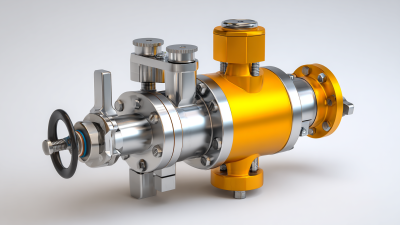
In the world of fluid dynamics, the "flow control valve" plays a critical role. According to Dr. Emily Carter, an expert in hydraulic systems, "A flow control valve is essential for regulating fluid movement effectively." This device ensures that systems operate smoothly, preventing unwanted pressure buildup and flow rate issues.

Flow control valves come in various types, each designed for specific applications. They can be found in hydraulic systems, irrigation setups, and even in industrial machinery. Understanding how these valves function helps engineers minimize operational costs and improve efficiency.

Despite their importance, not all flow control valves perform at peak efficiency. Some users overlook maintenance, leading to performance drops. Regular checks and calibrations are vital to ensure these devices work as intended. Inconsistent flow rates may reflect the need for better understanding and care in valve selection and usage.
What is a flow control valve and how does it work?

Definition of a Flow Control Valve and Its Purpose

A flow control valve is a crucial component in many hydraulic and pneumatic systems. It regulates the flow of liquids or gases, ensuring they move at the desired rate. By controlling this flow, it helps maintain system pressure, temperature, and efficiency. A well-functioning valve can prevent leaks and reduce the risk of system failures.

These valves operate using various mechanisms. Some use a simple adjustable orifice, while others may employ sophisticated electronic controls. The design often influences how precisely a valve can manage flow. It’s important to choose the right type for specific applications. However, improper selection of these valves can lead to inefficiencies.

Troubleshooting a flow control valve often reveals design flaws. Sometimes, they may not close properly, causing backflow or pressure drops. These issues require careful diagnostics and realignment. Often, users overlook regular maintenance. Neglecting this can lead to unexpected breakdowns and costly repairs. Every system is a learning process, and recognizing where improvements can be made is essential.
Types of Flow Control Valves and Their Applications

Flow control valves play a crucial role in various industries. They regulate fluid flow, ensuring systems operate smoothly. There are several types of flow control valves, each designed for specific applications.

One common type is the globe valve. It is ideal for throttling flow, making it suitable for applications requiring precise control. Another popular option is the needle valve, which allows for very fine adjustments. This is useful in laboratory settings where accuracy is essential. The ball valve, known for its quick shut-off capability, is perfect for on-off control in pipelines.

Tip: Always consider the fluid’s temperature and pressure when choosing a valve type. This can affect performance and longevity.

In the realm of flow control, the choice isn't always clear-cut. Each valve type has its pros and cons. For instance, while globe valves provide good control, they can create significant pressure drops. A balance must be struck between control and efficiency.

Tip: Regular maintenance can extend the lifespan of your valves. Inspect seals and connections to avoid leaks and failures.

Understanding the specific needs of your application is vital. This ensures optimal performance and reliability. Don't overlook the importance of selecting the right flow control valve for your systems.

Working Principle of Flow Control Valves Explained

Flow control valves play a vital role in managing fluid flow in various systems. They regulate the flow rate by adjusting the size of the opening through which the fluid passes. This simple yet effective mechanism helps in maintaining pressure and ensuring that equipment operates efficiently. A flow control valve can be manually operated or automated, allowing for greater precision in different applications.

The working principle of flow control valves is rooted in their design. As fluid enters the valve, it encounters an adjustable orifice. Adjusting this orifice changes the flow rate. If the orifice is wider, more fluid can pass. Conversely, narrowing the orifice restricts the fluid flow. This principle can be applied in various systems, such as hydraulic circuits or irrigation systems.

One common mistake is not properly adjusting the valve according to the system's needs. Overly restricting flow can lead to pressure buildup and potential damage. Furthermore, improper installation may result in inefficient fluid management. It's crucial to reflect on these aspects when implementing flow control valves. Understanding these nuances can significantly enhance their effectiveness and prolong the lifecycle of connected equipment.

Key Components of Flow Control Valves and Their Functions

What is a flow control valve and how does it work?

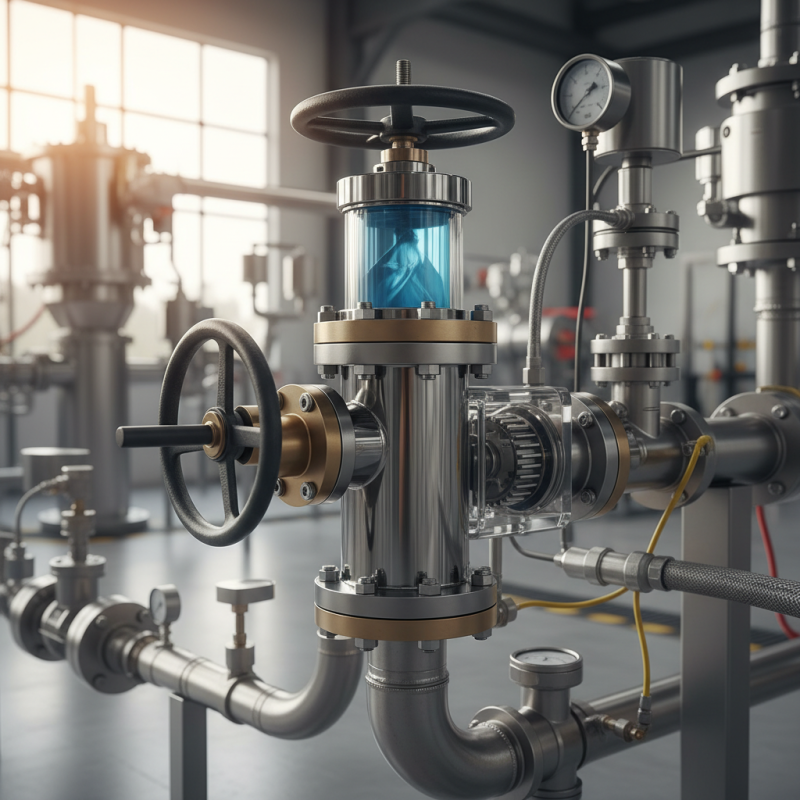
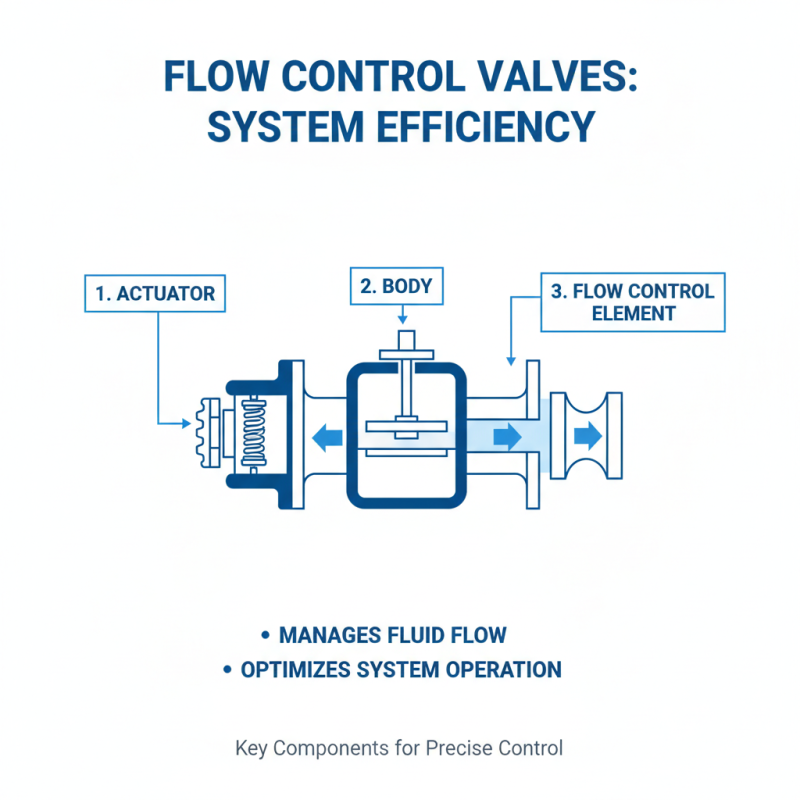
Flow control valves are essential in managing the flow of fluids in various systems. Their design ensures that systems operate efficiently. Key components of these valves include the actuator, body, and the flow control element. Each plays a significant role in the valve’s operation.

The actuator is often a mechanical or electrical device. It opens or closes the valve to regulate fluid flow. The body contains the flow passage and connects to the piping system. This ensures a secure fit and maintains pressure. The flow control element, such as a disk or a cage, dictates how much fluid can pass through.

Understanding these components requires attention to detail. Improper installation can lead to leaks or inefficiencies. It’s crucial to select the correct flow control valve based on application needs. Sometimes, people overlook this step, causing future issues. Regular maintenance checks can help identify potential problems early on. Remember, the complexity of managing fluid dynamics requires a thoughtful approach.

Common Issues and Maintenance Tips for Flow Control Valves

Flow control valves are crucial for regulating the flow of fluids in various systems. However, they can face several common issues. One frequent problem is clogging. Dirt and debris can build up inside the valve, which restricts flow. Regular cleaning can prevent this issue and ensure smooth operation. Another common problem is wear and tear. Over time, the internal components can degrade, leading to leaks. Inspecting the valve regularly helps catch these issues early.

Maintenance tips are essential for prolonging the life of flow control valves. Start with routine checks for any signs of wear. Look for leaks or irregular operation. Lubrication is vital for moving parts. It helps reduce friction and prevents premature failure. If the valve isn’t responding well, it may need recalibrating. This simple action can greatly improve performance.

Sometimes, unexpected symptoms arise, like unusual noises or vibrations. These signs should not be ignored. They can indicate deeper issues that require immediate attention. Maintaining a steady schedule for inspections helps address these problems proactively. Ignoring maintenance can lead to costly repairs down the line.