Top 5 Control Valve Tips for Efficient Purchasing Choices?

In the world of industrial automation, control valves play a pivotal role in regulating flow and pressure. As John Smith, a leading expert in control valve technology, once stated, "Selecting the right control valve is crucial for optimizing system performance." Many industries rely heavily on these components, yet the purchasing process can be daunting.

A well-informed decision can lead to efficiency and cost savings. However, it's common for buyers to make choices based on incomplete information. Many overlook key factors such as material compatibility and operational requirements, which can lead to costly mistakes. Control valve selection is not just about the price tag.

Understanding your specific needs is essential. Emphasizing quality over cost can help ensure longevity and reliability. Buyers should reflect on their past decisions and recognize patterns in their purchasing behavior. After all, a suitable control valve can significantly enhance operational efficiency and reliability.
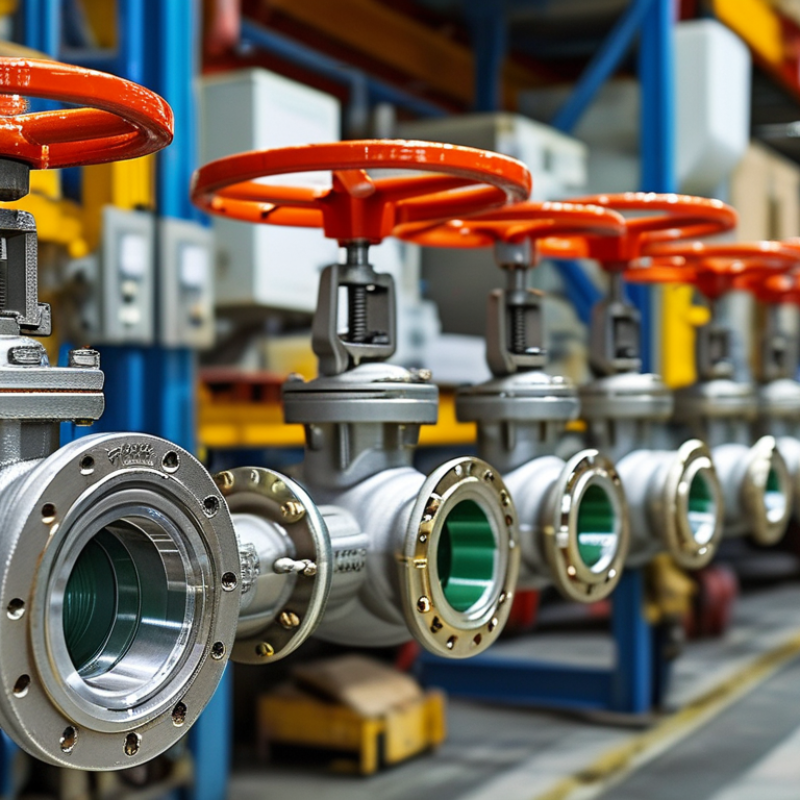
Top 5 Control Valve Tips for Efficient Purchasing Choices?

Understanding Control Valve Types and Their Applications in Industry

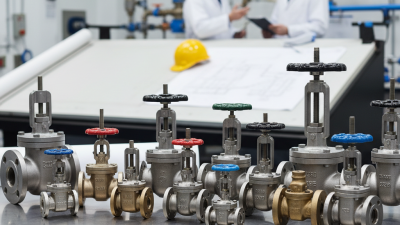
Control valves are essential components in various industrial applications. They regulate fluid flow, pressure, and temperature. Understanding the different types of control valves is crucial for making informed purchasing decisions. For instance, globe valves excel in flow regulation, while ball valves provide excellent shut-off capabilities. This knowledge aids in achieving operational efficiency.

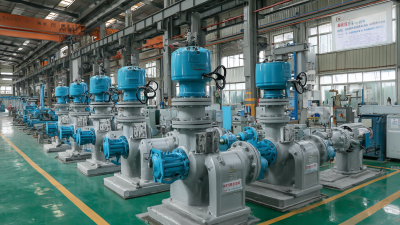
In industries like oil and gas, selecting the right valve type is vital. The wrong choice can lead to significant inefficiencies. Actuated valves are often used in automation, while manual valves are suited for simpler operations. Each application may demand different materials, such as stainless steel or PVC, depending on the fluid type and conditions.

It's not uncommon to overlook maintenance needs when selecting valves. Regular inspection and service can prevent unexpected downtime. Many professionals find themselves reflecting on past choices regarding valve types and materials. This ongoing learning process shapes better purchasing strategies and enhances overall system performance. Being aware of both strengths and weaknesses in available options is essential for sound decision-making in the control valve market.

Top 5 Control Valve Types and Their Applications

Evaluating Control Valve Specifications: Key Metrics and Standards

When purchasing control valves, evaluating specifications is crucial. A focused inspection of key metrics helps ensure efficiency and reliability. Important specifications include pressure rating, flow coefficient, and temperature limits. These metrics define a valve's performance in specific applications. Always check how these relate to your operational environment.

Tip: Consider the flow coefficient, or Cv value. This indicates how much fluid can pass through the valve at a specific pressure drop. A higher Cv means better performance in demanding applications. Match the Cv to your system’s requirements for optimal functionality.

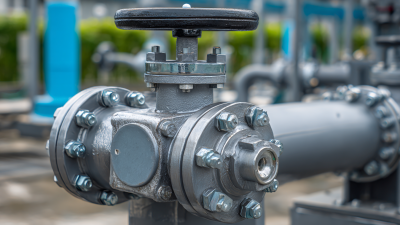
Also, look into the materials used in construction. The choice of materials affects durability and compatibility with various fluids. Stainless steel and brass are popular but may not suit all environments. Identify potential corrosion and pressure factors. Make informed material choices based on your operational conditions. This is essential for long-term reliability.

Finally, check for compliance with industry standards. Compliance ensures that the valve meets necessary safety and performance benchmarks. Look for certifications relevant to your industry. Knowing these standards can prevent purchasing mistakes and enhance operational efficiency.

Cost-Benefit Analysis: Long-term Savings from Quality Purchases

When considering control valve purchases, it's vital to conduct a thorough cost-benefit analysis. Quality valves may have a higher initial price. However, they often lead to significant long-term savings. Investing in durable products reduces the need for frequent replacements. This not only cuts costs but also minimizes downtime in operations.

A smart purchasing choice takes into account the lifecycle costs. High-quality valves offer better performance and reliability. They tend to experience fewer failures. This means less maintenance and fewer unexpected shutdowns that can affect productivity. It's crucial to analyze how each valve performs under different conditions. Some valves might excel in specific environments but fail in others.

Think about the experience of past purchases. Have lower-cost options created more problems than savings? Sometimes, a cheap valve can lead to costly repairs down the line. Reflecting on these experiences helps in making more informed choices in the future. Balancing cost against reliability is essential for sustainable operations. Quality products can be an investment with substantial returns.

Supplier Reputation and Quality Assurance in Control Valve Selection

In the realm of control valve selection, supplier reputation plays a crucial role in ensuring reliability and performance. Research indicates that 82% of organizations prioritize supplier reputation when evaluating potential vendors. A trusted supplier often signifies a commitment to quality assurance and consistent delivery of high-performance products. Factors like certifications, longevity in the market, and customer feedback should be scrutinized to determine a supplier's track record.

Quality assurance processes can significantly impact the lifecycle of control valves. According to a recent report from an industry expert, approximately 30% of valve failures are attributed to manufacturing defects. This highlights the necessity of working with suppliers who implement stringent quality controls. Conducting due diligence by reviewing industry certifications like ISO standards is essential for evaluating a supplier's quality assurance practices. Additionally, engaging with previous clients of the supplier can provide valuable insights into their reliability.

While many suppliers claim excellence, not all can substantiate their claims with data. Some may excel in certain aspects while falling short in others, revealing a need for careful assessment. It is vital to consider not just the lowest price but also the total value provided, including reliability and support services. Balancing cost with quality ensures a satisfactory and efficient purchasing choice for control valves.

The Role of Industry Certifications in Control Valve Performance Reliability

When selecting control valves, industry certifications play a vital role. These certifications ensure the valves meet specific performance and safety standards. For instance, valves that comply with recognized certifications are typically more reliable. This reliability can lead to improved operational efficiency and reduced downtime in various industries.

However, not all certified valves are equal. Variations in testing methods and standards can affect valve performance in real applications. It's essential to research which certifications truly reflect the valve’s capabilities. Also, understanding the real-world implications of these certifications can be challenging.

While certifications are helpful, they are not a guarantee of superior performance. It's crucial to consider how the valve will be utilized in specific environments. Some certifications may not address all operational conditions. Evaluating detailed performance metrics alongside certifications can help in making informed purchasing choices. Always question the relevance of a certification to your particular application before making a decision.

Top 5 Control Valve Tips for Efficient Purchasing Choices

Tip Importance Considerations Industry Certifications Reliability Impact
Identify the Right Type High Size, flow requirements ISO 9001 Ensures proper functionality
Consider Material Compatibility High Corrosion resistance API 607 Prevents failures
Check for Performance Ratings Medium Flow characteristics ANSI/ISA 75.02 Ensures expected performance
Evaluate Sizing and Selection Tools Medium Accurate calculations CE Marking Improves reliability
Invest in Quality Assurance High Testing standards ISO/TS 16949 Enhances longevity