
Why Are Control Components Essential in Automation Systems?
Control Components play a crucial role in automation systems. In the era of Industry 4.0, the integration of advanced control components has increased significantly. According to a report by MarketsandMarkets, the global automation control systems market is expected to reach $20 billion by 2025. This growth highlights the importance of efficient control components in maintaining productivity and operational safety.
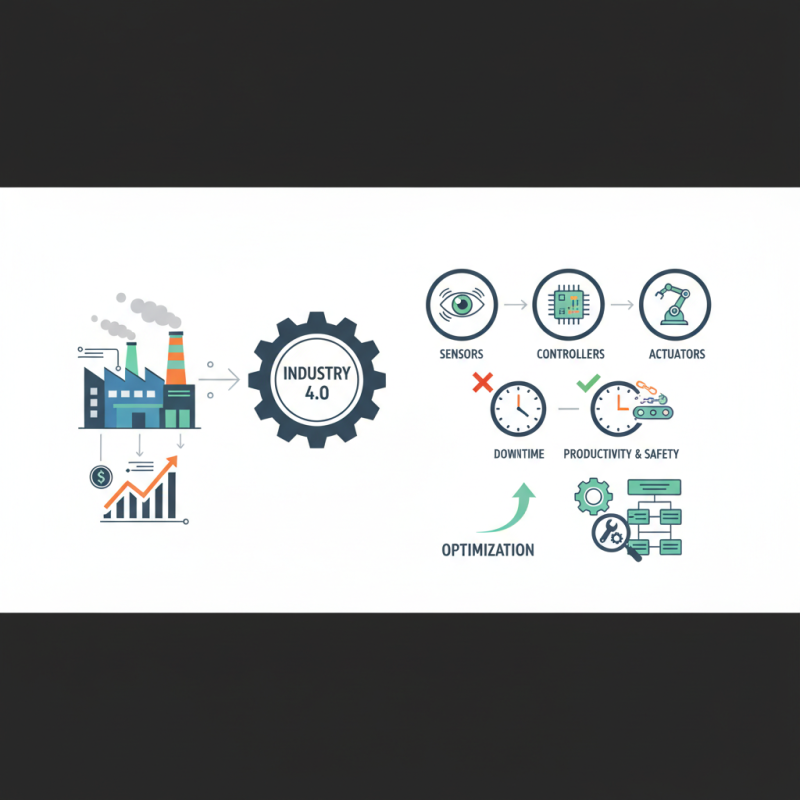
These components include sensors, controllers, and actuators. They manage processes and energy flows across diverse industries. Without reliable control components, systems can face unexpected downtime. A report by McKinsey suggests that 30% of manufacturing downtime is due to control failures. This figure emphasizes the need for regular assessment and improvement of control components.
Still, some organizations underestimate the significance of these components. Simplistic views often lead to inefficiencies. Businesses must analyze their control systems regularly. Ignoring this could result in higher costs over time. Automation systems must evolve, and so should their control components. In the quest for optimization, reflection on existing practices is vital for success.
The Role of Control Components in Automation Systems
Control components are indispensable in automation systems. They govern how machinery operates and communicate with each other. These components include sensors, actuators, and controllers. Each part plays a unique role that is critical for the functionality of the entire system.
Sensors collect real-time data from the environment. They can measure temperature, pressure, or movement. This data informs the controllers, which analyze it to make decisions. Actuators then take action based on these decisions. They may start or stop a machine, adjust a valve, or change a motor's speed. However, if any component fails, the entire process can be disrupted.
Despite their importance, not all systems use control components effectively. Some designs lack redundancy, risking complete failure. Others might not integrate well with different technologies. This can limit their efficiency and functionality. Rethinking these issues can lead to more resilient automation systems. It’s essential to constantly evaluate and improve how control components interact in any setup.
Importance of Control Components in Automation Systems
This bar chart illustrates the importance ratings of different control components in automation systems. Sensors, controllers, actuators, interfaces, and communication modules each play a critical role in the functionality and effectiveness of automation solutions.
Key Functions of Control Components in Industrial Automation
Control components play a crucial role in industrial automation by ensuring processes operate smoothly and efficiently. These components include sensors, actuators, and controllers, which work together to monitor and direct machinery. According to a report from the International Society of Automation, around 70% of automation failures stem from inadequate control components. This emphasizes the importance of selecting the right components for operational reliability.
Sensors act as the eyes of automation systems. They gather data on temperature, pressure, and flow rates. For example, a temperature sensor can trigger a cooling system when overheating occurs. It’s essential that these sensors are accurate and responsive. Inaccurate readings can cause system malfunctions or product quality issues. Actuators then translate control signals into physical actions. They must be precisely calibrated to ensure effective performance. Often, a lack of proper calibration leads to decreased efficiency.
Moreover, controllers serve as the brain of the system. They process data from sensors and make real-time decisions. In some cases, human intervention is necessary, particularly when unexpected situations arise. A study by the Automation World found that nearly 40% of organizations report difficulty adapting control systems to new processes. This reveals a potential gap in the training of personnel involved. Proper training and periodic assessments are vital to maximizing the functionality of control components in automation systems.
Why Are Control Components Essential in Automation Systems? - Key Functions of Control Components in Industrial Automation
| Control Component | Key Function | Impact on Automation | Example Applications |
|---|---|---|---|
| Programmable Logic Controller (PLC) | Control and automate machinery | Increases efficiency and reliability of processes | Manufacturing, Packaging |
| Human-Machine Interface (HMI) | Interfacing between operators and machines | Enhances user experience and operational decision-making | Control rooms, Machinery operation |
| Sensors | Collect data on process parameters | Provides critical feedback for control actions | Temperature monitoring, Pressure measurement |
| Actuators | Convert control signals into physical action | Enables automated movement and adjustments | Robotic arms, Valve controls |
| Controllers | Regulate system variables | Maintains desired operation levels and stability | Pressure controllers, Flow controllers |
Types of Control Components Commonly Used in Automation
In modern automation systems, control components play a vital role. They are the backbone of effective operations. Common types include sensors, actuators, and controllers. Sensors gather data from the environment. Actuators perform physical actions. Controllers process information and make decisions. This synergy enhances performance.
Data from industry reports indicates that over 60% of automation failures relate to control component issues. For example, faulty sensors can lead to incorrect readings. This, in turn, causes poor equipment performance. Actuator failures often disrupt system efficiency. Regular maintenance and updates are crucial to mitigate these risks.
Despite their importance, many industries still overlook training for personnel on control systems. A lack of expertise can lead to misuse. Therefore, investing in training is essential. Reports suggest that organizations with well-trained staff see a 30% reduction in operational errors. Balancing technology with human skills remains a challenge worth addressing.
Benefits of Effective Control Components in Automation Systems
Effective control components are vital in automation systems. They ensure precise operations and enhance overall efficiency. According to a report by the International Society of Automation, well-designed control components can improve energy efficiency by up to 30%. This significant reduction translates into substantial cost savings for companies.
Aberdeen Group reports that businesses implementing robust control systems see a 20% decrease in operational downtime. These components enable seamless communication between various system parts. When components fail or underperform, entire systems can face disruptions. Companies often overlook this, leading to costly mistakes.
Quality control components also aid in safety compliance. In industries like manufacturing, patient care, and energy, adherence to safety standards is critical. The cost of non-compliance can be staggering. Data shows that automated systems with weak controls can increase the risk of accidents by 15%. Reflection on such statistics highlights the importance of investing in effective control systems. Careful scrutiny can reveal gaps that need addressing.
Future Trends in Control Components for Automation Technology
The future of automation technology heavily relies on advancements in control components. As industries strive for efficiency, these components evolve rapidly. They play a crucial role in managing operations seamlessly. Smart sensors, for example, gather real-time data, allowing quicker response times. This improves overall system performance but also raises questions about data integrity.
Emerging technologies like AI and machine learning are set to revolutionize control systems. These innovations promise higher levels of automation. However, reliability becomes a concern. As algorithms learn and adapt, they may produce unexpected behaviors. Continuous testing and validation will be necessary. Engineers must remain vigilant in monitoring systems to prevent failures.
Sustainability is another trend shaping control components. Eco-friendly materials and energy-efficient designs are becoming standard. Despite this progress, integrating green practices poses challenges. Balancing performance with environmental impact is not always straightforward. Industry professionals need to reflect on these complexities as they design the next generation of control systems.