
How to Choose the Right Mechanical Seal for Your Application?
Choosing the right mechanical seal for your application is critical. Mechanical seals play a vital role in many industrial processes. They prevent leakage in pumps, compressors, and other machinery. Selecting an appropriate seal requires expertise and careful consideration of several factors.
Different applications have unique demands. The environment, temperature, and pressure can all affect seal performance. For example, a high-temperature application may need a specialized material. Ignoring these factors can lead to seal failure and costly downtime.
Understanding mechanical seal types and their functions is essential. Each type serves a specific purpose. They vary in design, material, and stress handling. This complexity can be daunting for engineers and operators alike. It's essential to engage with experts, especially when uncertainties arise. You may need to experiment with different seals to find the ideal option for your needs.
Understanding the Basic Components of Mechanical Seals
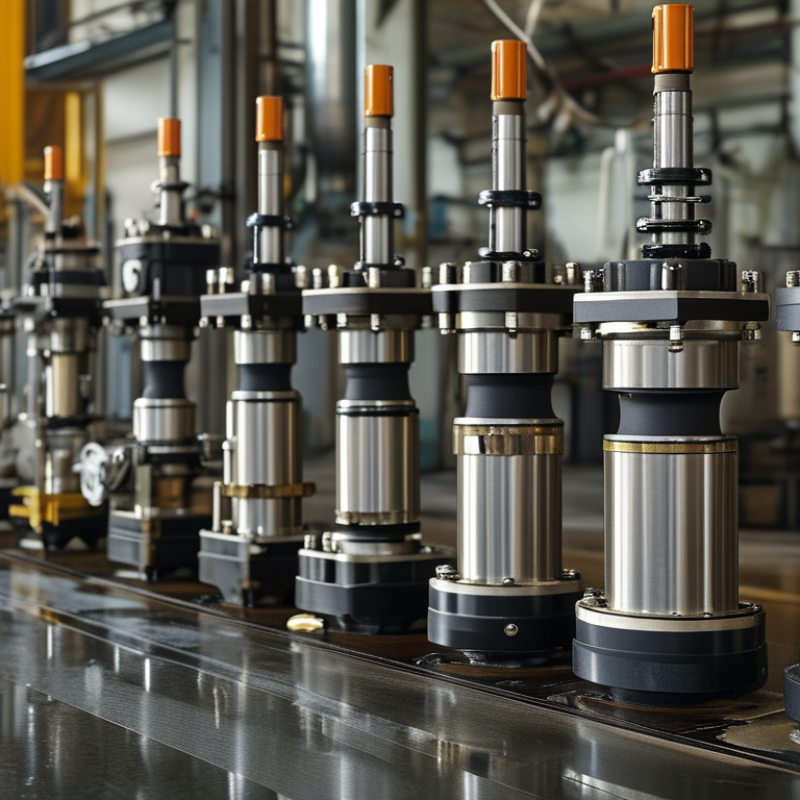
Mechanical seals play a crucial role in various industrial applications. Understanding their basic components helps in selecting the right seal for specific needs. A mechanical seal typically consists of two primary parts: the stationary seal and the rotating seal. The stationary seal remains fixed during operation. The rotating seal rotates alongside the equipment. These two components create a barrier that prevents leakage.
Tips: Ensure that the material of the seals matches the fluid being contained. This can prevent premature wear and failure.
Another important element is the sealing face. This is where the stationary and rotating seals make contact. The quality of this surface is critical for maintaining an effective seal. A rough surface can lead to leakage and increased friction. Selecting seals with a smoother finish can improve durability.
Tips: Consider the operational environment. Factors like temperature and pressure can significantly affect seal performance. Make adjustments based on these conditions to enhance reliability.
Lastly, spring-loaded designs are common in many mechanical seals. They help maintain contact between the sealing faces. However, choosing an incorrect spring tension can result in seal failure. Be cautious when selecting spring characteristics to ensure proper function.
How to Choose the Right Mechanical Seal for Your Application?
| Seal Type | Application | Material | Temperature Range | Pressure Rating |
|---|---|---|---|---|
| Single Mechanical Seal | Pumps, Compressors | Carbon/ Ceramic | -30 to 200 °C | Up to 10 bar |
| Double Mechanical Seal | High-pressure applications | Tungsten Carbide | -50 to 250 °C | Up to 25 bar |
| Solid-Liquid Mechanical Seal | Chemical processing | PTFE | -40 to 150 °C | Up to 8 bar |
| Spring-loaded Mechanical Seal | Water treatment | Stainless Steel | -20 to 120 °C | Up to 6 bar |
Identifying Application Requirements for Mechanical Seals
When selecting a mechanical seal, defining your application requirements is crucial. Start by analyzing the operating conditions, such as temperature, pressure, and fluid properties. Seals are often exposed to harsh environments. Understanding these factors helps in choosing materials that can withstand such conditions.
Consider the fluid type as well. Is it corrosive or abrasive? This impacts the seal's durability. Some applications may require a specialized seal design, particularly those involving high speeds or extreme temperatures. Inadequate specifications can lead to premature seal failure. It's important to assess the compatibility of the seal with the fluids it will encounter.
Installation and maintenance requirements are also vital. Some designs are easier to fit and replace than others, which matters for operational efficiency. Regular monitoring is essential to identify wear or damage early. Ignoring these aspects can result in costly downtimes or failure. Being attentive to details can greatly affect the seal's reliability and longevity.
Evaluating Material Compatibility for Mechanical Seals
Choosing the right mechanical seal requires a deep understanding of material compatibility. Different applications expose seals to a range of fluids, pressures, and temperatures. For instance, seals in chemical applications may need materials that resist aggressive substances. Selecting the wrong material can lead to seal failures and costly downtimes.
When evaluating material compatibility, consider factors like temperature, pressure, and chemical exposure. Elastomers, like Nitrile or Viton, handle oils well but may not withstand temperature extremes. Metal components, such as stainless steel, offer durability but may corrode with certain chemicals. Testing various materials in your specific environment can prevent potential failures and increase reliability.
In some cases, environmental factors complicate the selection. High humidity or exposure to sunlight can degrade certain materials over time. Without thorough evaluation, you risk choosing materials that aren’t fit for purpose. Each application is unique, and a one-size-fits-all approach often fails. Engaging with specialists in material science can enhance your decision-making process and ensure long-lasting performance.
Mechanical Seal Material Compatibility
Analyzing Operating Conditions and Performance Factors
When selecting a mechanical seal, understanding operating conditions is crucial. This includes temperature, pressure, and the type of fluid being sealed. For example, sealing water at high pressure requires different materials than sealing corrosive chemicals. Reports indicate that over 60% of mechanical seal failures stem from these mismatched conditions.
Performance factors cannot be overlooked. The material composition of seals must align with the environment. For example, rubber seals perform poorly in high-temperature applications. Data shows that seals made from ceramic or carbon offer better durability in such conditions. Also, factors like vibration and misalignment can drastically affect seal lifespan, with misalignment contributing to nearly 20% of seal failures.
Regular maintenance and monitoring could prevent many of these issues. Companies that implement proactive strategies report a 30% reduction in seal-related downtime. However, some industries still ignore basic testing. This negligence often results in costly breakdowns and increased operational risks. Understanding these dynamics is essential for making informed decisions. Each application has unique requirements; a one-size-fits-all approach simply does not work.
Choosing Between Standard and Custom Mechanical Seals
Choosing between standard and custom mechanical seals can be challenging. Standard seals may fit many applications well. However, they might not meet specific requirements in some cases. Custom seals offer tailored solutions. They can address unique pressures, temperatures, or fluid types. This leads to improved performance and longer service life.
When deciding, consider your application’s specifics. If fluid compatibility or sealing pressure varies greatly, customization is essential. Analyze the environment closely. Identifying unique challenges can help in determining the need for a custom solution.
Tips: Always evaluate the long-term costs. Custom seals may have higher upfront expenses but can reduce maintenance over time. Gather input from your engineering team. Their expertise can illuminate unconsidered factors. Keep in mind that standard seals, while reliable, might require premature replacements in extreme conditions.