
How to Choose the Best LED Phototherapy Mask

Choosing the best Led Phototherapy Mask involves more than comparing prices or counting glowing lights. The right option should match your skincare goals, comfort needs, and willingness to follow its instructions consistently. Small details matter. Consider the mask’s light wavelengths, treatment settings, session duration, and fit around the nose and cheeks. A strap that slips or pressure near the eyes can make regular use less comfortable than expected.

Look for clear product information from the manufacturer, including safety guidance, cleaning instructions, and evidence supporting its stated features. Be cautious of promises that suggest dramatic or guaranteed results; responses can vary, and a home-use device is not a substitute for professional care. Check whether the manufacturer explains eye protection and offers straightforward controls. If you have a skin condition, take medication that increases light sensitivity, or are unsure whether light therapy suits you, ask a qualified healthcare professional before use.

A sleek design can be appealing. Comfort matters more over time. Think about where you will store the mask, how easily it can be cleaned, and whether its routine fits into an ordinary evening. Reviews may help identify practical issues, but they cannot confirm that a device is right for your skin. There is no perfect choice for everyone. This guide will help you compare the features that matter, question bold claims, and choose with realistic expectations.
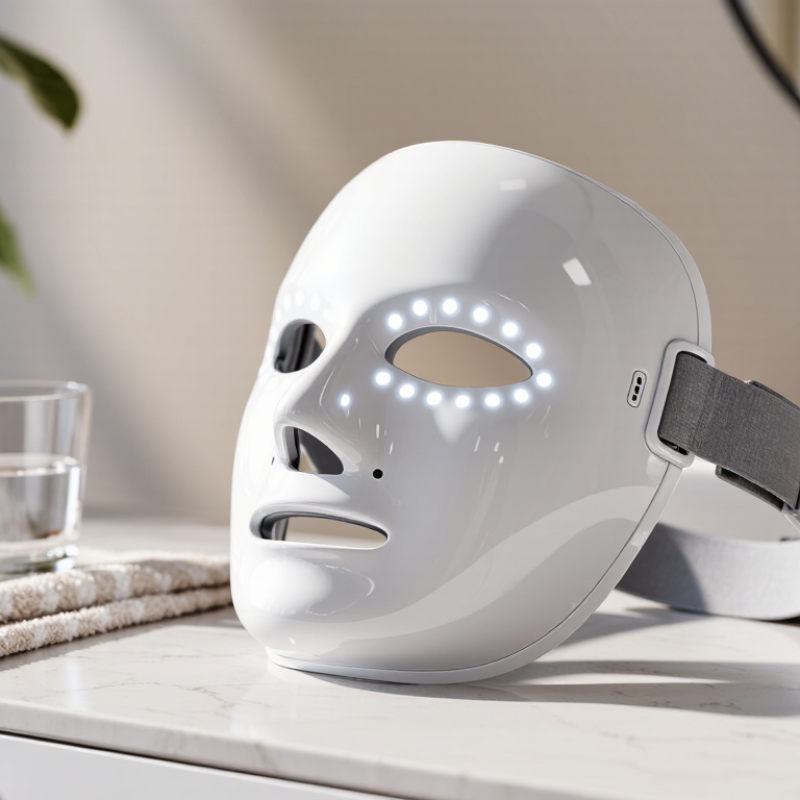
How to Choose the Best LED Phototherapy Mask

How LED Phototherapy Masks Work

How to Choose the Best LED Phototherapy Mask

How LED Phototherapy Masks Work

LED masks deliver specific wavelengths of light to the skin; they do not use ultraviolet light. Blue light, commonly around 405–420 nanometers, is studied for acne-related bacteria. Red light, often around 630–660 nanometers, is used in research on skin inflammation and collagen activity. Near-infrared wavelengths reach deeper tissue, but results depend on the device and treatment protocol. Wavelength alone is not proof of effectiveness.

Dose matters. The 2016 Cochrane review of light therapies for acne found that study results varied and the evidence was limited. That is a useful reality check: a bright-looking mask is not automatically a well-tested one. Check whether the maker reports wavelength, irradiance, treatment time, and eye-safety guidance. These details help explain how much light reaches the skin and how consistently sessions can be repeated.

Tips: Clean, dry skin helps keep the LEDs close to the face. Follow the stated session time, and protect your eyes as directed. Stop if your skin feels unusually hot or irritated. Keep expectations measured; visible changes may take weeks, and some people see little difference. A dermatologist can help assess whether light therapy suits your skin and existing treatment plan.

Match Wavelengths to Your Skin Concerns

Match the wavelength to the concern, not the mask’s marketing claims. Blue light, commonly around 405–420 nm, is used for acne-prone skin; red light, often around 630–660 nm, is studied for inflammation and skin texture.

In a randomized study of 107 people, Papageorgiou and colleagues reported that combined blue and red light reduced inflammatory acne lesions by 76% after 12 weeks (British Journal of Dermatology, 2000). That result is encouraging, not a promise: home devices and treatment routines differ.

Check the exact wavelengths, treatment time, and safety guidance before buying. A wavelength label alone does not tell you how much light reaches your skin. Small details matter.

Near-infrared light is also common in masks, but evidence for specific cosmetic outcomes is less settled, so avoid assuming it will target every concern. For persistent acne, irritation, or pigmentation changes, ask a qualified dermatologist whether light therapy suits your skin.

The evidence is not perfectly tidy, and that is worth acknowledging. A mask can support a routine, but it cannot diagnose what is causing a flare.

Compare Light Settings, Coverage, and Safety Features

When comparing LED phototherapy masks, check which light settings are offered and what each is intended to do. Red and near-infrared light are common, but wavelengths and treatment guidance vary by device. Look for clear specifications rather than broad promises. More settings do not automatically mean better results. Fit matters.

Coverage should match the areas you want to treat. A mask that sits close to the cheeks, forehead, and chin may leave fewer gaps, while straps that press near the eyes can make sessions uncomfortable. Check whether the device fits securely without pinching, and whether its instructions explain positioning. A small uncovered patch may be easy to miss in a mirror. It is worth checking.

Safety details deserve equal attention. Look for a built-in timer, clear session limits, and specific guidance about eye protection. Read the manual. Avoid using a device on irritated skin, and ask a qualified clinician if you have a skin condition or take medication that increases light sensitivity. I used to assume a shorter session was always safer; that is not necessarily true if it conflicts with the device’s tested instructions. Choose settings you can follow consistently.

Evaluate Fit, Comfort, and Treatment Requirements

How to Choose the Best LED Phototherapy Mask
Evaluate Fit, Comfort, and Treatment Requirements

Fit matters. A mask should sit evenly across your forehead, cheeks, and chin without pressing hard on the nose or slipping when you move. Check the strap adjustment and weight; a few minutes of pressure can feel much longer during a scheduled session. Leave room for your eyes, and follow the device’s eye-protection instructions. Redness, warmth, or discomfort are signs to stop and reassess the fit.

Match the device to your treatment goal and routine. Wavelengths and treatment schedules vary, so compare the manufacturer’s instructions rather than assuming all masks work alike. A small 2007 clinical study of blue-and-red LED treatment for acne reported reductions of 77% in inflammatory lesions and 54% in non-inflammatory lesions. That result is not a guarantee for every mask or user. Evidence can be device-specific, and I would not treat a promising percentage as a promise.

Tips: Measure the distance from your hairline to your chin, then check whether the mask’s light panels cover those areas. Try the strap while seated and standing. Keep a simple session log; missed treatments are easy to forget. If you have a skin condition, take photosensitizing medication, or develop irritation, ask a qualified clinician before continuing. Comfort is not a minor detail. It can shape whether you use the device consistently.

Check Evidence, Device Quality, and Overall Value

How to Choose the Best LED Phototherapy Mask

Check the evidence behind the treatment, not just impressive before-and-after photos. Look for independent studies that identify the tested wavelengths, treatment schedule, and outcomes. Results from one device may not apply to another. I still find product claims confusing when they omit light intensity or testing details. Ask whether the evidence concerns the exact kind of mask you are considering, and whether the study measured changes relevant to your skin concern. Phototherapy may not suit everyone; seek advice from a qualified healthcare professional if you have a skin condition or use photosensitizing medication.

Device quality matters during repeated use. Check that the mask fits securely without pressing hard on the nose or cheeks. Confirm that eye-safety guidance is clear, the timer is reliable, and instructions explain cleaning and storage. Look for a stated warranty and support contact, not just polished packaging. Verify any regulatory status for your location; requirements differ. Small details count.

Compare overall value by considering price, expected lifespan, replacement parts, and how often you can realistically use it. A lower-cost mask may be poor value if it fits badly or lacks clear specifications. Conversely, a higher price does not prove better performance. Estimate the cost per planned session, then be honest about whether the routine fits your week. Consistency is the awkward part. A device left in a drawer offers little practical value.

How to Choose an LED Phototherapy Mask

Representative red and near-infrared wavelength bands commonly examined in photobiomodulation research

These are representative research ranges, not a guarantee that a mask is effective. When comparing devices, check the exact wavelength, irradiance and treatment dose, along with safety information and the quality of evidence for the intended use.