How to Choose the Right Motorized Valve for Your System?
Choosing the right motorized valve is essential for efficient system operation. A motorized valve controls fluid flow in various applications. It ensures that systems perform optimally, whether in heating, cooling, or industrial processes.
When selecting a motorized valve, consider factors like size, pressure rating, and control type. The valve's compatibility with your system can make a significant difference. It's common for engineers to overlook the nuances of flow characteristics. This oversight can lead to inefficient performance.
Every system has unique demands. A suitable motorized valve will meet these needs effectively. An incorrect selection may result in leaks or inadequate control. It’s crucial to assess your system’s specific requirements before making a decision. Reflection on past choices can guide future ones. A thoughtful approach ensures reliability and efficiency in your system's performance.
Factors to Consider When Selecting Motorized Valves for Systems
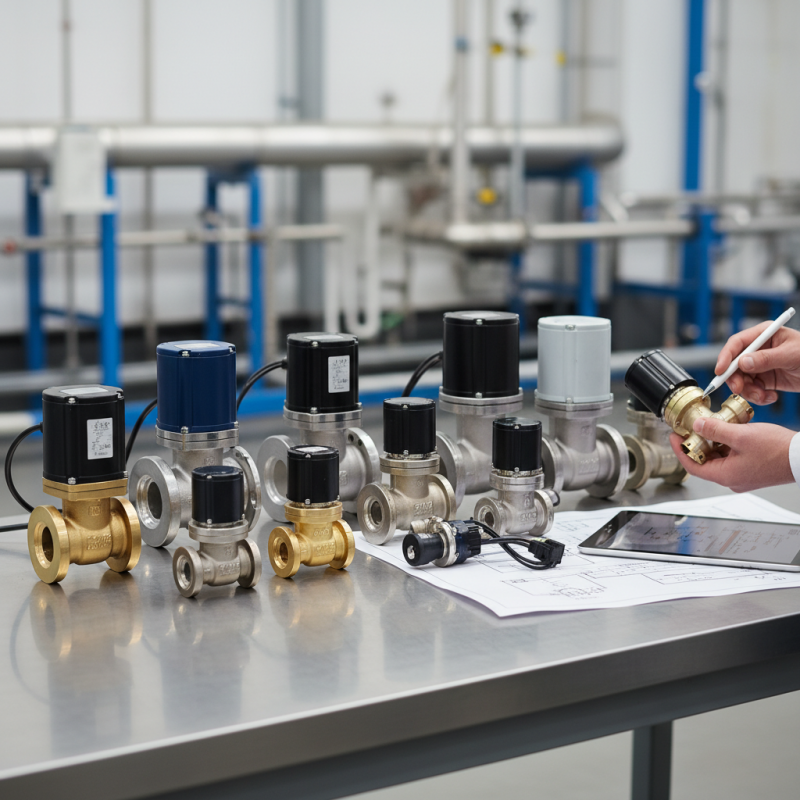
When selecting motorized valves for your system, there are several important factors to consider. The type of fluid being controlled is crucial. For instance, corrosive fluids may require specific materials to prevent damage. Different applications demand different specifications, so understanding the medium is essential.
Flow rate and pressure ratings are also critical considerations. Ensure the valve's capacity matches your system's demands. An undersized valve can lead to inconsistent flow, while an oversized one may cause inefficiencies. Check the manufacturer's guidelines for compatibility.
Tips: Always evaluate the actuator type. Electric or pneumatic actuators serve different needs. Consider the control method, too. Modulating control offers precision, but simple on/off may suffice for straightforward applications.
Don’t overlook installation space and accessibility. Some valves need more room than others for maintenance. Reflect on your long-term needs. It’s easy to misjudge initial requirements. Opting for future-proof solutions can save time and costs in the long run. Focus on choosing valves that adapt as your system evolves.
Understanding Different Types of Motorized Valves and Their Applications
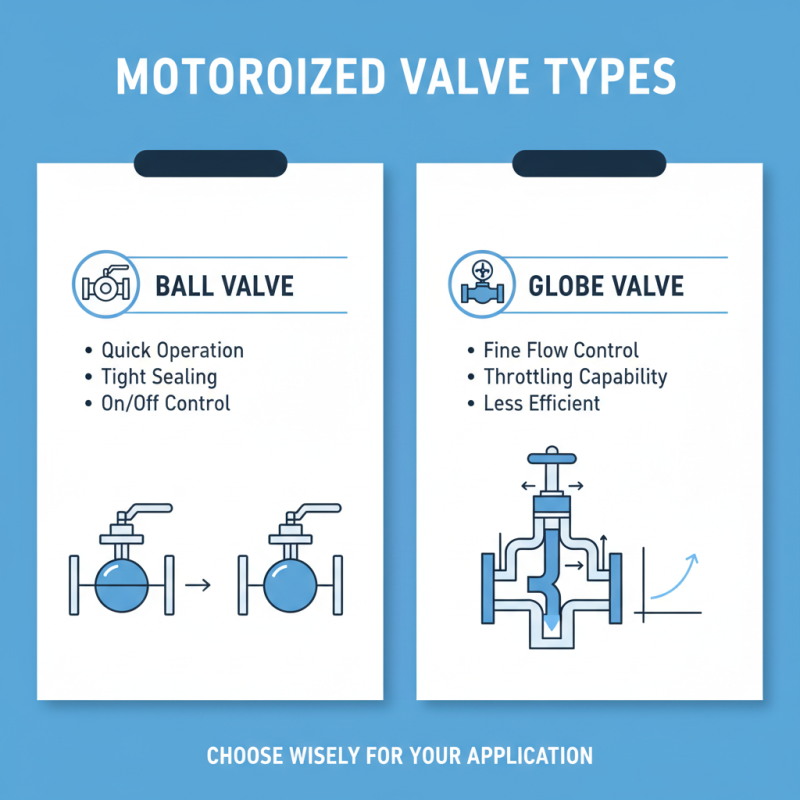
When choosing a motorized valve, understanding its types is crucial. Ball valves are popular for their quick operation. They provide tight sealing and are suitable for on/off control. Another common type is the globe valve. These offer fine control of flow but can be less efficient. Their design allows for throttling, which is sometimes necessary in specific applications.
Butterfly valves stand out for their compact size and lightweight. They are often used in large pipes with a significant flow. However, they may not seal as effectively as other valves. Moreover, check valves prevent backflow and are essential in many systems. Their automatic operation ensures safety and efficiency but may require regular checks for wear and tear.
Understanding your system’s needs is vital. The wrong choice can lead to leaks or inefficient flow management. Evaluate your application's requirements carefully. Consider the pressure, temperature, and type of fluid you'll be using. Errors in this process can lead to costly repairs and downtime. Take the time to weigh your options before making a decision. A good choice will support better system performance in the long run.
Key Performance Metrics to Evaluate for Motorized Valves
Choosing the right motorized valve is crucial for system efficiency. Key performance metrics are essential to evaluate these valves effectively. Start by looking at the valve's actuation speed. A faster response can enhance system performance. However, be aware that speed can lead to wear and tear. Balance is key here.
Another metric to consider is valve torque. The required torque influences the motor selection. Too low torque can lead to valve failure, while too high can waste energy. It’s a delicate balance. Assess your system’s needs carefully.
**Tips:** Always check for compatibility with existing systems. A mismatched valve can cause more issues than benefits. Regular maintenance is vital. Monitor performance metrics over time. Adjust as necessary to ensure optimal functionality. Keep an eye on wear indicators to preemptively address issues. This proactive approach can save costs in the long run.
Performance Metrics of Motorized Valves
Importance of Compatibility with System Pressure and Temperature Ratings
Choosing the right motorized valve is crucial for system efficiency. The compatibility of these valves with your system’s pressure and temperature ratings plays a pivotal role. Incompatible valves can lead to leaks or failures. A study indicated that nearly 25% of valve failures are due to poor compatibility with system parameters.
Engineers recommend reviewing the pressure ratings first. For example, if your system operates at 150 psi, select a valve rated higher. The difference reduces the risk of malfunction. Also, temperature ratings should align closely with your system requirements. Choosing valves without considering thermal limits could lead to failures in high-temperature applications.
Tip: Always overestimate your system's pressure and temperature needs. It’s better to have a valve that exceeds requirements than one that barely meets them.
Compatibility isn’t a one-size-fits-all scenario. Different environments will affect performance variably. For instance, a valve that works well in one facility may underperform in another with different fluid types. Reflect on past project failures; often, they stemmed from this overlooked aspect.
Tip: Keep comprehensive records of valve performance. This data will guide future decisions and improve system reliability.
How to Choose the Right Motorized Valve for Your System?
| Valve Type | Pressure Rating (psi) | Temperature Rating (°F) | Material | Actuation Type |
|---|---|---|---|---|
| Ball Valve | 150 | 200 | Stainless Steel | Electric |
| Butterfly Valve | 200 | 180 | PVC | Pneumatic |
| Globe Valve | 300 | 300 | Bronze | Electric |
| Check Valve | 150 | 250 | Cast Iron | Spring-Activated |
| Plug Valve | 250 | 200 | Aluminum | Electric |
Analyzing the Cost-Benefit Ratio of Motorized Valve Options
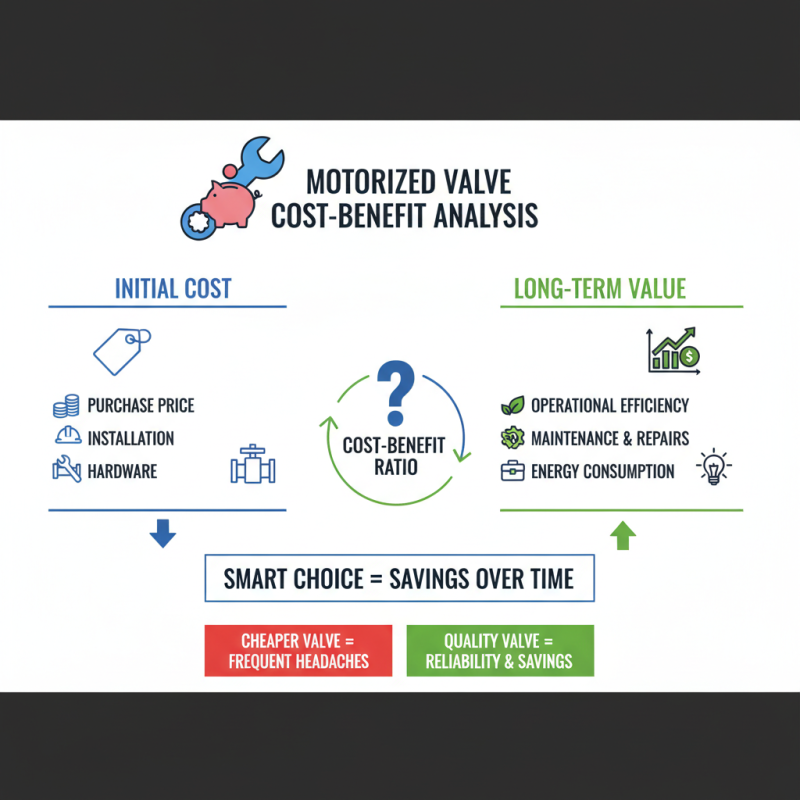
When choosing a motorized valve, analyzing the cost-benefit ratio is crucial. Look beyond just the initial price. Think about the long-term operational costs. Installation, maintenance, and energy efficiency all impact overall expenses. Sometimes, a cheaper valve may require frequent repairs, leading you to spend more over time.
Consider the materials used in the valve. For instance, stainless steel may cost more upfront but last much longer. Evaluate installation complexity too. A simpler setup may save labor costs. Reflect on the environment where the valve will be used. Harsh conditions can affect durability, so a higher initial investment may pay off.
Don’t overlook the importance of size and flow characteristics. An improperly sized valve can cause inefficiencies. It might lead to wasted energy or even system failure. Always double-check compatibility with your system. This oversight can be costly. Evaluate all these factors carefully. Remember, the best choice isn’t always the cheapest one.
Related Posts
-
Exploring the Impact of Motorized Valve Technology on Energy Efficiency in Industrial Applications
-
7 Effective Strategies for Choosing the Right Electric Valve
-
Mastering the Basics of 3 Way Ball Valve Installation and Maintenance Guide
-
Why Do You Need a Water Valve for Your Home?
-
Discover Top Quality Electric Valves from Leading Manufacturers in China
-
How to Choose the Right Water Valve for Your Industrial Needs