How to Choose the Right Control Valve for Your Application?
Choosing the right control valve is crucial for any industrial application. Control valves are essential in regulating the flow of liquids and gases. Their proper selection can significantly impact efficiency and safety in various systems.
When selecting a control valve, consider the specific needs of your application. Valve type, size, and material should match your process requirements. A mismatch could lead to costly failures or inefficiencies. Additionally, think about the operating conditions, such as temperature and pressure, to ensure durability and performance.
It is vital to consult with experienced professionals when making your choice. Their expertise can guide you in navigating options available in the market. This careful consideration will help avoid common pitfalls and ensure reliable operation. Control valves may seem straightforward, but the details matter significantly. Make informed choices for a better outcome.
Understanding Control Valve Functions and Applications
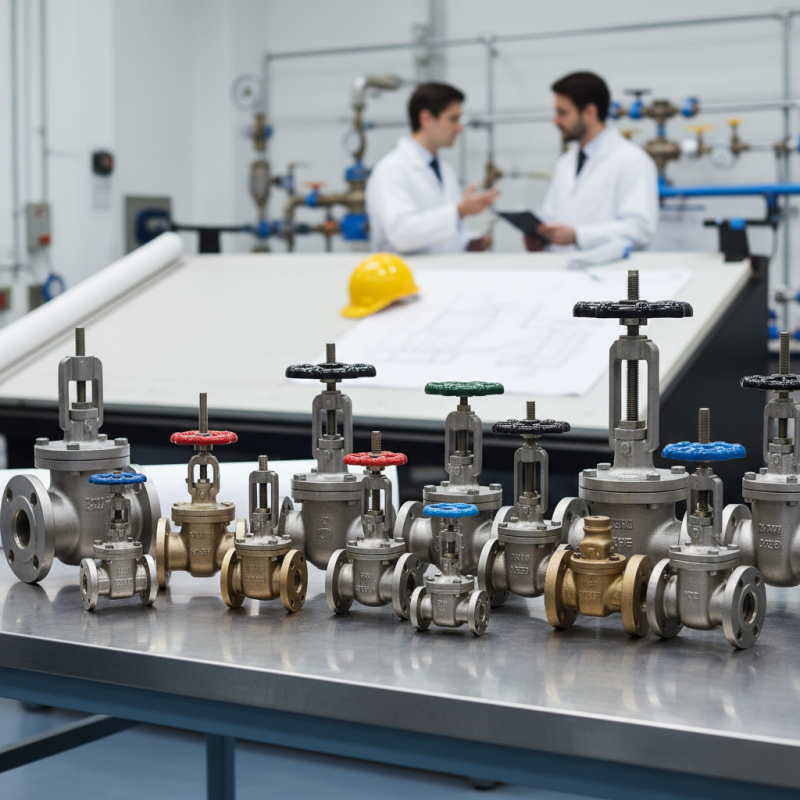
Choosing the right control valve requires a clear understanding of its functions and applications. Control valves regulate fluid flow, pressure, and temperature in various systems. Different types of control valves include globe, ball, and butterfly valves. Each type serves specific needs and works best in certain conditions.
When selecting a control valve, consider the medium being controlled. Gases, liquids, and slurries each necessitate distinct valve designs. Pressure ratings are also crucial. A valve must withstand the system's maximum pressure. It's essential to match the valve’s material to the operating environment to prevent corrosion and wear over time.
Many overlook actuator types, which significantly impact performance. Electric and pneumatic actuators offer different advantages. Understanding the control method—manual, automatic, or a combination—is vital for optimal operation. Without careful consideration, issues like throttling and inefficiency may arise, leading to costly repairs or downtime. Evaluating all these factors can help ensure effective and reliable control valve solutions in your application.
How to Choose the Right Control Valve for Your Application?
| Control Valve Type | Function | Typical Applications | Size Range | Pressure Rating |
|---|---|---|---|---|
| Globe Valve | Flow Regulation | Steam, Water, Oil | 1” to 24” | 150 to 2500 psi |
| Ball Valve | On/Off Control | Water, Gas, Air | 1” to 48” | 150 to 6000 psi |
| Gate Valve | Isolation | Pipelines, Wastewater | 2” to 60” | 150 to 2500 psi |
| Butterfly Valve | Flow Regulation | HVAC, Cooling Systems | 2” to 48” | 150 to 500 psi |
| Check Valve | Backflow Prevention | Water, Oil, Gas | 1” to 20” | 150 to 1500 psi |
Key Factors to Consider When Selecting a Control Valve
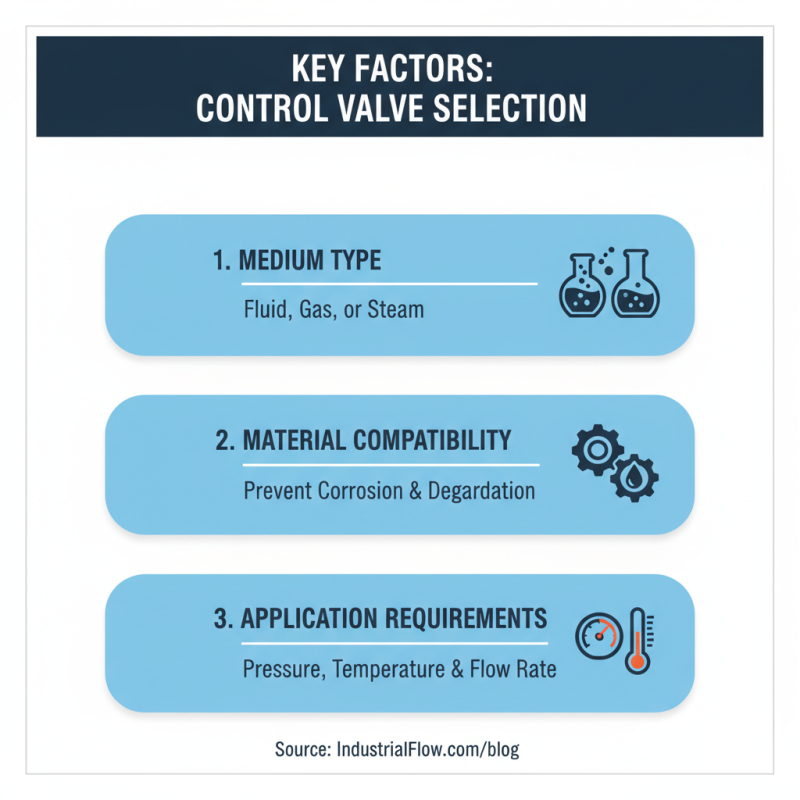
Selecting the right control valve requires understanding several key factors. The medium flowing through the valve plays a crucial role. Different materials react differently to fluids, gases, or steam. Compatibility with the fluid is essential to prevent corrosion or degradation.
Another factor is the pressure and temperature conditions of the application. High-pressure environments may need more robust designs. This affects how the valve operates and its lifespan. The valve size must also align with the flow rate and pipeline specifications. A mismatch can cause inefficiencies.
Flow characteristics are often overlooked. Some applications may need throttling capability while others require on/off control. It’s vital to know the application’s behavior. Failure to consider these aspects could lead to performance issues. Always evaluate past performances of similar systems. Reflection on past choices can guide better decisions for future applications.
Types of Control Valves and Their Specific Uses
When selecting a control valve, understanding the various types and their unique applications is crucial. There are several commonly used valve types, including globe, ball, butterfly, and diaphragm valves. Each type serves specific functions based on design and application requirements. For instance, globe valves excel in throttling applications and can maintain flow with high pressure drops efficiently. They are preferred in systems where precise flow control is essential.
Ball valves, on the other hand, offer rapid flow control and are suited for on/off applications. They provide a tight seal and reduce leakage risks, making them ideal for fluid transport. According to a report by MarketsandMarkets, the global valve market is projected to grow at a CAGR of 6.9% from 2021 to 2026. This growth reflects the increasing demand for high-performance valves across industries.
Butterfly valves are lightweight and cost-effective, widely used in large pipelines for controlling flow. Their simple design allows for quick operation and easy maintenance. However, they may not perform well in high-pressure scenarios. Diaphragm valves are typically used in the pharmaceutical and food industries due to their hygienic design. Yet, they can be less durable than other options under harsh conditions. Choosing the right valve requires careful consideration of specific operational demands and potential drawbacks.
Evaluating Flow Characteristics and Performance Requirements
When choosing the right control valve, understanding flow characteristics is crucial. Each application has unique requirements. Consider the nature of the fluid. Is it viscous or corrosive? These properties will influence valve selection. A high-viscosity fluid may require a valve with a wide flow path. This ensures smooth operation without pressure drops.
Evaluating performance requirements is equally important. Determine the pressure and temperature conditions in your system. High-pressure scenarios might need valves with robust construction to prevent failure. Performance under varying conditions also matters. Test the valve's response time. Slow response can impact system efficiency.
Keep in mind that not all selections are perfect. Flexibility in design might be necessary. If initial choices don’t meet expectations, adjustments may be required. Consider feedback from system performance and make necessary changes. This iterative approach can enhance overall effectiveness. Choosing the right valve involves careful consideration and ongoing evaluation.
Assessing the Environment and Conditions for Valve Selection
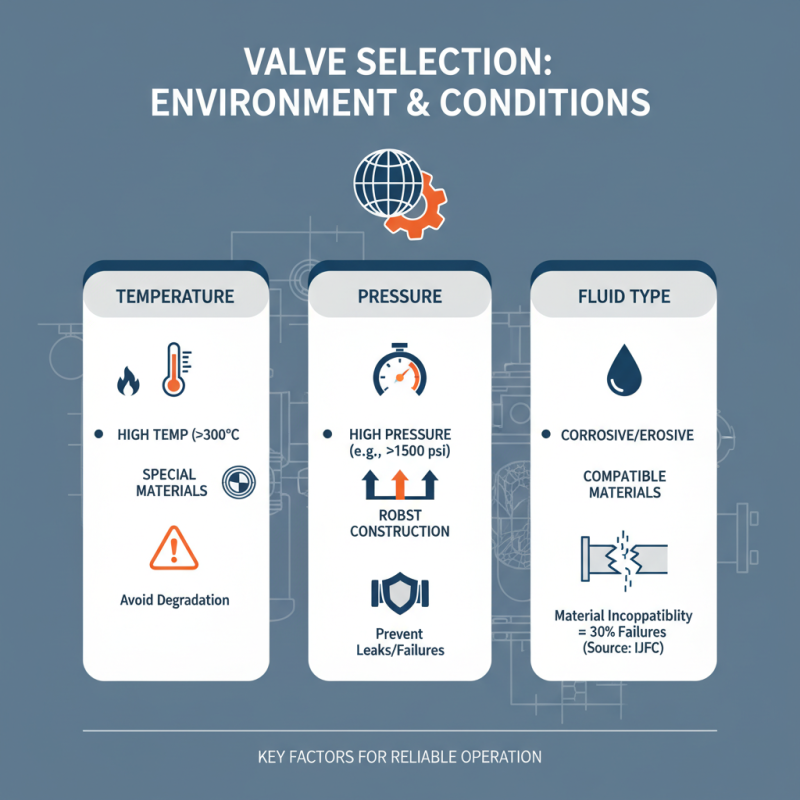
Selecting the right control valve necessitates a keen understanding of the environment and types of conditions involved. Factors like temperature, pressure, and fluid type play crucial roles. For instance, valves operating in high-temperature settings—above 300°C—require specific materials to avoid degradation. A study by the International Journal of Fluid Control suggests that nearly 30% of valve failures relate to material incompatibility with operational conditions.
Pressure dynamics are equally critical. Valves under high-pressure conditions demand durable designs. About 45% of valve malfunctions arise from inadequate pressure rating considerations, highlighting the need for accurate assessments. Additionally, understanding the type of fluid is vital. Corrosive or abrasive fluids can quickly compromise valve integrity. A report from the American Society of Mechanical Engineers (ASME) notes that systems involving corrosive materials should employ materials rated for at least 20% more than the expected corrosive effect.
Environmental factors such as vibration and potential exposure to chemicals cannot be ignored. Vibration can impact valve performance, causing premature wear or failure. Comprehensive evaluations of these conditions should be standard practice. Regular assessments can identify potential issues before they escalate. Ultimately, an informed choice can enhance reliability and efficiency, minimizing risks associated with poor valve selection.
Related Posts
-
Global Excellence in Control Valve Manufacturing China Leads the Way
-
How to Choose the Best Motorized Valve for Your Industrial Needs
-
Embracing Innovation in the Future of Best Motorized Valve Technology
-

Top 10 Benefits of Using Ball Check Valves in Industrial Applications
-
How to Choose the Right High Pressure Ball Valve for Your Needs?
-
What Defines an Actuated Ball Valve and Its Importance in Industrial Applications