
Why Choose Pipe Adapter Fittings for Your Plumbing Needs?
When considering plumbing solutions, Pipe Adapter Fittings stand out as essential components. These fittings serve a crucial role in connecting different pipe sizes and materials, ensuring a secure fit. This versatility allows plumbing systems to function efficiently, accommodating various needs.
Choosing the right Pipe Adapter Fittings can greatly affect the overall performance of your plumbing. Professionals emphasize that the right selection minimizes leaks and enhances durability. Many homeowners overlook the importance of these fittings, which can lead to costly repairs and inefficiencies.
Investing in high-quality Pipe Adapter Fittings not only simplifies installations but also provides peace of mind. Understanding their benefits can help you make informed decisions. It's essential to recognize that not all fittings are created equal. Reflection on material quality and compatibility is necessary to avoid potential hazards.
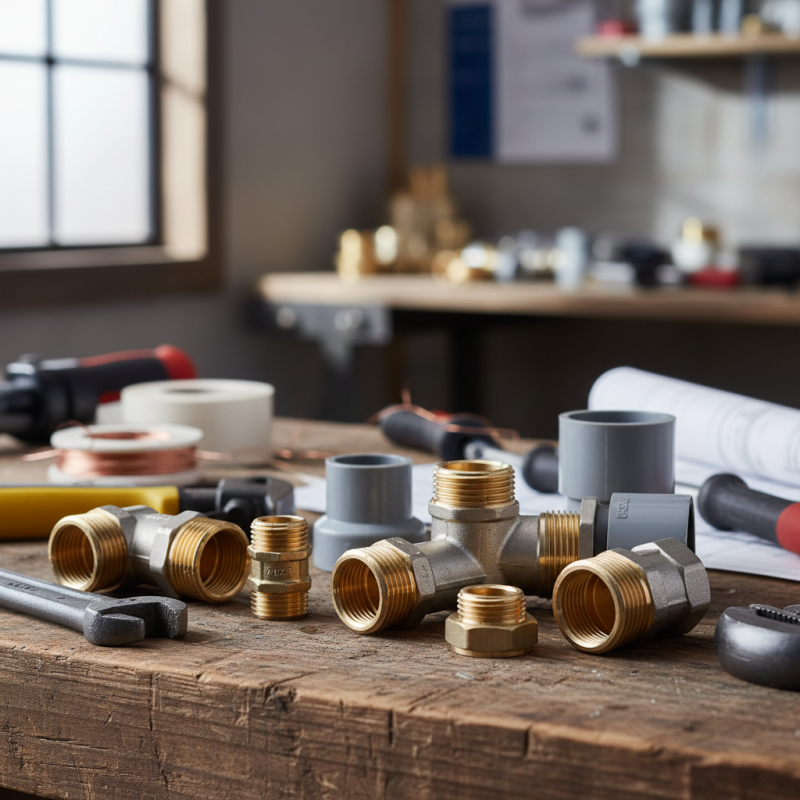
Understanding Pipe Adapter Fittings: What They Are and Their Uses
Pipe adapter fittings are crucial in plumbing systems. They connect pipes of different sizes and types. This adaptability allows for maintaining proper flow and pressure within the system. Without these fittings, creating a seamless plumbing network becomes challenging.
Understanding how pipe adapter fittings work can enhance your plumbing projects. They come in various shapes and materials, such as PVC, metal, and brass. Each material suits specific environments and purposes. For example, brass fittings resist corrosion in outdoor settings, while PVC is often more lightweight and easy to install indoors.
Choosing the right adapter fitting is vital. An incorrect fitting can lead to leaks and pressure drops. It’s essential to understand the specifications of your pipes. Sometimes, a simple oversight can cause significant issues in water delivery or drainage. Not every project needs the same type of fitting. Evaluating your unique plumbing needs requires careful consideration.
Why Choose Pipe Adapter Fittings for Your Plumbing Needs?
| Type of Pipe Adapter Fitting | Material | Common Uses | Size Range (inches) |
|---|---|---|---|
| Straight Adapter | PVC | Connecting pipes of the same type | 0.5 - 4 |
| Reducing Adapter | Brass | Connecting pipes of different sizes | 0.75 - 2 |
| Elbow Adapter | Copper | Changing pipe direction | 0.5 - 4 |
| Tee Adapter | Galvanized Steel | Joining three pipes together | 1 - 4 |
Key Benefits of Using Pipe Adapter Fittings in Plumbing Systems
Pipe adapter fittings are essential for any plumbing system. They enable seamless connections between different types of pipes. This flexibility is crucial when tackling various plumbing projects. These fittings can help reduce leaks and improve overall system efficiency.
One key benefit lies in their versatile use. You can connect pipes of different materials, like PVC to copper. This adaptability is particularly useful in renovations. Many older homes have mixed piping systems. A reliable adapter ensures that all parts work together effectively.
**Tip:** Always measure pipe diameters accurately before purchasing fittings. Miscalculations can lead to leaks.
Another advantage is their ease of installation. Most pipe adapters require minimal tools, making them accessible for DIY enthusiasts. However, some users may rush their work. It's important to take your time. Otherwise, improper installation can lead to significant issues down the line.
**Tip:** Check for imperfections in your fittings. Even minor flaws can compromise your plumbing system.
Key Benefits of Using Pipe Adapter Fittings in Plumbing Systems
Types of Pipe Adapter Fittings and Their Applications in Plumbing
When it comes to plumbing, pipe adapter fittings are essential components. They come in various types, each designed for specific applications. Common types include threaded, slip, and compression fittings. Threaded adapters are perfect for joining pipes with matching threads, ensuring a secure seal. Slip fittings allow for easy connections on pipes without threads. Compression fittings work well when you need a tight join without welding.
Choosing the right type of pipe adapter is crucial. Improper fittings can lead to leaks or pressure drops. Always match the fitting type to the pipe material and size. Pay attention to any specific requirements. Each material, whether PVC, copper, or PEX, has unique needs. Incorrect adaptations can cause costly damage over time.
**Tip:** When shopping for pipe adapter fittings, consider the environment. For instance, outdoor plumbing may require fittings that can withstand temperature changes. Always inspect your fittings for wear and tear. Frequent checks can prevent unexpected plumbing failures. Stay informed about the materials and their compatibility to ensure a long-lasting plumbing system.
How to Choose the Right Pipe Adapter Fittings for Your Project
When selecting pipe adapter fittings, consider several key factors to ensure proper functionality. One vital aspect is the material. Adaptors can be made of PVC, copper, or stainless steel. Each material has its advantages; for instance, PVC is often used in residential plumbing due to its lightweight nature and corrosion resistance. According to industry studies, around 47% of homeowners prefer PVC for their ease of installation and cost-effectiveness.
Another crucial consideration is the fitting size. Proper fit is essential to prevent leaks. Measurements should be taken accurately. A survey indicates that improper sizing is a common issue, leading to significant water loss and costly repairs. Furthermore, the right type of fitting is necessary for the application. For example, threaded fittings suit high-pressure settings, while slip fittings are ideal for low-pressure systems.
Don't overlook the importance of matching the fitting type with the pipe specifications. Compatibility avoids complications during installation and ensures longevity. Research shows that improper fittings account for nearly 30% of plumbing failures. By focusing on these details, you can enhance your plumbing system's reliability while minimizing potential failures.
Installation Tips and Best Practices for Pipe Adapter Fittings in Plumbing
When installing pipe adapter fittings, attention to detail is crucial. Start by ensuring all surfaces are clean and dry. This helps create a secure seal. You don't want any leaks later on.
Remember, choosing the right material is essential. Different pipes require specific fittings. Using mismatched materials can lead to weak connections. This oversight can disrupt your plumbing system’s performance.
Here are a few quick tips: Measure twice, cut once. Cut pipes squarely for a better fit. Also, don't overtighten fittings. This can cause cracks. Instead, hand-tighten and use a wrench just to snug the connection. Taking these precautions will contribute to a successful installation.