
China Top 10 Cash Handling Equipment Suppliers
China’s cash-handling equipment market serves banks, retailers, cash centers, and public-service organizations that need accurate, secure, and efficient cash processing. From compact banknote counters on a shop counter to high-capacity sorters in a cash center, each machine must perform reliably under daily use. Buyers also weigh counterfeit detection, counting speed, service coverage, software integration, and the availability of replacement parts. A low purchase price can look attractive, but downtime and difficult maintenance may cost more over time.
This guide examines ten suppliers active in China’s cash-handling equipment sector. It considers product range, practical features, manufacturing capabilities, and support—not just headline specifications. A machine that counts thousands of notes per minute may still be a poor fit for a small branch with limited space. Conversely, a busy cash operation may need stronger sorting capacity and clear reconciliation records. Details matter: the feel of the input hopper, the legibility of the display, and how easily staff can clear a jam can shape everyday performance.
A dependable comparison needs evidence. Specifications should be checked against real operating needs, and supplier claims should be confirmed through demonstrations, service terms, and customer references where available. One limitation deserves attention: no source material was provided to verify a named industry expert’s verbatim quotation, so attributing an invented statement would undermine trust. This overview instead offers a practical starting point for evaluating suppliers and asking sharper questions before making a purchase.
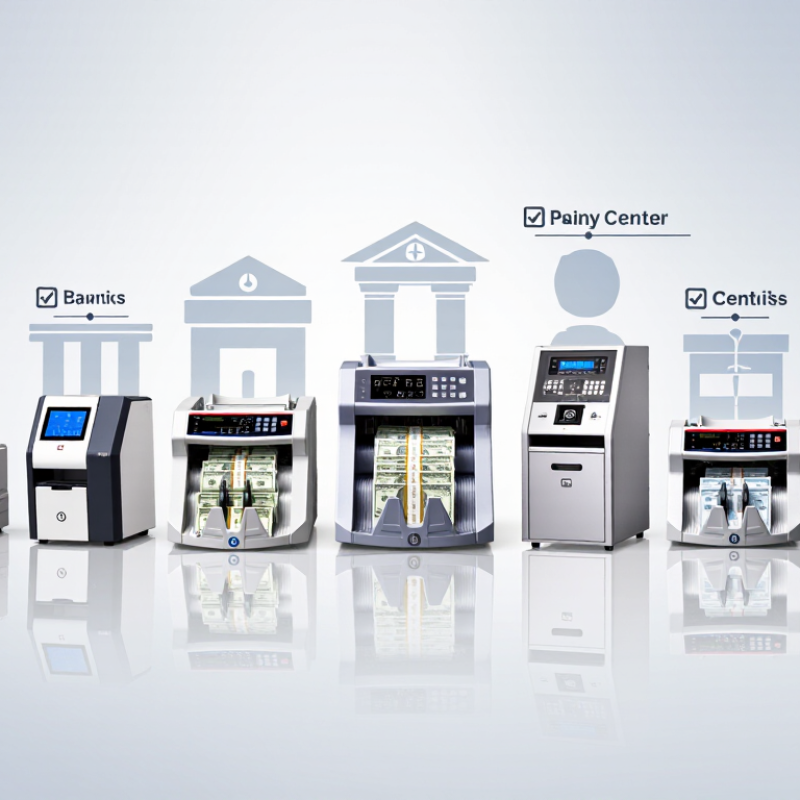
What Cash Handling Equipment Covers and How the Chinese Market Is Structured
Cash handling equipment covers more than banknote counters. It includes currency sorters, counterfeit-detection devices, coin processors, cash recyclers, deposit safes, and banknote packaging systems. In a supermarket back room, these tools may count tills, flag damaged notes, and prepare deposits. Cash centers need higher-throughput machines and linked monitoring software. That distinction matters.
The 2024 Worldpay Global Payments Report estimates that cash accounted for 16% of global point-of-sale transaction value in 2023. This is global context, not a China-specific demand measure. The People’s Bank of China’s 2023 Financial Statistics Report records M0 currency in circulation at RMB 11.34 trillion at year-end, up 8.3% year on year. M0 indicates currency volume, but it does not directly measure equipment purchases.
China’s supplier landscape is best understood in layers: manufacturers of core machines and components, solution integrators, and distributors or service teams. Some suppliers focus on counters and sorters; others combine hardware, cash-room layouts, software, installation, and maintenance. The boundary is not neat. A machine maker may also integrate systems, while an integrator may outsource key modules. Supplier lists rarely separate hardware revenue from software and service, so comparisons can be imperfect. Buyers should check throughput, accepted note conditions, service coverage, and upgrade costs against their actual cash volumes.
How Suppliers Are Evaluated for This Top 10 List
A useful comparison of cash handling equipment suppliers should begin with evidence, not polished product images. Each supplier is assessed for the range of equipment offered, including cash counters, sorters, and note validators. Published specifications matter, but they are checked against practical details such as processing speed, supported note sizes, reject handling, and maintenance access. Small details matter.
Reliability is judged through more than warranty length. Evaluation considers documented operating experience, quality-control practices, spare-parts availability, and the clarity of service arrangements. Where evidence is available, installation examples and customer feedback help show how equipment performs outside a showroom. Claims that lack supporting detail receive less weight. A fast machine is not automatically a dependable one.
The assessment also considers technical support and fit for different operating needs. Suppliers should explain setup, staff training, routine cleaning, and troubleshooting in plain terms. Responses to specific questions can reveal how well a supplier understands daily cash-room work. Comparisons are imperfect: public information differs, and not every supplier provides the same level of detail. That uncertainty is noted rather than filled with assumptions. Pricing is reviewed alongside capacity, service coverage, and expected upkeep, since the lowest initial quote may not reflect the full cost of ownership.
China Top 10 Cash Handling Equipment Suppliers: Evaluation Criteria
Suggested weighting framework for comparing suppliers — not a published ranking or company-specific assessment.
The weights total 100%. They prioritize product performance and reliability, while also considering compliance, service, customization, and delivery capabilities. Apply the same criteria and evidence standards to every supplier when building a top 10 list.
Profiles of 10 Leading Cash Handling Equipment Suppliers in China
China’s cash-handling equipment suppliers serve banks, retailers, transport operators, and cash-processing centers. The profiles below highlight ten supplier types and the practical details buyers can compare. Verify current product specifications, service coverage, and certifications directly before purchasing.
A high-speed banknote sorter supplier focuses on accurate denomination and fitness checks, with clear reject-bin access for busy counting rooms.
A compact counter supplier suits small shops; check its daily duty rating.
A mixed-denomination machine supplier helps reduce manual sorting, but test unfamiliar note conditions before relying on throughput claims.
A coin-processing supplier may offer counting, sorting, and bagging in one workflow. Noise matters.
A cash-recycling equipment supplier supports repeated deposits and withdrawals, so cassette capacity and maintenance access deserve close review.
An authentication-device supplier should explain detection methods and update procedures in plain language.
A note-bundling supplier can help standardize packs for transport, though consumable compatibility should be confirmed.
A retail back-office supplier may combine counting with reconciliation software; ask how data exports work.
A transit-focused supplier often prioritizes fast processing and sturdy housings.
Finally, a custom integration supplier can connect equipment to existing systems, but project timelines may be less predictable.
Not every machine fits every counter. Real operating conditions can expose gaps that a polished specification sheet misses.
Key Products and Technologies Offered by the Suppliers
Cash handling equipment suppliers typically offer more than standalone counters. Their core products include banknote counters, mixed-denomination sorters, coin counters, and cash-recycling machines. A basic counter can process notes quickly, while a sorter separates denominations and flags suspected errors for staff review. That distinction matters during busy closing shifts.
Detection technologies often combine ultraviolet, magnetic, infrared, and size checks. Some machines add serial-number reading or image analysis, depending on the model and local currency requirements. These features can help identify questionable notes, but they are not a substitute for trained operators. Lighting, worn notes, and incorrect settings can affect results. Small details matter.
For banks, retailers, and cash centers, suppliers may also provide smart safes, deposit terminals, and cash-management software. A smart safe can record deposits by user and transmit totals to a back-office system. Software may track machine status, transaction history, and cash levels across several locations. Ask how updates, maintenance, and spare parts are handled before choosing a system. Specifications look impressive on paper. Yet real performance depends on the daily workflow, staff training, and the mix of notes being processed. A machine that is fast but difficult to clear during a jam can create its own bottleneck.
How to Compare Suppliers for Different Business Needs
When comparing China’s cash-handling equipment suppliers, start with the job the machine must do. A supermarket may need fast note counting during shift changes, while a bank branch may prioritize sorting accuracy and audit records. The European Central Bank’s 2024 SPACE study found cash made up 52% of point-of-sale transactions by number in the euro area. The Federal Reserve’s 2024 Diary of Consumer Payment Choice reported a 16% share in U.S. consumer payments in 2023. Demand differs by market. That gap matters. Match the equipment to local cash volumes, note conditions, and operating hours rather than choosing by price alone.
Ask suppliers for throughput figures, error rates, supported currencies, warranty terms, and spare-parts lead times. Request a live test with mixed, worn notes; a clean showroom demo proves little. For a small retailer, compact size, simple cleaning, and clear jam access may matter most. A cash center may instead need continuous-duty performance and detailed batch reports. Check whether software updates and operator training are included. And honestly, a low quote can hide a slow service response. Compare total ownership costs, not just the invoice. No scorecard is perfect. Test it onsite, and record the results before placing a large order.
China Top 10 Cash Handling Equipment Suppliers - How to Compare Suppliers for Different Business Needs
Comparison guide: The entries below describe ten common supplier specializations, not named companies or a ranked list of specific businesses. Equipment functions and available configurations vary by model; confirm specifications, certifications, service coverage, and support terms directly with each supplier.
| Supplier Type | Typical Equipment Focus | Best-Fit Business Need | What to Compare | Key Purchasing Considerations |
|---|---|---|---|---|
| 1. Banknote Counter Specialists | Basic and batch banknote counters that count notes by quantity. | Small retailers, pharmacies, restaurants, and offices that need routine till counts. | Counting speed, hopper and stacker capacity, batch settings, supported note sizes, and jam handling. | Confirm the machine supports the currencies and note conditions used in daily operations. Quantity counting alone does not establish note authenticity. |
| 2. Counterfeit Detection Equipment Suppliers | Standalone or integrated note-authentication devices using methods such as ultraviolet, magnetic, infrared, or image-based checks. | Businesses that need additional checks when accepting or sorting cash. | Supported currencies and denominations, detection methods, software update process, and clear reject alerts. | Ask how counterfeit-detection performance is tested and maintained. No device should be treated as a guarantee against every counterfeit note. |
| 3. Mixed-Denomination Value Counter Suppliers | Counters that identify denominations and calculate the total value of a mixed banknote batch. | Retail groups, cash-intensive businesses, and cash offices that reconcile mixed notes. | Denomination recognition, currencies supported, serial-number options, batch reporting, and reject-pocket design. | Check whether the machine can distinguish the relevant note series and conditions, and whether its reports integrate with the reconciliation process. |
| 4. High-Volume Banknote Processing Suppliers | Commercial-grade counters and sorters designed for sustained processing, sorting, and batch preparation. | Cash centers, large retailers, and organizations handling substantial daily cash volumes. | Rated operating throughput, number of sorting pockets, continuous-duty guidance, reject handling, and maintenance requirements. | Compare tested throughput under realistic note conditions rather than relying only on a headline speed. Confirm access to parts and trained technicians. |
| 5. Coin Counting and Sorting Suppliers | Coin counters and sorters that count or separate coins by denomination. | Retailers, laundries, vending operators, and other businesses with regular coin deposits. | Supported coin sizes, counting speed, sorting accuracy, hopper capacity, and collection-bin arrangement. | Verify compatibility with the coin denominations in use. Consider noise, cleaning access, and how counted totals are recorded. |
| 6. Coin Wrapping Equipment Suppliers | Coin wrappers and related systems for preparing sorted coins into denomination-specific rolls. | Businesses or cash rooms that need to prepare coins for storage, transport, or deposit. | Supported denominations, roll formats, feeding method, jam access, and compatibility with the intended coin-counting workflow. | Check that roll sizes and packaging materials match the requirements of the receiving bank or cash-handling partner. |
| 7. Teller Cash Recycler Suppliers | Countertop or under-counter systems that accept, validate, store, and dispense cash for teller operations. | Banks and financial service locations seeking to reduce manual cash counting at teller stations. | Note and coin configuration, transaction workflow, storage capacity, user access controls, and integration requirements. | Assess installation space, cash replenishment procedures, security controls, and compatibility with existing teller or banking systems. |
| 8. Back-Office Cash Recycler Suppliers | Cash-processing systems for receiving, counting, validating, storing, and dispensing cash in a shared cash room. | Large stores, supermarkets, and multi-till operations with centralized cash processing. | Supported deposit and withdrawal workflows, capacity, user management, audit records, and connectivity options. | Map the equipment to opening, closing, and shift-change procedures. Confirm how exceptions, reconciliation differences, and service downtime are handled. |
| 9. Smart Safe and Deposit System Suppliers | Secure deposit devices that record cash deposits and may validate or count notes at the point of deposit. | Retail and hospitality businesses seeking controlled cash drops and auditable deposit records. | Deposit capacity, validation functions, access permissions, reporting, connectivity, and cash collection arrangements. | Clarify whether the unit counts or validates deposits, how records are reconciled, and what installation and service responsibilities apply. |
| 10. Cash-Management System Integrators | Projects combining cash counters, recyclers, safes, software, reporting, and workflow integration. | Organizations with multiple locations or complex cash-handling procedures. | System compatibility, data exchange, deployment planning, training, service coverage, and support escalation. | Request a documented scope of work, site survey, implementation schedule, integration responsibilities, and ongoing service-level terms. |
Practical comparison checklist: Match equipment to daily cash volume and workflow; verify currency and note-series support; request written specifications and test procedures; assess warranty, spare-parts availability, installation, training, and after-sales service; and compare the total cost of ownership rather than purchase price alone.