
What Is the Best Heavy Duty Paint for Global Buyers?
Choosing the best Heavy Duty Paint for global buyers is not a simple matter of selecting the thickest coating. A bridge in a humid port, a steel tank in a desert, and factory machinery near chemicals face very different stresses. Moisture, salt spray, abrasion, ultraviolet exposure, and temperature changes can shorten coating life quickly.
“Surface preparation is the foundation of coating performance,” says Dr. James E. McDonald, a protective-coatings specialist. His point remains practical. Even premium epoxy or polyurethane paint may blister when applied over oil, rust, dust, or poorly prepared steel. Buyers should examine technical data sheets, adhesion results, chemical-resistance ratings, curing conditions, and expected service life. They should also confirm whether the product suits steel, concrete, aluminum, or previously coated surfaces.
Real conditions matter.
A reliable evaluation should include application temperature, humidity limits, film thickness, recoat time, and available application tools. Global purchasers also need consistent batch quality, clear safety documentation, stable packaging, and responsive technical support. Regional climate changes can expose weaknesses that laboratory testing does not reveal. That is an uncomfortable possibility, but it deserves attention.
There is no universal winner. A high-build epoxy may protect industrial floors and steel structures, while an aliphatic polyurethane may provide stronger color and ultraviolet resistance. Some specifications also require low-emission formulations or documented compliance with local requirements. Cost alone can mislead buyers; repeated repairs, shutdowns, and surface preparation often cost more than the original coating.
This guide compares Heavy Duty Paint options through performance, durability, application practicality, and supplier reliability. It also questions common assumptions, because the “best” coating may still fail when the wrong system or preparation method is chosen.
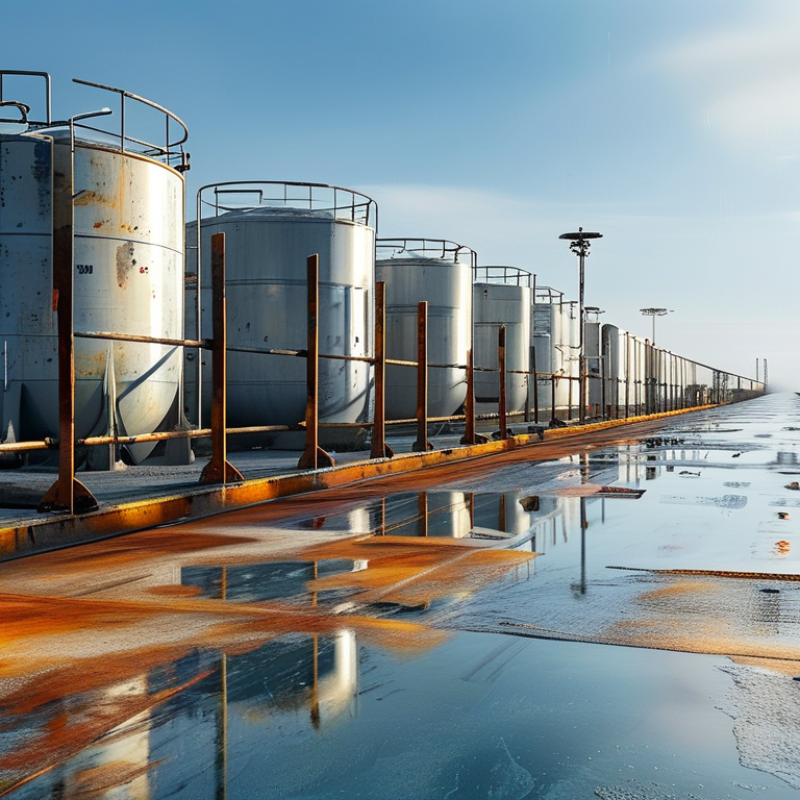
Heavy Duty Paint: Definition, Uses, and Performance Requirements
Heavy duty paint is a protective coating engineered for severe service conditions. It helps resist abrasion, moisture, chemicals, impact, corrosion, and temperature changes. Unlike decorative paint, it is selected for measurable performance rather than appearance alone. It is not simply thick paint. The correct system depends on the substrate, exposure level, surface preparation, and expected service life. Steel frames, industrial machinery, storage tanks, concrete floors, and transport equipment often require different coating solutions.
Performance requirements should be clearly defined before purchasing. Buyers may need adhesion, hardness, flexibility, chemical resistance, salt-spray resistance, and weathering data. Dry film thickness matters, but thicker is not always better. Excessive thickness can cause cracking, slow curing, or poor bonding. Application temperature and humidity also affect the final result. Small details matter here. A clean, dry surface often determines more than the product label.
Global buyers should request a technical data sheet, safety data sheet, batch information, and independent test results. Regional regulations may set different limits for solvents, emissions, labeling, and workplace use. Confirm the coating’s compatibility with primers and repair materials. A practical purchasing error is comparing prices before comparing preparation and application costs. That approach can create hidden failures. No coating is universal, and performance claims should be checked against the actual environment, not just a brochure.
Key Factors for Comparing Paint Types Across Global Markets
What Is the Best Heavy Duty Paint for Global Buyers?
Comparing heavy duty paints requires more than checking price or gloss. Epoxy coatings usually offer strong adhesion and chemical resistance on steel and concrete. Polyurethane finishes often provide better color retention under sunlight. Alkyd paints can simplify application, but they may need more frequent maintenance in severe environments. The best choice depends on the substrate, temperature, humidity, and expected wear.
Global buyers should examine performance data under realistic conditions. A coating tested in a dry laboratory may behave differently beside a humid port or dusty road. Ask for documented coverage rates, curing times, surface preparation requirements, and batch consistency. Check whether the product suits brush, roller, or spray application. Local environmental requirements also matter, especially for solvent content and workplace handling. A low purchase price can become expensive when recoating starts early.
Tips: Compare full lifecycle cost, not only the container price. Request test panels using the actual substrate. Inspect adhesion after curing. Review technical data sheets carefully. Keep records of application temperature and humidity. Small details matter. One weak assumption can damage an otherwise sound specification. There is no universal winner, and even experienced buyers may underestimate local climate effects.
| Paint Type | Typical Heavy-Duty Use | Typical Dry-Film Thickness per Coat | Typical Volume Solids | Typical VOC Range | Corrosion Protection | UV and Color Retention | Typical Continuous Service Temperature | Main Advantages | Main Limitations | Global Purchasing Considerations |
|---|---|---|---|---|---|---|---|---|---|---|
| Epoxy | Steel structures, tanks, machinery, pipelines, marine interiors and industrial floors | 75–200 μm | 45–80% | Approximately 250–450 g/L, depending on formulation and local regulations | Excellent when applied over suitable preparation and used in a complete coating system | Fair to good; may chalk or lose gloss during prolonged direct sunlight exposure | Approximately 90–120°C | Strong adhesion, chemical resistance, abrasion resistance and barrier protection | Limited long-term exterior color and gloss retention; sensitive to moisture and low temperatures during curing | Check surface-preparation requirements, curing temperature, recoat interval and compliance with local VOC limits |
| Polyurethane | Exterior steel, infrastructure, transport equipment, exposed industrial assets and topcoats over epoxy | 50–100 μm | 45–70% | Approximately 250–450 g/L, depending on solvent and waterborne technology | Very good when used as part of a compatible primer and intermediate-coat system | Excellent resistance to sunlight, gloss loss and color fading compared with many conventional coatings | Approximately 80–120°C | Good weathering, abrasion and chemical resistance with attractive long-term appearance | Application can be sensitive to humidity; some two-component products require strict handling controls | Verify isocyanate-related safety requirements, humidity limits, pot life, local worker-protection rules and VOC classification |
| Zinc-Rich Epoxy | Steel bridges, offshore structures, storage tanks, heavy equipment and atmospheric corrosion-control primers | 50–100 μm | 50–75% | Approximately 250–450 g/L; waterborne and low-VOC versions may be available | Good as a primer; normally requires a compatible protective topcoat for long-term UV exposure | Low as a standalone finish; the surface may chalk and should generally be overcoated | Approximately 100–150°C, subject to the product system and exposure conditions | Provides sacrificial and barrier protection when correctly applied to properly prepared steel | Requires strict surface cleanliness, correct zinc loading and careful control of dry-film thickness; unsuitable for every substrate | Confirm zinc-content method, applicable corrosion category, compatibility with subsequent coats and regional environmental restrictions |
| Acrylic | Exterior metal, general industrial equipment, infrastructure, masonry and maintenance applications | 40–100 μm | 35–65% | Approximately 100–350 g/L; waterborne products can be substantially lower | Good for moderate environments when used over an appropriate primer | Very good color and gloss retention in many exterior applications | Approximately 60–90°C | Fast drying, good weathering performance, broad color availability and relatively easy maintenance | Generally lower chemical, solvent and immersion resistance than epoxy systems | Compare waterborne or solventborne classification, minimum application temperature, humidity limits and regional VOC thresholds |
| Alkyd | General maintenance, agricultural equipment, indoor machinery and low-to-moderate exposure steelwork | 40–80 μm | 40–60% | Approximately 300–500 g/L, subject to formulation and jurisdiction | Fair to good in mild or controlled environments with suitable priming | Good initial appearance; long-term gloss and color stability are usually below polyurethane performance | Approximately 60–80°C | Easy application, good flow, broad availability and relatively simple maintenance procedures | Lower resistance to strong chemicals, solvents, continuous immersion and severe corrosion exposure | Check compatibility with zinc-rich and epoxy layers, drying performance in humid climates and restrictions on higher-VOC products |
| High-Solid or Waterborne Industrial Coating | Projects seeking reduced solvent emissions, industrial maintenance, buildings, equipment and infrastructure | 60–150 μm | 55–85% for high-solid systems; waterborne systems vary widely | Often approximately 50–300 g/L, but the legal limit depends on product category and market | Good to excellent, depending on resin chemistry, film build and system design | Good to excellent, depending on whether the binder is acrylic, epoxy, polyurethane or another technology | Approximately 60–120°C, depending on resin chemistry | Lower solvent emissions, higher productivity potential and better alignment with increasingly strict environmental rules | Drying and curing may be affected by temperature, humidity, ventilation and substrate conditions | Request technical data sheets, safety data sheets, VOC test method, legal VOC category and transport classification for the destination market |
| Data note: The figures are representative industry ranges for comparison and are not universal specifications. Actual performance depends on resin chemistry, pigment loading, surface preparation, application method, coating-system design, climate, exposure category and local regulations. For project approval, compare the product technical data sheet with applicable standards such as ISO 12944, ISO 8501, ISO 19840, ASTM D7091 and the relevant national VOC requirements. | ||||||||||
How to Match Paint Formulas With Different Industrial Surfaces
What Is the Best Heavy Duty Paint for Global Buyers?
Heavy-duty paint is not chosen by color alone. Surface chemistry, moisture, temperature, and mechanical stress matter more.
AMPP estimates that corrosion costs nearly US$2.5 trillion annually, equal to about 3.4% of global GDP.
This figure shows why surface preparation deserves serious attention.
For carbon steel, a zinc-rich primer can provide sacrificial protection, while epoxy layers build chemical resistance and film thickness. Polyurethane or polysiloxane topcoats can improve outdoor color and weather durability.
Galvanized steel needs a compatible adhesion primer, not a standard steel system. Aluminum often requires light abrasion and a suitable bonding primer. Concrete needs moisture testing before coating. Trapped water can cause blistering, even beneath an expensive system.
ISO 12944 guidance recommends evaluating corrosivity, exposure time, and coating durability together. Still, laboratory ratings may not match a coastal site with salt deposits and sharp temperature changes. That gap deserves reflection.
Tips: Ask for adhesion, salt-spray, abrasion, and immersion data. Check dry-film thickness at several points. Request a small trial area first. Record surface temperature and humidity during application. The best formula is the one that fits the surface, environment, and maintenance plan.
Global Standards, Climate Resistance, and Regulatory Considerations
What Is the Best Heavy Duty Paint for Global Buyers?
Heavy duty paint should be selected against the site, not only the product label. A coating for steel structures may face salt spray, intense sunlight, freezing nights, or constant humidity. Global buyers should request test data for adhesion, abrasion, corrosion resistance, and weathering. Standards such as ISO and ASTM can support fair comparisons, but test results need proper context. A laboratory result does not always predict field performance.
Climate resistance requires practical questions. Will the surface reach 60°C under direct sun? Can trapped moisture form behind the coating? In coastal areas, salt deposits may remain inside small scratches. For industrial floors, forklifts can expose weak edges within weeks. Surface preparation, dry film thickness, and curing time often matter as much as paint chemistry. Small mistakes become expensive.
Regulatory checks are equally important. Review volatile organic compound limits, safety documentation, labeling rules, and restricted substances in the destination market. Ask for current technical and safety data sheets. Documents should match the actual formulation and shipment route. Be careful with vague claims like “eco-friendly” or “global compliant.” They may lack measurable support. No coating performs perfectly in every climate. I have seen specifications fail because local humidity was ignored. A stronger buying process includes a site trial, independent inspection, and a written maintenance plan.
A Practical Framework for Selecting the Best Heavy Duty Paint Supplier
What Is the Best Heavy Duty Paint for Global Buyers?
A Practical Framework for Selecting the Best Heavy Duty Paint Supplier
Choosing a heavy duty paint supplier starts with the service environment, not the product brochure. Salt spray, immersion, abrasion, ultraviolet exposure, and temperature cycles require different coating systems. AMPP’s IMPACT study estimates that corrosion costs the global economy about US$2.5 trillion annually, or nearly 3.4% of global GDP. That figure makes supplier evaluation a cost-control decision, not merely a purchasing task.
Ask for measurable evidence. A capable supplier should provide technical data sheets, safety data sheets, batch traceability, and test results linked to recognized standards. ISO 12944 helps classify corrosivity and expected durability for steel protection. The supplier should also explain surface preparation, dry-film thickness, mixing limits, curing conditions, and repair procedures. Vague advice is a warning sign.
Look beyond price.
Grand View Research estimated the protective coatings market at roughly US$14 billion in 2023, with continued growth through 2030. That expansion attracts new suppliers, but market size does not prove technical reliability. Check production capacity, laboratory controls, export packaging, lead times, and after-sales support. Request a small trial on prepared steel before approving a large order. I have seen projects fail because the coating was suitable, but the application guidance was incomplete. A strong supplier should welcome difficult questions, admit limitations, and document every critical assumption.