
Top 10 Benefits of Aeration System Air Blower for Your Business?
In recent years, the importance of an efficient Aeration System Air Blower has gained recognition in various industries. According to a report by the American Society of Civil Engineers, improving air quality in waste treatment facilities can boost operational efficiency by up to 25%. Businesses are increasingly investing in such systems to enhance performance and reduce operational costs.
Aeration not only optimizes biological processes in wastewater treatment but also supports manufacturing sectors requiring consistent air supply. The global market for aeration blowers is predicted to grow at a CAGR of 5.5% from 2022 to 2030. This growth highlights the significant benefits these systems bring, such as energy efficiency and reduced maintenance needs.
However, many companies still underestimate the advantages of adopting a reliable Aeration System Air Blower. While initial costs may seem high, potential savings in energy costs and improved environmental compliance are substantial. It’s crucial for businesses to reflect on their current systems and consider whether they maximize efficiency and sustainability.
Advantages of Improved Oxygenation for Aquatic Systems
Aeration systems are essential in promoting healthier aquatic environments. Improved oxygenation benefits fish and plants significantly. Sufficient oxygen levels enhance the growth of aquatic life. Fish thrive and reproduce consistently in well-oxygenated water. This stability encourages a balanced ecosystem.
Implementing an air blower can enhance water circulation. Proper circulation reduces dead zones in bodies of water. It helps prevent stagnation, which can lead to harmful algae blooms. However, over-aeration can cause issues as well. Too much oxygen may disrupt species balance. Thus, careful monitoring is crucial.
Moreover, oxygenation supports beneficial bacteria. These bacteria break down organic waste effectively. This process keeps water clean and reduces toxicity. Businesses must consider the needs of their ecosystem alongside the benefits. Regular assessment and adjustments to aeration levels are necessary for long-term success. Maintaining a healthy aquatic system requires ongoing attention and care.
Top 10 Benefits of Aeration System Air Blower for Your Business
The chart above illustrates the top 10 benefits of using an aeration system air blower for businesses involved in aquatic systems. Each benefit is scored on a scale of 1 to 10, indicating its significance, with improved oxygenation being the most crucial aspect for the health of aquatic life and overall system productivity.
Enhancing Wastewater Treatment Efficiency with Aeration Systems
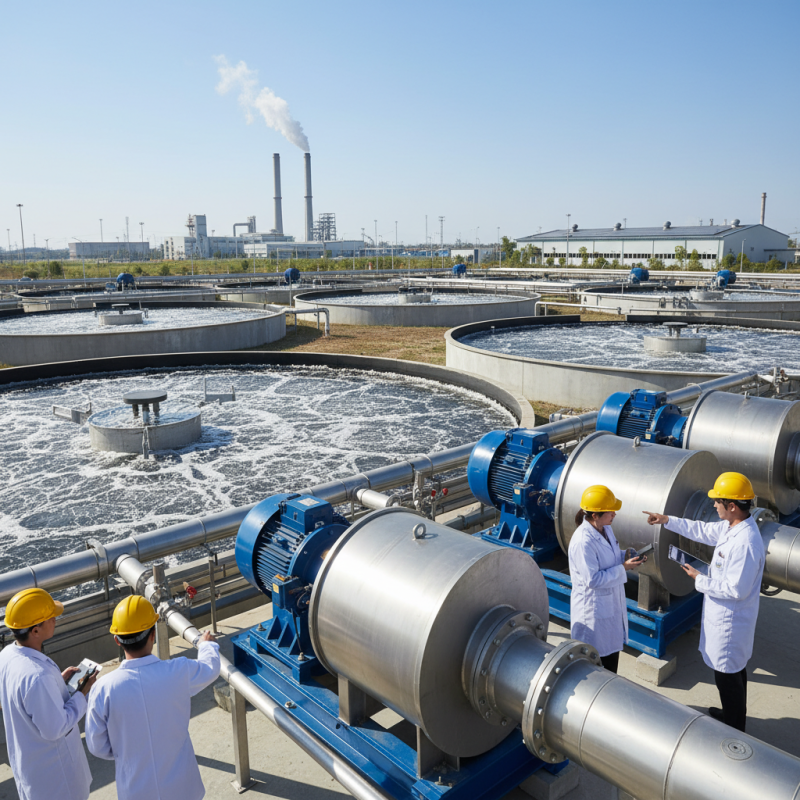
Aeration systems play a crucial role in enhancing wastewater treatment efficiency. By injecting air into treatment tanks, these systems promote the growth of beneficial microorganisms. These microbes work tirelessly to break down organic matter. The result is cleaner water released back into the environment.
Incorporating air blowers into your business can lead to significant improvements. They help maintain optimal oxygen levels in the wastewater, ensuring a healthy microbial population. This can reduce the time needed for treatment and lower operational costs. However, not all systems perform the same. Regular maintenance is essential to avoid inefficiencies.
Investing in an aeration system requires careful consideration. It is vital to choose the right type based on specific wastewater treatment needs. Oversizing or undersizing can lead to performance issues. Monitoring and adjustments may be necessary as conditions change. Overall, while aeration systems offer considerable benefits, ongoing evaluation is key to maximizing their impact.
Cost Savings Through Energy Efficiency of Air Blowers
Air blowers are an essential tool for many businesses, providing both efficiency and effectiveness in various applications. One of their primary advantages lies in energy efficiency. A well-designed aeration system can significantly reduce energy consumption. This leads to substantial cost savings over time. Many businesses struggle with high operating costs. By integrating air blowers, they can lower these expenses while enhancing performance.
When examining energy efficiency, it’s important to consider operational parameters. Properly sized blowers ensure optimal airflow. This minimizes energy wastage. Inadequate blowers can lead to increased wear and unnecessary energy consumption. Regular maintenance is crucial. Neglecting this can result in higher operational costs and decreased efficiency. Simple adjustments can make a significant impact.
Improving energy efficiency is not only about cost savings. Businesses must also recognize their environmental footprint. Reducing energy use translates into lower greenhouse gas emissions. This is a vital step for companies aiming for sustainability. Thus, air blowers promote both fiscal responsibility and environmental care. Identifying energy-efficient options can take time and research. Yet, the long-term benefits are undeniable.
Top 10 Benefits of Aeration System Air Blower for Your Business
| Benefit | Description | Cost Savings (%) |
|---|---|---|
| Energy Efficiency | Reduces energy consumption by optimizing airflow. | 20% |
| Reduced Operating Costs | Lower utility bills translate to overall savings. | 15% |
| Extended Equipment Life | Less wear and tear on equipment leads to lower replacement costs. | 10% |
| Improved Air Quality | Enhances indoor air quality, promoting worker health. | 8% |
| Noise Reduction | Quieter operation leads to a better working environment. | 5% |
| Flexibility | Modular designs allow for easy scaling of operations. | 7% |
| Automated Control | Smart systems adjust air flow dynamically to save energy. | 12% |
| Sustainability | Reduces carbon footprint and promotes eco-friendly practices. | 6% |
| Increased Productivity | Better air flow improves worker efficiency and output. | 18% |
| Enhanced System Reliability | Fewer breakdowns lead to consistent operations. | 14% |
Boosting Productivity in Industrial Processes via Aeration
Aeration systems play a crucial role in enhancing productivity across various industrial processes. These systems inject air into liquids, promoting efficient mixing and improving the oxygen levels needed for biological reactions. In wastewater treatment or fermentation, for instance, proper aeration leads to faster breakdown of waste. This accelerated processing not only reduces labor costs but also decreases time spent on each cycle.
However, the implementation of an air blower is not without challenges. Inconsistent air supply can lead to suboptimal results. Operators must regularly check the system's performance. Any fluctuation can disrupt the delicate balance required for effective operations. Training staff to monitor and maintain these systems is essential for maximizing their benefits. On the other hand, a well-maintained aeration system can vastly improve operational efficiency, providing cost savings in the long run.
Moreover, investing in high-quality aeration equipment is crucial. Poorly designed systems can lead to energy inefficiency and high operational costs. Regular maintenance is often overlooked but is key to longevity and performance. Without it, businesses might face unforeseen downtimes. The use of aeration systems can revolutionize industrial work, but understanding their potential pitfalls can help businesses navigate challenges effectively.
Maintaining Optimal pH Levels in Various Applications
Maintaining optimal pH levels is crucial in various applications, from wastewater treatment to aquaculture. An aeration system air blower plays a significant role in this process. By introducing oxygen into water, it helps bacteria break down organic matter efficiently. This breakdown produces acids, which can impact pH levels. Proper aeration controls these fluctuations, ensuring a stable environment.
In aquaculture, for example, fish thrive in a specific pH range. Deviations can stress aquatic life, affecting growth and survival rates. An inconsistent pH can lead to poor water quality and increased disease. Using an aeration system air blower helps maintain those critical levels, promoting a healthier ecosystem. This might seem straightforward, but implementing the right aeration strategy requires expertise.
However, not all aeration systems are equal. Some might oversaturate or under-oxygenate the water, leading to imbalances. These miscalculations can result in heightened operational costs and lower productivity. Regular monitoring and adjustment are necessary. Understanding the specific needs of your application can guide effective aeration practices. Being aware of these potential pitfalls is vital for long-term success.