
2026 Top Hand Retractable Spring Plunger Buying Guide?
When choosing the right Hand Retractable Spring Plunger, it is essential to understand their key features and benefits. These versatile tools are widely used in various industries, from manufacturing to DIY projects. They facilitate quick adjustments and secure positioning, making them indispensable for many applications.
In this guide, we will explore important factors to consider when selecting a Hand Retractable Spring Plunger. The market offers numerous options, yet finding the ideal fit can be challenging. Factors such as material, load capacity, and dimensions significantly affect performance and durability.
As you navigate your choices, keep in mind the need for reliability and safety. Investing in a high-quality spring plunger can save time and resources in the long run. However, not all products meet the same standards. Reflecting on the specific requirements of your projects will lead to a more informed decision. Choose wisely to ensure optimal performance and peace of mind.
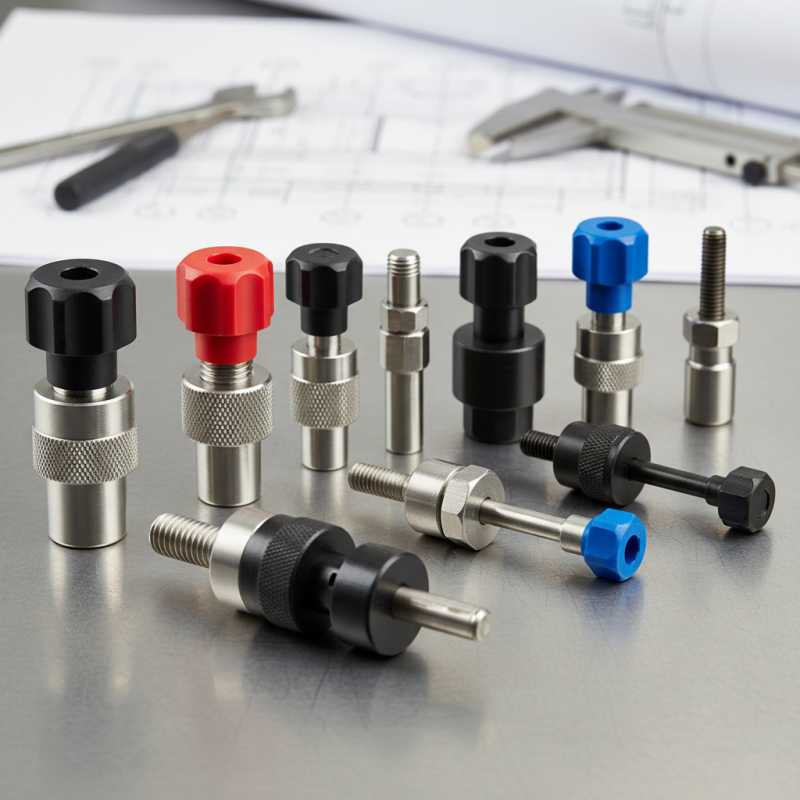
Understanding the Basics of Retractable Spring Plungers in 2026
Retractable spring plungers are essential in various applications, from machinery to medical devices. Their design enables quick and secure locking, which enhances operational efficiency. According to industry reports, the global market for spring plungers is expected to reach $1.5 billion by 2026, reflecting a compound annual growth rate of 5.4%. This data underscores their significance across many sectors.
Understanding their mechanics is vital. Retractable spring plungers consist of a plunger, spring, and housing. The simple yet effective mechanism allows for easy insertion and removal. This function is critical in assembly lines, where speed and reliability are crucial. However, users often overlook the importance of material selection. Different environments may require specific materials for durability. Stainless steel is common, yet it can corrode in certain conditions. Such choices must reflect the application and its demands.
Moreover, precision in manufacturing spring plungers affects performance. Not every producer adheres to strict quality standards. Inconsistent quality can lead to premature failure. This can disrupt workflows and result in costly repairs. Buyers should research suppliers' certification and quality control processes. Understanding these factors ensures you choose the right retractable spring plunger for your needs.
Key Specifications to Consider for Selecting Top Hand Retractable Spring Plungers
When selecting top hand retractable spring plungers, understanding key specifications is essential. These plungers come in various sizes and styles. Assessing their material is crucial. Stainless steel options offer excellent corrosion resistance. Plastic alternatives provide lightweight solutions but may lack strength.
Pay close attention to the actuator design. Some feature a push-button mechanism, making operation easier. Others have a knurled knob for gripping. Choosing the right actuator depends on your user environment. A smooth action reduces wear, enhancing longevity.
Tip: Always check load capacity. Reports indicate that plungers should handle more than expected loads to avoid failure. A weak plunger can lead to operational issues. Think about rebounding force as well; this affects how quickly the plunger returns to its original position.
Installation is another critical factor that should not be overlooked. Some plungers require specific mounting techniques. A poorly installed plunger can cause alignment problems. Consider the mounting orientation as well, as it can affect usability.
Be aware that dimensions can vary greatly. A lack of standardization means precise measurements are essential. Measure the hole for insertion accurately. Miscalculations can lead to inefficiencies in your setups.
Comparative Analysis of Material Types for Spring Plungers in the Industry
When selecting spring plungers, the material type plays a crucial role in performance. Common materials include stainless steel, brass, and plastic. Stainless steel is often favored for its strength and corrosion resistance. Reports indicate that over 60% of industries utilize stainless steel for spring plungers due to its reliability and durability. Yet, it can be prone to galling under extreme conditions, which requires careful consideration.
Brass offers excellent machinability and is often chosen for its good conductivity. Its use spans various industries, but it lacks the corrosion resistance of stainless steel. A study reveals that about 30% of applications involve brass, reflecting its specific advantages. However, users should consider its limitations in harsh environments. As for plastic, it is lightweight and resistant to certain chemicals. Yet, only about 10% of spring plungers are made from plastic due to concerns about mechanical strength.
Choosing the right material requires weighing these factors. Individual applications may demand different qualities. Understanding the performance of each material under real-world stress is vital. Users should analyze their needs and scenarios to make informed choices, avoiding common pitfalls.
Market Trends: The Growth Rate and Demand for Retractable Spring Plungers
The market for retractable spring plungers is experiencing notable growth. This increase is driven by various industries needing reliable latching mechanisms. From manufacturing to automated systems, these components play a crucial role. Their versatility and ease of use make them appealing. As industries evolve, so does the demand for innovative designs and materials.
Recent trends highlight a rising interest in custom solutions. Companies seek plungers tailored to specific applications. The demand for automation also fuels this trend. More automated systems require precise components. Manufacturers are investing in research and development to meet changing needs. This shift is evident in new product launches and improvements.
Despite the growth, challenges persist. Not all manufacturers meet quality standards consistently. Some plungers fall short in durability and reliability. These issues underscore the importance of thorough inspections. Buyers must ensure they purchase from reputable suppliers. Attention to detail can prevent future frustrations and failures. Balancing innovation with reliability is a continuous challenge for the industry.
Top Manufacturers and Their Innovations in Spring Plunger Technology in 2026
In 2026, the spring plunger market is seeing rapid innovation. Top manufacturers are embracing advanced materials and design strategies. These improvements enhance the durability and functionality of retractable spring plungers. Lightweight alloys and composites are now common. They provide strength without the added weight. This is particularly important in applications where space is limited.
Tips for selecting a spring plunger include considering the load capacity and retraction force. You should also evaluate the environmental conditions it will face. Saltwater environments can corrode some materials. Make sure you choose corrosion-resistant options. Testing prototypes can reveal performance limits. Understanding these limits is crucial.
Another focus is on user-friendly features. Smooth operation and quick actuation are vital. Designers are finding ways to minimize friction and resistance. This opens the door for more efficient applications. Pay attention to design flaws in existing models. These flaws can lead to failures that impact performance. Enhancements in technology are helping address these issues.