2026 Best Steam Turbine Blade Suppliers for Global Buyers?
A Steam Turbine Blade is a small component with a demanding job. It must handle high temperatures, rotational forces, and changing operating conditions inside the turbine. A poor fit can affect efficiency, vibration, and maintenance schedules. That is why choosing a supplier involves more than comparing prices or browsing product photos.
This guide to the 2026 best Steam Turbine Blade suppliers for global buyers explains what to check before requesting a quotation. Buyers should compare alloy options, machining capability, dimensional tolerances, inspection procedures, and documentation. Ask how the supplier verifies material traceability and blade geometry. Review sample inspection reports, relevant quality certifications, and references for similar turbine models where available. These details help distinguish proven manufacturing processes from attractive promises.
The right choice depends on the turbine design, operating environment, order volume, and required delivery window. A supplier experienced with replacement parts may not be the best fit for a custom design. Not every company publishes the same level of technical evidence, either. That makes direct questions essential.
Look closely. Confirm compatibility with the original specifications, and clarify who handles engineering changes, packaging, and after-sales support. International shipping can add practical complications, even when the component itself is excellent. This overview is a starting point, not a substitute for engineering review. A careful shortlist, supported by verified technical documents, can reduce uncertainty and help buyers make a more defensible decision.
Steam Turbine Blade Functions, Materials, and Design Principles
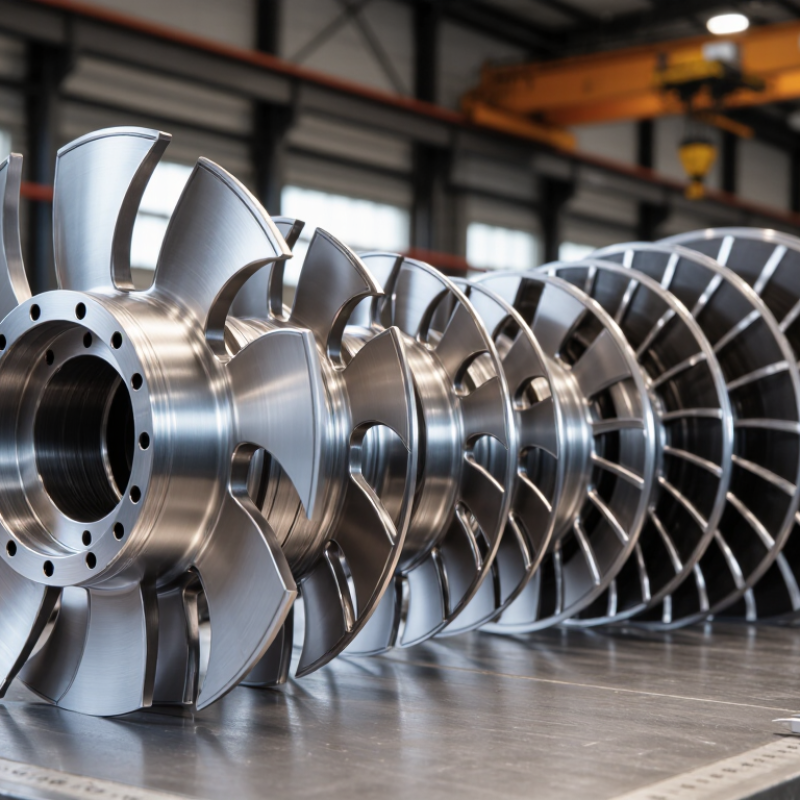
Steam turbine blades convert steam energy into shaft rotation. Fixed blades guide the flow, while rotating blades absorb its force. Their shape affects efficiency, vibration, and operating stability. At the blade root, precise fit helps transfer loads to the rotor. Small details matter. A tiny surface defect can grow under repeated heat and stress.
Blade materials must withstand high temperatures, centrifugal force, and steam erosion. Common choices include alloy steels for suitable stages and nickel-based alloys for hotter conditions. Selection depends on steam temperature, pressure, chemistry, and maintenance needs. Design also balances aerodynamic performance with strength. Engineers assess blade length, cooling, natural frequencies, and stress concentrations. Real operating data should inform the design; calculations alone may miss site-specific vibration or moisture effects. There is no universal best material.
Tip: Ask suppliers for material traceability, dimensional inspection records, and relevant test results. Compare blade profiles and root dimensions against the existing rotor. Check how repairs affect balance and fatigue life. If operating conditions have changed, reassess the design before ordering.
2026 Best Steam Turbine Blade Suppliers for Global Buyers? - Steam Turbine Blade Functions, Materials, and Design Principles
| Evaluation Area | Technical Facts | What Global Buyers Should Verify |
|---|---|---|
| Blade Function | Stationary blades direct and accelerate steam toward the rotor. Moving blades change the steam’s momentum and transfer energy to the shaft. | Confirm whether the part is a stationary or moving blade and check its stage, flow direction, installation position, and interface dimensions. |
| High-Pressure Stages | High-pressure stages generally operate with relatively hot, high-pressure steam. Blade design must account for thermal conditions, centrifugal loading on rotating rows, and aerodynamic performance. | Request the specified operating conditions and confirm that the proposed material, heat treatment, and design are suitable for the intended stage. |
| Low-Pressure Stages | Steam can become wet as it expands through the low-pressure section. Longer final-stage blades may face moisture-related leading-edge erosion as well as significant centrifugal loading. | Check the blade’s stage location, wet-steam exposure, erosion protection details, and compatibility with the turbine’s exhaust-end design. |
| Common Blade Materials | Martensitic stainless steels, including 12% chromium grades, are used for many steam turbine blades. Certain blade applications also use alloy steels, depending on operating conditions and design requirements. | Obtain the specified grade, material test documentation, heat-treatment records, and traceability to the individual part or production batch. |
| Long Last-Stage Blades | Titanium alloys are used for some long, low-pressure last-stage blades. Their lower density than steel can help reduce centrifugal loading, but suitability is design- and application-specific. | Verify that the turbine design permits the proposed alloy and review its application history, material documentation, and repair or inspection requirements. |
| Aerodynamic Design | Blade profile, twist, pitch, and three-dimensional flow features influence steam guidance, stage efficiency, and aerodynamic loading. Designs must match the relevant flow path. | Ask how the replacement design is matched to the original stage, including profile geometry, row arrangement, and any approved design changes. |
| Root and Attachment | Blade roots transfer loads to the rotor or carrier. Fir-tree and dovetail-style attachments are examples of configurations used in turbine designs; the correct form depends on the machine. | Confirm root geometry, contact surfaces, tolerances, and fit using approved drawings or verified measurements. Do not assume different designs are interchangeable. |
| Vibration and Fatigue | Rotating blades experience cyclic forces. Blade natural frequencies and excitation sources must be considered to manage resonance and fatigue risk. | Request applicable design or validation evidence, such as modal or vibration-analysis information, when required by the project specification. |
| Erosion and Corrosion | Moisture droplets and contaminants can damage blade surfaces, particularly in wet-steam regions. Protection methods and material choices vary with the turbine and service conditions. | Review the specified surface protection or erosion-resistant features, inspection criteria, and suitability for the plant’s steam and operating history. |
| Manufacturing and Inspection | Blade production may involve forming or forging, machining, heat treatment, finishing, and inspection. Required processes depend on the material and component design. | Check process controls, dimensional inspection results, material traceability, and the non-destructive examination methods required by the purchase specification. |
| Supplier Quality Evidence | Quality documentation helps demonstrate that supplied parts meet agreed material, dimensional, and inspection requirements. | Agree on documentation before ordering, including certificates, inspection reports, non-conformance controls, part identification, and change-management procedures. |
| Replacement Compatibility | A blade that appears similar may not be interchangeable if its profile, root, dimensions, material, or stage arrangement differs from the required design. | Provide the turbine model and stage details, drawings or part references, operating conditions, and inspection findings. Require written confirmation of compatibility before manufacture. |